

In this article: If you're deciding between a full massage chair and a lifestyle massage recliner, the real difference comes down to massage depth, body coverage, footprint, and how seamlessly it fits into everyday living-room life.
- At-a-Glance: Massage Chair vs Massage Recliner
- Massage Capability: Depth, Coverage, and Precision
- Footprint & Space Planning (What Actually Fits)
- Aesthetics & Everyday Living-Room Integration
- Comfort & Use Frequency: Who Uses It More?
- Cost, Longevity, and Value Over Time
- Which One Should You Choose? (Decision Checklist)
- Frequently Asked Questions
The real difference between a full massage chair vs massage recliner is capability versus integration: a full massage chair is built for deeper, more precise, full-body massage programs, while a lifestyle massage recliner is designed to look and live like premium lounge seating first—adding lighter, simpler massage for everyday use.

If you want a chair that can feel closer to a guided session (with targeted coverage, stronger rollers, and more automation), a full massage chair is usually the better match. If you want something that blends into your living room and still helps you unwind with gentle massage and heat, a lifestyle massage recliner often fits the way people actually live.
Quick Takeaways
• Choose a full massage chair if you want deeper roller work, more coverage (neck-to-glutes/hamstrings depending on track), and guided programs.
• Choose a lifestyle massage recliner if you care most about living-room aesthetics, daily lounging comfort, and a smaller visual presence.
• Space planning matters: full massage chairs typically need more rear/side clearance and have a larger overall footprint than recliners.
• Massage expectations should lead: if you want "real massage," prioritize mechanism and track; if you want "everyday relaxation," prioritize comfort and style.
• Best outcome is matching the chair to your routine—quick decompression sessions vs longer, more therapeutic programs.
At-a-Glance: Massage Chair vs Massage Recliner

| Category | Full Massage Chair | Lifestyle Massage Recliner |
|---|---|---|
| Massage feel | Deeper, more precise roller massage; often guided programs | Gentler, simpler massage; designed for light relaxation |
| Body coverage | Typically broader (neck/shoulders to lower back; may extend to glutes/hamstrings depending on track) | Usually focused on back/seat vibration or lighter mechanisms; less full-body coverage |
| Customization | More adjustments (intensity, width, zones, speed, programs); often body scanning | Fewer adjustments; easier "set-and-relax" controls |
| Footprint | Larger and taller; may require clearance behind the chair | More like traditional recliner sizing; easier to place in living spaces |
| Look & styling | Wellness tech aesthetic; can stand out visually | Designed to blend in like premium lounge seating |
| Best for | Dedicated wellness routines, deeper muscle relief, frequent massage use | Daily lounging + occasional massage, shared family rooms, design-forward spaces |
If you're shopping the Wellness Series, think of this comparison as choosing between a "home wellness tool" (massage chair) and "luxury living-room seating with wellness built in" (lifestyle recliner).
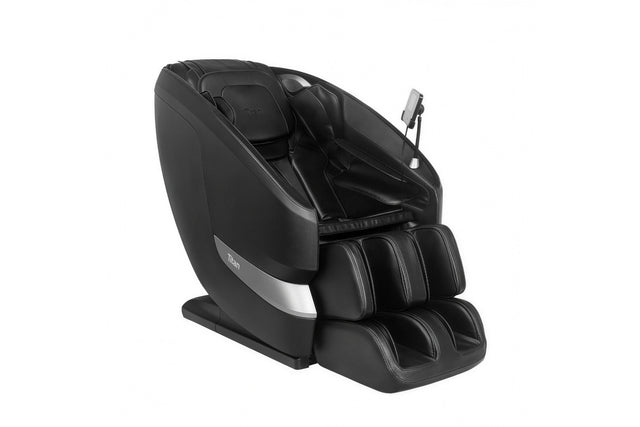
Massage Capability: Depth, Coverage, and Precision
When shoppers say they want a "real massage," they're usually describing three things: roller strength, coverage, and intelligent targeting. This is where the massage chair vs massage recliner difference is most noticeable.
1) Mechanism: rollers versus vibration
A full massage chair typically uses a roller carriage that travels along a track and can knead, tap, roll, and press with noticeably more structure and pressure. Many lifestyle massage recliners use simpler massage methods (often vibration or limited mechanisms) that feel more like gentle stimulation than deep tissue work.
Practical expectation: if you regularly carry tension in the mid-back, lumbar, glutes, or shoulders and want the sensation of hands working specific points, a full massage chair is more likely to deliver that experience.
2) Track design: how far the massage can travel
Full massage chairs often use defined track systems (S-Track, L-Track, or SL-Track) to guide roller movement along the spine and beyond. Track choice affects whether the massage stays mostly along your back or extends further down toward the seat area.
If you want to go deeper on how tracks work, see S-Track vs L-Track vs SL-Track Massage Chairs.
3) Intensity and control: who needs more adjustability?
Full massage chairs are usually built around repeatable programs (with multiple techniques and intensity steps), and many offer adjustable width, speed, zones, and position. Lifestyle recliners tend to keep controls simpler—ideal if you want something effortless, but limiting if you need targeted precision.
For a deeper breakdown of how "dimension" affects intensity and realism, read 2D vs 3D vs 4D Massage Chairs: What's the Difference?.
4) Airbags, compression, and "full-body" feel
Many full massage chairs incorporate airbag compression around areas like shoulders, arms, hips, calves, and feet. This helps create a more complete, enveloping session. Lifestyle recliners may include lighter air compression or focus on simpler back-and-seat comfort features.
If you're comparing the "hug" or compression sensation, see Airbag Massage vs Roller Massage: What Each One Actually Does.
Footprint & Space Planning (What Actually Fits)
For many homes, the decision isn't "which is better?"—it's what fits comfortably without dominating the room. In a massage chair vs massage recliner comparison, footprint and clearance are often the deciding factors.
Full massage chair: plan for clearance and presence
Full massage chairs typically sit taller and deeper than standard lounge seating. They may also require extra space behind the chair to recline (unless they use space-saving glide systems). Beyond measurements, they also have a stronger "wellness equipment" visual presence.
Lifestyle recliner: easier placement in shared spaces
A lifestyle massage recliner is designed to live where you already relax—family room, reading nook, or open-concept living area. It generally feels more like a normal furniture footprint, which helps it integrate without rearranging the entire layout.
To plan confidently, use our space-focused guide: How Much Space Does a Massage Chair Need?
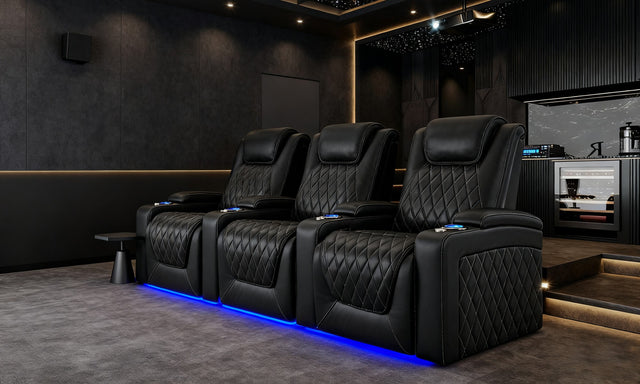
Aesthetics & Everyday Living-Room Integration
This is the "lifestyle" part that gets overlooked. A chair can be incredibly capable, but if it doesn't match the room—or feels out of place—people use it less.
Why lifestyle recliners often win on design
Lifestyle massage recliners typically prioritize upholstery, silhouette, and furniture-like detailing. The goal is calm, premium seating first, with wellness features integrated discreetly.
Why full massage chairs can still work beautifully
Many modern massage chairs have cleaner lines than older models, but they're still more visually substantial. If you have a dedicated wellness corner, home office, or a room where function leads, this is often a non-issue—and the benefit is a more complete massage experience.
If your priority is "bring the reset home" without changing the character of the space, a lifestyle recliner can be the most natural fit within the Wellness Series collection.
Comfort & Use Frequency: Who Uses It More?
Here's a simple truth: the best chair is the one you'll actually use.
Full massage chair: better for structured sessions
Full massage chairs tend to shine when you treat them like a routine—10 to 30 minutes to decompress after work, post-workout recovery, or a longer evening wind-down. Features like Zero Gravity positioning can make sessions feel more weightless and restorative.
If you want to understand why that recline position feels different, see What Is Zero Gravity in a Massage Chair?.
Lifestyle recliner: better for "all-day" living
Lifestyle massage recliners often get used more frequently because they function as your go-to seat—watching a movie, reading, or simply relaxing. The massage may be lighter, but the convenience and comfort can lead to more consistent daily use.
Cost, Longevity, and Value Over Time
Pricing varies widely by brand and build, but the value question is consistent: are you paying for massage performance or furniture integration?
Full massage chair value is tied to performance
If your goal is stronger massage, broader coverage, and more programs, a full massage chair often provides better "cost per session" over time—especially if you use it several times a week.
Lifestyle recliner value is tied to daily enjoyment
A lifestyle recliner earns its value through everyday seating comfort plus stress-relief features. If it becomes your favorite chair in the house, it's delivering value even on days you don't turn the massage on.
Not sure which features are worth paying for? Use Massage Chair Buying Guide: Which Features Actually Matter? and How to Choose a Massage Chair for Your Home to align features with how you'll use them.
Which One Should You Choose? (Decision Checklist)
If you're on the fence, use this quick checklist to choose the right category with confidence.
Choose a full massage chair if you want:
• Deeper, more "hands-on" roller massage with better precision
• More body coverage (and a more complete full-body session)
• Guided programs you can repeat as part of a routine
• Stronger interest in features like tracks, airbags, and advanced adjustability
• A dedicated wellness zone at home (or you don't mind a larger visual footprint)
Choose a lifestyle massage recliner if you want:
• Living-room-first design that blends in like premium lounge seating
• Everyday comfort with light massage for decompression
• Simpler controls and an easy "relax now" experience
• A smaller or more flexible footprint for shared spaces
• A chair you'll sit in constantly—even without massage running
If you're building a home wellness routine in Canada and want seating that matches your space and expectations, explore the Valencia Wellness Series to compare options designed for both comfort and calm.
Frequently Asked Questions
Is a lifestyle massage recliner the same as a massage chair?
No. A lifestyle massage recliner is primarily a high-comfort recliner with added massage features, while a full massage chair is engineered around massage performance first (roller systems, track travel, programs, and often air compression).
Which feels more like a real massage: a massage chair or a massage recliner?
A full massage chair usually feels more like a real massage because it relies on rollers moving along a defined track with adjustable techniques and intensity. A massage recliner often feels gentler and less targeted, which can be ideal for relaxation but not always for deeper muscle work.
Do full massage chairs need a lot of space?
Many do require more space than a standard recliner, especially for reclining clearance and overall depth. Measure carefully and review How Much Space Does a Massage Chair Need? before you buy.
Is Zero Gravity only available on full massage chairs?
Zero Gravity positioning is most common on full massage chairs because it's designed to enhance massage performance by shifting weight and reducing pressure along the spine. Some recliners may offer a similar recline feel, but it's typically not as integrated with massage programming.
What should I prioritize first: features or how it looks in the room?
Start with your massage expectations. If you want stronger, more targeted relief, prioritize mechanism and coverage first. If your goal is everyday living-room integration and frequent lounging, prioritize comfort, upholstery, and style—then choose the best massage features available within that category.


