

In this article: A complete home spa room layout blueprint—sauna zoning, massage recliner placement, lighting layers, outlet planning, storage, and easy-clean pathways for a polished, hotel-like feel.
- Start With Zones: Sauna, Seating, and Circulation
- Massage Recliner Placement: Clearances and Comfort
- Sauna Placement: Heat, Ventilation, and Safe Spacing
- Lighting Layers for a Calm, Hotel-Like Mood
- Electrical Planning: Outlets, Dedicated Circuits, and Hidden Cords
- Storage: Towels, Robes, Products, and Cleaning Tools
- Easy-Clean Materials and Pathways
- Frequently Asked Questions
A great home spa room layout balances three things: safe sauna zoning, comfortable recliner placement, and practical infrastructure (lighting, power, and storage) so the room feels effortless to use. The goal is a calm, uncluttered space where you can move from heat therapy to seated recovery without tight walkways, exposed cords, or nowhere to put a towel.

Below is a complete planning blueprint you can use whether you’re building a dedicated wellness room, upgrading a basement, or carving out a recovery corner. You’ll get clear spacing guidelines, lighting and outlet planning ideas, and storage solutions that keep the room looking polished day after day.
Quick Takeaways
• Plan your home spa room layout in three zones: heat (sauna), recovery seating (recliner), and circulation/storage.
• For a massage recliner, prioritize recline clearance behind the chair, plus a clean walkway that doesn’t cross in front of the footrest.
• Give the sauna breathing room: heat management, ventilation, and safe spacing matter as much as “where it fits.”
• Use layered lighting: ambient + task + accent, all on dimmers, with warmer color temperatures to support relaxation.
• Electrical planning should be intentional: dedicated circuits where required, outlets placed for cord-free sightlines, and protected receptacles in moisture-prone areas.
1. Start With Zones: Sauna, Seating, and Circulation
Before you choose exact measurements, decide how the room should “flow.” A functional home spa room layout typically works best as a loop:


• Zone 1: Heat (infrared sauna or traditional sauna)
• Zone 2: Recovery seating (massage recliner or massage chair)
• Zone 3: Support (storage, towel hooks, water, aromatherapy, cleaning supplies)
A simple layout formula that feels luxurious
Use this order to create a hotel-like experience:
• Entry → drop zone (shoes, robe, towel)
• Sauna → short, unobstructed path
• Cooling/recovery seat → slightly separated (visually calmer)
• Storage → tucked away, close to where items are used
Recommended minimum walkway planning
For comfort and safety, plan walkways so you’re not squeezing past hot surfaces or moving around an extended footrest.
| Area | Comfortable target | Why it matters |
|---|---|---|
| Main walkway | 30–36 in | Reduces bumping into furniture and keeps the space feeling open |
| In front of recliner/footrest path | Keep clear | Prevents tripping and makes the chair easy to enter/exit |
| Sauna approach | 30+ in | Safer entry/exit and better ventilation around the unit |
Tip: If your room is tight, keep storage vertical (wall cabinets/shelves) so floor circulation stays clean.
2. Massage Recliner Placement: Clearances and Comfort
In a home spa room layout, your massage recliner should feel like the “recovery lounge”—quiet, grounded, and easy to use. Placement is mostly about clearance and orientation.

Start with the recline path, not the footprint
Many owners measure only the chair base, then discover they can’t fully recline or they block the walkway. Plan for:
• Rear clearance for reclining and headrest movement
• Front clearance for footrest extension and safe entry
• Side clearance so you can access controls, charge a device, or place a side table
Best orientation for a calm, premium feel
• Angle the chair slightly toward a focal point (a dimmable wall sconce, plant, art, or electric fireplace), not directly facing storage or equipment.
• Keep cords out of sight by placing an outlet behind the chair or along the side where it won’t cross a walkway.
• Use a small “landing surface” within reach (a slim drink table) for water, remote, or towel.
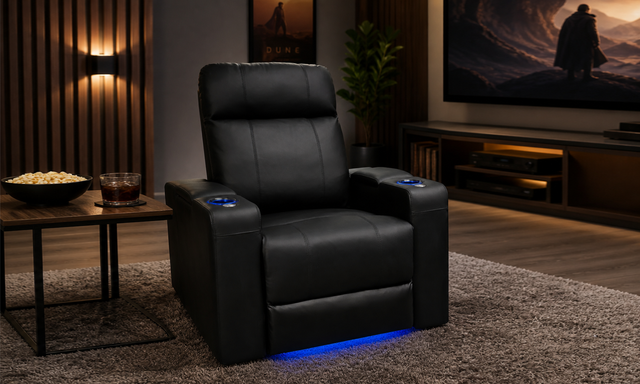
If you’re exploring seating designed for wellness spaces, consider starting with the Valencia collection
3. Sauna Placement: Heat, Ventilation, and Safe Spacing
A sauna is the anchor of most home spa room layouts, but it needs more than a corner that “fits.” Think about heat, airflow, door swing, and your cooldown path.
Choose a location with predictable airflow
Even infrared saunas benefit from a room that can manage warmth. When possible:
- Place the sauna where it won’t overheat adjacent spaces (like a small closet or sealed alcove).
- Avoid putting it directly under low shelves or delicate finishes that could warm over time.
- Keep the path from sauna to seating short so cooldown feels natural.
Door swing and entry space
Plan the sauna door so it opens without hitting the chair, a hamper, or a wall-mounted hook. A clean entry zone also helps you step out safely when you’re warm and relaxed.
Flooring and moisture habits
Even if you’re not dealing with steam, you’ll have towels, water, and post-session cleanup. Choose flooring that tolerates routine wiping and doesn’t get slippery when damp (more on materials below).
For general safety guidance on sauna use and heat exposure, review information from the CDC/NIOSH heat stress resources and follow your sauna manufacturer’s installation instructions.
4. Lighting Layers for a Calm, Hotel-Like Mood
Lighting is the fastest way to make a home spa room layout feel intentional. Aim for layered light that supports two modes: setup/cleaning and relaxation.
Layer 1: Ambient lighting (the base)
• Use overhead lighting on a dimmer.
• Choose warm-white color temperatures for a softer feel (often 2700K–3000K works well in relaxation spaces).
Layer 2: Task lighting (small, focused, practical)
- A wall sconce or small lamp near the seating area helps with reading controls, hydration, or a quick stretch.
- Consider lighting near storage so towels and products are easy to find without turning the room bright.
Layer 3: Accent lighting (the “spa” effect)
- LED strips behind a floating shelf or under a bench can add depth without glare.
- A single highlight—art light, plant uplight, or niche lighting—creates a focal point that makes the room feel designed.
For guidance on residential lighting quality and flicker considerations, you can reference the U.S. Department of Energy’s lighting resources and choose high-quality dimmable fixtures compatible with your bulbs.
5. Electrical Planning: Outlets, Dedicated Circuits, and Hidden Cords
Electrical planning is where a comfortable room becomes an easy-to-live-with room. In a home spa room layout, your priorities are safety, reliable power, and a clean visual line (no cords crossing paths).
Plan outlets based on where cords should disappear
• Behind seating: Place an outlet so the recliner/massage chair can plug in without cords running along the floor.
• Near a side table: Add a convenient charging outlet (phone, tablet) so devices don’t end up on the floor.
• By the sauna: Follow the sauna manufacturer’s electrical requirements and place power access accordingly—this may involve a dedicated circuit.
Dedicated circuits and code considerations
Many sauna installations and some wellness equipment can require specific electrical capacity. Work with a licensed electrician and follow local code requirements. In the U.S., residential electrical standards are generally governed by the National Electrical Code (NEC); you can learn more through the NFPA’s NEC overview.
Moisture-aware details
- Use appropriate receptacles where moisture is possible (your electrician can advise on GFCI protection and placement).
- Keep cords away from sauna doors, towel zones, and any area where you might drip water after a session.
6. Storage: Towels, Robes, Products, and Cleaning Tools
Storage is what keeps your home spa room layout looking calm even when you use it daily. The most effective setup is “open access + hidden bulk.”
What to store where (a practical blueprint)
| Storage type | Best for | Placement tip |
|---|---|---|
| Wall hooks (2–4) | Robes, towels in use | Near sauna exit and near the room entry (two-hook system works well) |
| Closed cabinet | Extra towels, spare linens, bulk supplies | Keep it away from the “visual focal wall” so the room stays serene |
| Open shelf or tray | Water, timer, aromatherapy | Next to seating, but limit items so it doesn’t feel cluttered |
| Hamper with lid | Used towels | Tuck near sauna but off the main walkway |
Keep the seating zone visually quiet
The chair area should read like a lounge, not a utility corner. If you’re styling around a premium recliner, consider a simple trio:
- One small side table
- One soft throw or folded towel
- One accent element (plant, art, or sculptural light)
7. Easy-Clean Materials and Pathways
A home spa room layout should feel restful, but it also has to handle heat, sweat, and routine wipe-downs. Choose finishes that support that reality.
Flooring choices that hold up
• Luxury vinyl plank (LVP): Comfortable underfoot and easy to clean for many homes.
• Porcelain tile: Durable and moisture-tolerant; add a washable runner for warmth.
• Sealed concrete: Popular in basements; pair with soft textiles to prevent the room from feeling cold.
Pathways you can maintain in minutes
• Keep a clear “cleaning lane” from entry to sauna to seating (no tight zig-zags around furniture).
• Use a lidded hamper and closed cabinetry so visual clutter doesn’t build up.
• Choose a chair placement that allows you to vacuum around it without moving it every time.
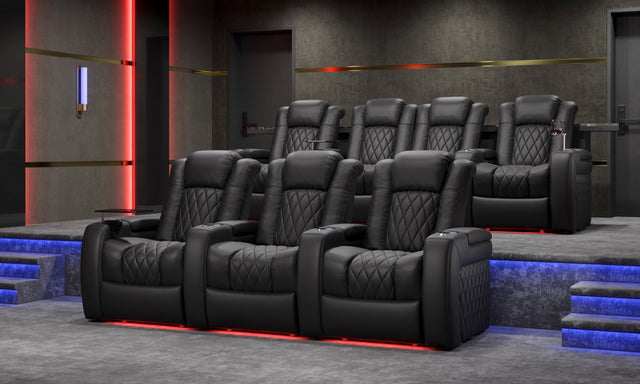
When you’re ready to align comfort seating with the rest of your wellness space
Frequently Asked Questions
What is the best home spa room layout if I have both a sauna and a massage recliner?
The best home spa room layout places the sauna and recliner in two distinct zones with a clear, unobstructed walkway between them. Keep storage close to the sauna exit (towels/robes) and keep cords hidden so the seating zone feels like a calm lounge.
How much space do I need around a massage recliner in a wellness room?
You need enough space for the chair’s full recline and footrest extension, plus a safe walkway that doesn’t cross in front of the chair. Because recline mechanisms vary, measure your specific model’s fully reclined length and plan the room so walls, doors, and storage don’t interfere.
Should my sauna and recliner be next to each other?
They can be near each other, but they shouldn’t feel crowded. Leave enough separation for airflow and comfort, and avoid positioning the recliner where it receives direct heat or blocks the sauna door swing. A short, clear path between zones typically feels best.
What lighting works best for a spa-like wellness room?
Layered, dimmable lighting works best: an ambient dimmable ceiling light, a small task light near seating, and a soft accent light for atmosphere. Warmer color temperatures often feel more relaxing than cool-white lighting.
Do I need a dedicated circuit for an infrared sauna?
Some infrared saunas may require a dedicated circuit depending on their power draw and your home’s existing electrical load. Follow the manufacturer’s installation requirements and confirm the plan with a licensed electrician.
What storage should I include in a home spa room?
Include easy-access hooks for robes and towels, a closed cabinet for bulk supplies, a lidded hamper for used towels, and a small surface near the chair for water and essentials. This combination keeps the room functional without looking busy.


