

In this article: Measure first, buy with confidence—use this massage chair clearance guide to confirm recline depth, wall distance, walkways, and door swing so your new chair fits beautifully on day one.
- What “Massage Chair Clearance” Really Means (And Why It Matters)
- Step-by-Step: How to Measure Your Room for a Massage Chair
- Recline Space & Depth: How Much Room You Need Behind the Chair
- Walkways & Traffic Paths: Keeping Your Room Comfortable to Use
- Wall Distance & “Wall-Hugger” Designs: What to Know
- Door Swing, Hallways, and Delivery Access: Avoiding Install-Day Surprises
- Install-Day Checklist for a Smooth Setup
- Frequently Asked Questions
Massage chair clearance is the total space you need for recline depth, safe walkways, wall distance (including baseboards), and door swing—plus enough access to deliver and position the chair without damage. If you’re shopping a massage chair clearance deal, measuring first is the simplest way to protect your space, your comfort, and your purchase confidence.

Premium massage chairs feel like a personal sanctuary, but they’re also substantial pieces of furniture. The most common mistake is ordering before confirming the chair’s reclined footprint and how it interacts with doors, hallways, and daily traffic paths. This guide is measurement-first and practical: you’ll learn how to measure, what clearances to plan for, and how to build a layout that feels effortless—every day.
Quick Takeaways
• Measure two footprints: the chair upright and fully reclined (backrest + legrest extended).
• Plan real walkways: aim for 30-36 inches for main paths; 24 inches can work for low-traffic side access.
• Don’t guess wall clearance: include baseboards, outlets, and any rear “overhang” when reclined.
• Door swing is a hidden deal-breaker: confirm the door arc won’t hit the chair in any position.
• Delivery access matters as much as room fit: measure your tightest doorway/hall turn and compare to boxed dimensions.
1. What “Massage Chair Clearance” Really Means (And Why It Matters)
When buyers search massage chair clearance, they’re often looking for two things at once: the right price and the right fit. Clearance, in a spatial sense, is about ensuring the chair can:


• Recline fully without striking a wall, window sill, console table, or décor.
• Allow comfortable movement around the chair—especially if the room is shared with a TV, seating, or a sauna.
• Coexist with doors that swing inward (or doors that need to open fully for accessibility and flow).
• Be delivered and placed without forcing the chair through tight turns or damaging trim, flooring, or the chair itself.
Done well, clearance planning makes the chair feel “built in” to your home. Done poorly, even an exceptional chair can feel crowded, blocked, or stressful to use.
2. Step-by-Step: How to Measure Your Room for a Massage Chair
Tools you’ll want
- Tape measure (25 feet is ideal)
- Painters tape (to mark the chair footprint)
- Paper or phone notes (simple sketch is enough)
- Optional: a laser measure for speed and accuracy
Step 1: Identify the best wall (or zone) for the chair
Most people place a massage chair against a wall or near a corner to keep the room open. Choose a wall that supports your routine: close to power, away from door conflicts, and aligned with your preferred view (TV, window, or a quiet corner).

Step 2: Measure the “usable” room dimensions (not just wall-to-wall)
Measure length and width, then subtract obstacles that affect fit:
-
Baseboards and trim depth
-
Radiators or HVAC registers
-
Window ledges and low sills
-
Built-in shelving or furniture that won’t move
Step 3: Mark the chair footprint on the floor
Use painters tape to create a rectangle for:
• Upright footprint (how it sits when not in use)
• Fully reclined footprint (your “must-fit” size)
If you don’t have exact dimensions yet, tape a conservative “planning box” (slightly larger than you think you need). It’s easier to shrink later than to discover you’re short on space after delivery.
Step 4: Measure traffic paths and door swing arcs
Stand where you’ll walk most often—into the room, toward a sofa, to a closet, to a sauna—and confirm the taped footprint doesn’t pinch movement. Then measure your door swing: open the door fully and note where it travels.
3. Recline Space & Depth: How Much Room You Need Behind the Chair
The number one clearance issue is recline depth: how far the chair extends when the backrest reclines and the legrest lifts. Even when a chair sits close to a wall upright, the reclined position can move the body of the chair forward or backward depending on the mechanism.
What to measure for recline space
• Total depth when fully reclined (wall to front edge at maximum extension)
• Rear clearance at the wall (space needed behind the chair for safe movement and airflow)
• Front clearance so the legrest doesn’t collide with a coffee table, ottoman, or cabinet
A practical planning rule (when you’re comparing models)
If you’re shopping a massage chair clearance offer and comparing chairs with different mechanisms, plan for:
• At least 6 inches behind the chair for minor wall irregularities, baseboards, and a “no-scrape” buffer.
• At least 24 inches in front of the chair for comfortable entry/exit (more if the chair sits across from a walkway).
These are not model-specific specs—think of them as a safe planning buffer. Always confirm the exact upright and reclined dimensions on the product page or spec sheet for the chair you choose.
Where buyers get surprised
• Legrest extension: the front footprint grows more than expected.
• Head/shoulder height when reclined: the chair may visually “rise” into window treatments or art placement zones.
• Sliding recline mechanisms: some chairs move forward as they recline, changing where clearance is needed.
4. Walkways & Traffic Paths: Keeping Your Room Comfortable to Use
A massage chair should feel calming, not like an obstacle course. Walkway clearance matters as much as recline space because it determines whether the room functions normally when the chair is in daily use.
Recommended walkway widths (real-world guidance)
| Path type | Comfortable clearance | Minimum workable clearance |
|---|---|---|
| Main walkway (daily traffic) | 30-36 inches | 28 inches (tight) |
| Side access (occasional) | 24-30 inches | 24 inches |
| Between chair and coffee table/console | 18-24 inches | 16-18 inches (tight) |
Note: These are practical interior-planning targets used across many home layouts. If you need accessibility-friendly clearances, plan wider paths where possible.
Two smart layout choices for tighter rooms
• Angle the chair slightly rather than perfectly parallel to the wall. This can open a natural walkway line while keeping the recline footprint safe.
• Place a slim console behind or beside the chair only if the chair’s reclined movement won’t contact it—and only if you still maintain walkway width.
5. Wall Distance & “Wall-Hugger” Designs: What to Know
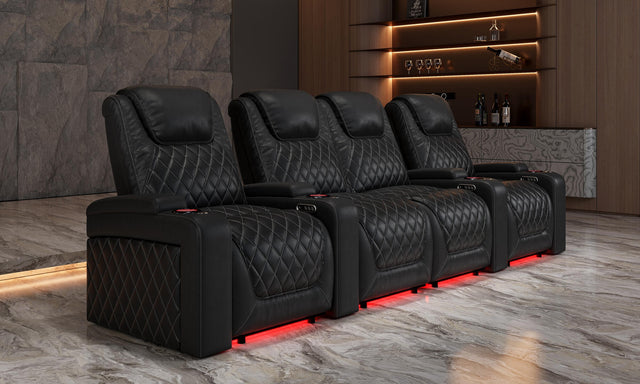
“Wall-hugger” or “space-saving” recline
Measure wall distance the right way
• Measure from the wall surface to the chair’s back including baseboard depth.
• Check for outlets, cable plates, and protrusions that could be pressed by the chair frame.
• Leave a small buffer so the chair can recline without rubbing or compressing cords.
Plan for ventilation and cleaning
A tight fit can look refined, but you still want enough space to:
-
Vacuum behind and around the chair
-
Route a power cord without pinching
-
Prevent scuffs on walls and trim over time
Where to browse chairs designed for home layouts
If you’re planning a wellness-focused room and want models that feel at home in a considered layout, explore the Valencia Wellness Series collection for chairs designed to bring restorative comfort into everyday spaces.
6. Door Swing, Hallways, and Delivery Access: Avoiding Install-Day Surprises
Even if the chair fits perfectly in the room, it still has to get there. Door swing and delivery access are the most overlooked parts of a massage chair clearance plan—especially in bedrooms, basements, and multi-use rooms.
Door swing: confirm the arc won’t collide
Open the door fully and measure from the hinge side to the outermost edge of the door as it swings. Then compare that arc to where the chair will sit upright and reclined.
• If the door will hit the chair, consider moving the chair, changing the door stop, or using a different wall.
• If it’s a closet door, consider whether you need full access daily.
Hallways and tight turns
Measure the narrowest point along the path from the entry to the room:
-
Front door and interior doors (width and height)
-
Hallway width
-
Stairwell width and landing size (if applicable)
-
Any tight turn where a large box has to pivot
Compare those measurements to the chair’s boxed dimensions (not just assembled chair dimensions). If you’re unsure, it’s worth asking customer support for packaging measurements before finalizing a massage chair clearance purchase.
Why this matters for basements
Basements often have the most complex access: stair turns, lower ceilings, narrower doors, and tighter landings. Measuring your access route is the difference between a smooth setup and a stressful install day.
7. Install-Day Checklist for a Smooth Setup
Use this checklist the day before delivery to keep everything calm and efficient.
• Clear the path: move rugs, plants, side tables, and décor along the delivery route.
• Protect surfaces: place cardboard or a runner on delicate flooring.
• Confirm power: ensure an outlet is within reach without stretching or pinching the cord.
• Tape the final footprint: mark the chair position (upright) and confirm recline clearance again.
• Check door swing: open doors fully and verify no contact points.
• Plan the “comfort zone”: keep a small side surface nearby for a remote, water, or reading light.
Once your measurements are confirmed, shopping a massage chair clearance deal
Frequently Asked Questions
How much space do I need behind a massage chair?
Most rooms benefit from leaving at least 6 inches behind the chair as a practical buffer for baseboards, outlets, and avoiding scuffs. The exact wall distance depends on the chair’s recline mechanism and specifications, so always confirm the model’s required clearance.
How wide should a walkway be next to a massage chair?
Aim for 30-36 inches for a main walkway and about 24-30 inches for side access. If the space is a low-traffic area, 24 inches can work, but it may feel tight if multiple people use the room.
Will a door hit my massage chair when it reclines?
It can, especially in bedrooms and smaller wellness rooms. Measure the door swing arc with the door fully open and compare it to the chair footprint in both upright and reclined positions. If there’s any overlap, adjust placement before ordering.
What measurements should I check before buying a massage chair on clearance?
Check the upright dimensions, fully reclined dimensions, and the boxed dimensions for delivery access. Clearance deals are an excellent value, but measuring first helps ensure the chair fits your room and the delivery route without surprises.
Do wall-hugger massage chairs really save space?
Wall-hugger designs can reduce the required distance from the wall compared to traditional recline mechanisms, but they don’t eliminate the need for clearance. You’ll still need buffer space for trim, outlets, cords, and safe recline movement.


