

In this article: Airbag massage uses rhythmic compression to ease pressure in areas rollers can't reach (like calves, feet, arms, and shoulders), while roller massage focuses on kneading and pressure along the spine and back muscles. Here's how each feels, what each is best for, and what to prioritize when more than one person will use the chair.
- Airbag vs Roller Massage Chair: The Core Difference
- What Airbag Massage Actually Does (And How It Feels)
- What Roller Massage Actually Does (And How It Feels)
- Airbag vs Roller Massage: Side-by-Side Comparison
- Best-Use Scenarios: Which One You'll Notice Most
- What to Prioritize If You Share the Chair
- How to Choose the Right Feel for Your Body & Routine
- Frequently Asked Questions
An airbag vs roller massage chair comparison comes down to sensation and coverage: airbags deliver gentle-to-firm compression around limbs and joints, while rollers create kneading and pressure along the back, especially around the spine and shoulder blades. Most premium chairs combine both, but the balance between them will shape how the chair feels day to day.

If your main goal is to unwind tight calves, feet, arms, or shoulders—airbags can be the feature you feel most. If your focus is deep, targeted work through the back and glutes—roller massage is the foundation. The best choice is the one that matches the tension you carry and the way you want to reset at home.
Quick Takeaways
• Airbag massage = compression therapy that can help reduce pressure and fatigue in calves, feet, arms, hips, and shoulders.
• Roller massage = kneading and pressure that targets back muscles along a track (often from neck to glutes or hamstrings).
• Rollers do "precision." They're best for the muscles beside the spine and around the shoulder blades.
• Airbags do "coverage." They wrap areas rollers can't, which many people find calming and supportive.
• For shared users, prioritize adjustability: roller intensity, airbag intensity, body scan, and easy-to-save programs.
1. Airbag vs Roller Massage Chair: The Core Difference
 It helps to think of these two mechanisms as different massage "languages."
• Airbag massage uses inflatable chambers that rhythmically fill and release to create a hugging, squeezing, or pulsing compression.
• Roller massage uses moving nodes (rollers) that travel along your back (and sometimes glutes/hamstrings) to simulate hands performing kneading, tapping, and pressure.
Neither is "better" in isolation. Airbags tend to feel more soothing and enveloping; rollers tend to feel more focused and corrective. For many buyers, the ideal experience is a chair that blends strong roller work with well-placed airbag zones—especially in the calves and feet.
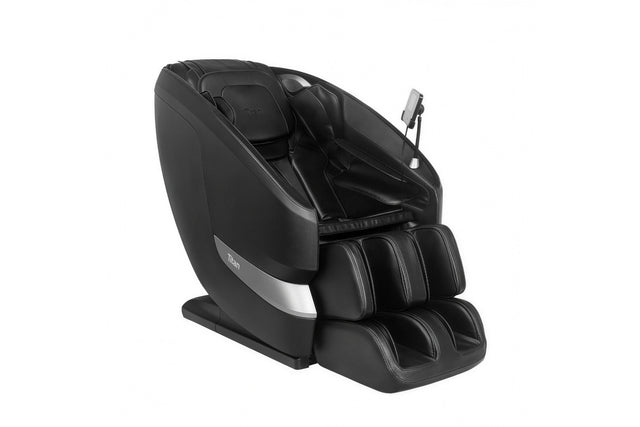
2. What Airbag Massage Actually Does (And How It Feels)
Airbags create compression rather than a point-pressure massage. They're designed to gently compress tissue, encourage a sense of circulation and ease, and calm the nervous system through rhythmic pressure.
The sensation: "wrapped," "hugged," and "squeezed"
When airbag zones activate, you'll typically feel a gradual squeeze, a short hold, then a release. In premium chairs, the timing and intensity are tuned so it feels less like a blood pressure cuff and more like a controlled, comforting embrace.
Where airbags matter most
• Feet and calves: One of the most noticeable benefits. Compression here can feel immediately relieving after long periods of standing, travel, or workouts.
• Arms and hands: Helpful for people who type, use tools, or carry tension in forearms.
• Shoulders: Shoulder airbags can gently pull the shoulders into place and reduce that "hunched" feeling.
• Hips and thighs: Adds a stabilizing, relaxing pressure that complements roller work through the glutes.
Who usually loves airbag massage most
• Anyone who wants a calmer, less intense massage experience.
• People who feel fatigue in legs and feet more than deep back knots.
• Shared households where one person prefers gentle sessions and the other wants stronger work—because airbag intensity is often easy to dial up or down.
Comfort note: If you're sensitive to compression (for example, around shoulders or calves), choose a chair with multiple air intensity levels and the ability to turn specific air zones on or off.
3. What Roller Massage Actually Does (And How It Feels)
Rollers are the "therapeutic engine" of most massage chairs. They apply targeted pressure along the back using patterns like kneading, tapping, shiatsu-style pressure, and rolling. This is where you feel the most direct work on tight back muscles.
The sensation: "kneading," "pressing," and "working knots"
Roller massage can range from gentle and gliding to deep and specific. Many chairs also include a body scan that helps place the roller path relative to your shoulders and spine, which can make the experience feel more personalized rather than one-size-fits-all.
Where rollers are strongest
• Neck and upper back: Great for desk tension and shoulder blade tightness.
• Mid-back: Helpful for general stiffness and posture fatigue.
• Lower back: Where many people want deeper kneading and pressure.
• Glutes and upper hamstrings (track-dependent): If the chair uses a longer track design, rollers can travel beyond the lower back for broader coverage.
2D vs 3D vs 4D matters most for rollers
If you're comparing an airbag vs roller massage chair, roller "depth" technology changes the feel dramatically:
• 2D rollers move up/down and left/right—good for basic kneading and rolling.
• 3D rollers add in/out depth—better for pressure control and body contouring.
• 4D rollers add speed and rhythm variation—often feels more human-like and less mechanical.
If deep back relief is your priority, a more advanced roller mechanism is usually where you'll notice the difference.
4. Airbag vs Roller Massage: Side-by-Side Comparison
| Feature | Airbag Massage | Roller Massage |
|---|---|---|
| Main action | Compression (inflate/deflate) | Kneading/pressure (moving rollers) |
| Best for | Limbs & joints: calves, feet, arms, shoulders | Back & glutes: neck to lower back (and beyond, by track) |
| Typical feel | Enveloping, soothing, stabilizing | Targeted, deep, "working" muscle tension |
| Precision | Medium (zone-based) | High (point pressure along back) |
| Great for shared users | Yes—easy to soften for sensitive users | Yes—if roller intensity and position are adjustable |
| Common concerns | Too tight if intensity is high; fit varies by body size | Too intense if depth is strong; shoulder placement must be accurate |
5. Best-Use Scenarios: Which One You'll Notice Most
If your legs feel heavy or tired
Choose stronger airbag coverage (and good foot/calf design). Many people underestimate how restorative calf and foot compression can feel after a long day.
If you carry stress between your shoulder blades
Prioritize roller quality and body scan accuracy. This is where better roller control feels more "hands-on" and less generic.
If you want a relaxing, bedtime-friendly session
Airbags tend to feel calmer, especially when paired with gentle roller rolling rather than deep kneading. Look for adjustable intensity so you can keep it soothing at night.
If you want a "deep tissue" style experience
Rollers matter most—especially 3D/4D depth control. Airbags can support the experience, but they won't replace targeted roller pressure through the back.
If you're buying for recovery and everyday maintenance
A blend is ideal: rollers for back and glutes plus airbags for calves, feet, and arms. That combination tends to feel the most complete and balanced over time.
6. What to Prioritize If You Share the Chair
Shared use is where the "spec sheet" matters less than everyday adjustability. Different bodies and preferences can make the same chair feel completely different.
Roller intensity range (and easy control)
Look for multiple roller intensity levels, plus the ability to reduce intensity for sensitive users. A chair that can go gentle and deep is more likely to satisfy everyone.
Airbag intensity and zone control
Ideally, you can adjust airbags separately and turn zones off (for example, shoulders or arms). This is especially important if one person dislikes compression.
Body scan and shoulder position adjustment
Rollers feel best when they track your back accurately. Body scanning helps, and manual shoulder height adjustment can make a big difference for taller or shorter users.
User memory or quick presets
In a shared household, saved programs keep the chair effortless. One person can keep a relaxing routine; another can save a deeper back-focused session.
Fit and comfort for different frames
Compression zones (especially shoulders and calves) can fit differently depending on height and build. If possible, choose a chair designed for broad adjustability and confirm recommended user height ranges.
If you're exploring premium options for shared use, you can browse Valencia's Wellness Series massage chairs to compare styles and features that support a more personalized experience at home.
7. How to Choose the Right Feel for Your Body & Routine
Use these simple decision cues to match mechanisms to real needs.
Choose a chair with stronger airbag emphasis if:
• You feel tension primarily in calves, feet, or arms.
• You prefer a gentle, calming massage you can use often.
• You want a massage that feels enveloping rather than pinpointed.
Choose a chair with stronger roller emphasis if:
• Your main issue is back tightness, especially around the shoulder blades or lower back.
• You want deeper pressure and a more "therapeutic" feel.
• You care about advanced roller tech (3D/4D) and track coverage.
Choose a balanced chair (airbags + rollers) if:
• You want the most complete full-body experience.
• Multiple people will use the chair and preferences vary.
• You want both precision on the back and comforting compression for limbs.
In an airbag vs roller massage chair decision, rollers define the depth and precision of back relief, while airbags define the sense of full-body coverage and relaxation. The best chair is the one that matches where you hold tension—and how you want to feel when the session ends.
Frequently Asked Questions
Is airbag massage better than roller massage?
Neither is universally better. Airbag massage is often better for soothing compression in calves, feet, arms, and shoulders, while roller massage is typically better for targeted kneading and pressure in the back. Most premium chairs combine both for a more complete experience—so the real question is which mechanism you'll rely on most for your specific tension patterns.
Can airbags replace rollers for back tension?
Airbags can feel supportive around the torso and hips, but they don't replace roller work for targeted back muscle relief. Airbags compress tissue broadly; rollers apply point pressure along specific muscle lines. If your main goal is deeper back tension relief, prioritize roller quality, adjustability, and accurate body scan placement.
Why do some roller massages feel too intense?
Roller massage can feel intense when the depth setting is high, the chair's body scan places rollers slightly off-target, or the user prefers lighter pressure. Look for multiple intensity levels, body scan, and easy controls so you can soften the session when needed. Starting sessions at a lower intensity and adjusting upward is generally the safest approach.
Are airbags safe for everyone?
Airbags are designed for comfort, but compression isn't right for every situation. If you have circulation concerns, recent injuries, or you're pregnant, it's wise to consult a qualified clinician before use and choose a chair with adjustable intensity and zone control. The ability to turn off specific air zones is a valuable safety feature for sensitive users.
What should I look for in an airbag vs roller massage chair for a couple?
For shared users, prioritize wide adjustability: roller intensity range, airbag intensity and zone control, body scan accuracy, and user memory presets. These features help each person dial in a comfortable session without constant reconfiguration. A body scan that re-runs for each user is especially useful in couples with significantly different heights.
Do I need both airbag and roller massage in a premium chair?
If you want a full-body experience, yes—having both is typically the most satisfying long-term. Rollers handle precision work through the back, while airbags add calming coverage for limbs and joints that rollers can't reach. Chairs that balance both mechanisms well tend to feel more complete and are easier to adapt for different moods, sessions, and users.
How many airbags is "enough" in a massage chair?
There's no universal number—what matters more than quantity is coverage zone placement and how well each zone can be adjusted or turned off. A chair with well-positioned airbags covering shoulders, arms, hips, calves, and feet—each with adjustable intensity—will usually feel more satisfying than a chair with many airbags but poor zone control.


