

In this article: Zero gravity positioning is a recline angle designed to distribute body weight more evenly—often creating a lighter, more relaxed feel and a more “floating” massage experience.
- What “Zero Gravity” Means in a Massage Chair
- How Zero Gravity Positioning Feels (and What It May Help With)
- One-Stage vs Two-Stage Zero Gravity: How to Compare Recline Levels
- How to Evaluate a Zero Gravity Massage Chair When Shopping
- Frequently Asked Questions
Zero gravity in a massage chair is a reclining position that elevates your legs and angles your back to help distribute your weight more evenly. In many chairs, it’s inspired by a “neutral body posture” concept where the chair reduces the sense of gravity pulling on specific pressure points—often creating a calmer, more supported feel during a massage session.
Because “zero gravity massage chair” is also a feature shoppers actively seek, it’s worth understanding what the position actually does, how many stages a chair offers, and how to compare models beyond the label.
Quick Takeaways
• Zero gravity is a recline + leg elevation position
designed to spread pressure more evenly across the chair.
• It can feel more weightless and relaxing
for many people, especially when the lower body is supported.
• Two-stage zero gravity
gives you more flexibility to choose a lighter recline or a deeper “floating” angle.
• Not all zero gravity feels the same
; seat length, footrest extension, lumbar support, and track design affect comfort.
• Test for fit
: your hips should feel cradled, your knees supported, and your head/neck relaxed—without sliding.
What “Zero Gravity” Means in a Massage Chair

In massage chair design, “zero gravity” typically refers to a preset reclining angle where:
• Your back reclines while your legs lift above (or near) heart level.
• Your body weight shifts so the chair supports you more evenly from shoulders through hips and legs.
• Your spine and joints may feel less “compressed” compared with sitting upright.
The phrase comes from the idea of a neutral posture used in aerospace contexts, but in a home product, it’s best to think of zero gravity as a comfort-focused recline geometry rather than a strict medical or scientific standard. Different brands use different angles and padding designs, so “zero gravity” can vary meaningfully from chair to chair.
Why zero gravity is paired with massage features
When your body is reclined and supported, roller and airbag systems often feel smoother and more consistent. Many people also find it easier to fully relax—especially during longer sessions—because the chair is doing more of the “holding” while the massage mechanism does the work.
How Zero Gravity Positioning Feels (and What It May Help With)
For many users, the standout sensation is a gentle “floating” feel—less pressure on the lower back and less effort required to stay comfortable. While experiences vary, zero gravity positioning may support relaxation in a few practical ways:
More even pressure distribution
By shifting your weight across a larger surface area, a zero gravity massage chair can reduce the feeling of pressure building in common contact points (like the lower back, tailbone area, or heels). This can make longer sessions feel more comfortable.
Less muscular guarding
When you’re upright, some muscles stay subtly engaged to stabilize posture. In a deeper recline with leg elevation, many people notice they “let go” more easily—helping massage rollers and airbags feel more effective because the body isn’t bracing.
A calmer, slower-paced experience
Zero gravity is often paired with gentle massage programs (stretch, recovery, relaxation). The position itself can encourage slower breathing and a more restful overall session—especially if you use heat, calf compression, or a quieter intensity level.
Important note: comfort features can support wellness routines, but massage chairs are not a substitute for medical care. If you’re managing chronic pain, circulation concerns, or are pregnant, it’s wise to consult a clinician before using deep recline positions.
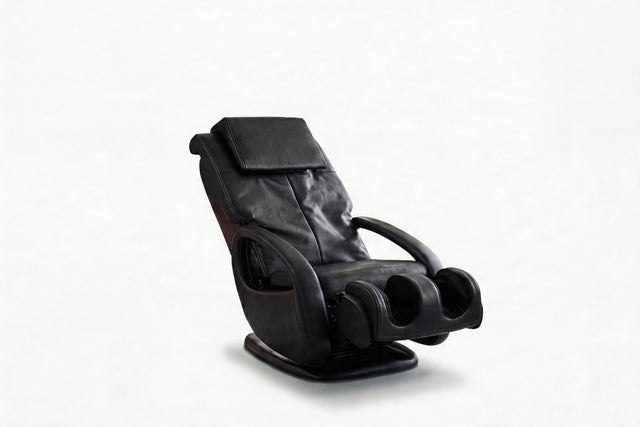
One-Stage vs Two-Stage Zero Gravity: How to Compare Recline Levels
Many premium chairs offer either one-stage or two-stage (sometimes multi-stage) zero gravity. The main difference is how much choice you have in the recline angle—and how well the chair adapts to different body types and comfort preferences.
| Feature | One-Stage Zero Gravity | Two-Stage Zero Gravity |
|---|---|---|
| What it is | A single preset “zero gravity” angle | Two preset angles (often “light” and “deep” recline) |
| Best for | Simple controls and quick comfort | Shared use, fine-tuning, longer sessions |
| How it tends to feel | Consistent, but less adjustable | More personalized; easier to find your ideal “float” point |
| Shopping tip | Test whether you feel supported or if you slide | Try both stages; confirm both feel stable and comfortable |
What to look for in a “deeper” stage
• No sliding: your hips should stay anchored, not drift forward.
• Neck and head comfort: deeper recline should not force your chin down or overextend your neck.
• Footrest support: your calves and heels should feel held up, not dangling.
What to look for in a “lighter” stage
• Easy breathing and openness: especially if you prefer a less intense recline.
• Good roller contact: you should still feel consistent coverage without needing to tense up.
• Comfort for reading or watching: a lighter stage can be ideal for daily use beyond massage.
How to Evaluate a Zero Gravity Massage Chair When Shopping
When comparing a zero gravity massage chair, the label alone doesn’t guarantee comfort. These factors usually make the difference between a position that feels truly restorative and one that simply reclines.
1) Fit and body support (the “cradle test”)
In a strong zero gravity position, your body should feel gently cradled. Check:
• Hips: supported without pressure points.
• Knees: slightly bent and supported (no strain behind the knee).
• Lower back: comfortably filled in—without an exaggerated arch.
• Head/neck: relaxed, not pushed forward.
2) Track design and coverage
Zero gravity affects how massage rollers contact your back. Track style also matters:
• S-Track tends to follow the spine’s natural curve.
• L-Track extends coverage down toward the glutes and upper hamstrings.
• SL-Track combines both approaches for longer coverage in a curved path.
If you’re comparing track styles, you may also like: S-Track vs L-Track vs SL-Track Massage Chairs.
3) Recline mechanics and room planning
Some chairs slide forward as they recline (often called wall-hugging or space-saving designs), while others need more clearance behind them. Before you commit, measure carefully and plan for recline movement. For layout help, see: How Much Space Does a Massage Chair Need?.
4) Massage intensity + zero gravity comfort
A deeper recline can make intensity feel different—sometimes gentler, sometimes more direct, depending on roller pressure and padding. If you’re deciding between massage mechanisms, this guide can help: 2D vs 3D vs 4D Massage Chairs: What’s the Difference?.
5) Daily-use flexibility (massage chair vs lifestyle recliner)
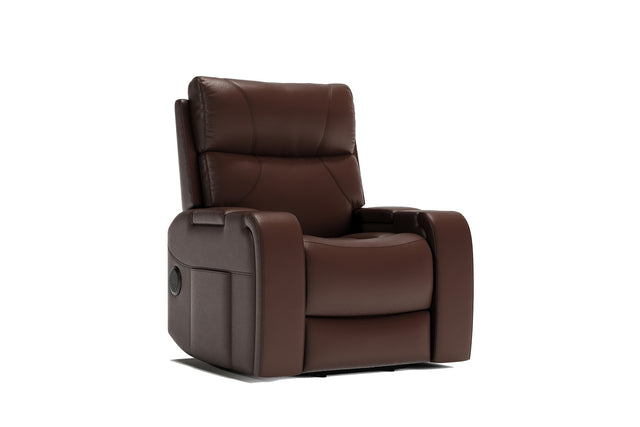
If you want a “zero gravity” feel primarily for everyday relaxation (reading, decompressing at the end of the day), a premium wellness recliner may fit your lifestyle better than a full-feature massage chair—or you may want both capabilities in one seat.
Compare the two categories here: Full Massage Chair vs Lifestyle Massage Recliner: What’s the Real Difference?.
Explore premium comfort options
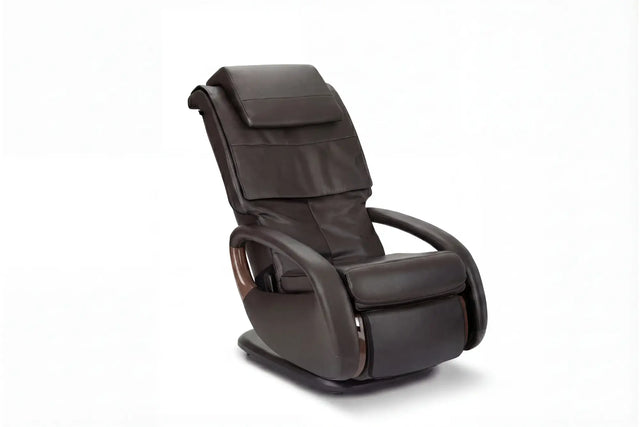
If you’re building a calm, design-forward wellness space at home, explore our Wellness Series collection for massage seating and recliners designed for everyday comfort.
Frequently Asked Questions
Is zero gravity the same as lying flat?
No. Zero gravity is typically a reclined position with elevated legs, not a fully flat bed-like posture. The goal is support and pressure distribution, not simply being horizontal.
Does zero gravity make massage feel stronger?
It depends on the chair and your sensitivity. Zero gravity often makes massage feel more comfortable and consistent because your body is better supported, but certain roller systems can feel more direct in a deep recline. Adjust intensity, speed, and roller depth as needed.
What’s better: one-stage or two-stage zero gravity?
Two-stage zero gravity is usually better for most homes because it offers more flexibility for different heights, preferences, and daily routines. One-stage can still be excellent if the preset angle fits your body well.
Can I use zero gravity every day?
For many people, yes. Daily use is common—especially for relaxation and tension relief—provided the position feels comfortable and you avoid intensity levels that leave you sore. If you have health concerns (blood pressure, spine issues, pregnancy), consult a clinician first.
How do I know if a chair’s zero gravity position is “good” for my height?
A good fit means your legs are supported without strain and your body doesn’t slide. Look for footrest extension, supportive calf/heel design, and a recline that keeps your head and neck relaxed.
Does zero gravity in a massage chair feel the same as in a wellness recliner?
The recline angle is similar — legs elevated, back angled — but a wellness recliner is typically designed for extended daily lounging, so the zero gravity position is accessible for watching TV or reading as well as massage. A massage chair's zero gravity is usually optimized for active sessions rather than passive hours-long sitting.


