

In this article: Choosing a home sauna in Canada comes down to the right sauna type, size, and materials—plus Canada-specific planning for insulation, electrical requirements, ventilation, and where it will live in your home.
- Start With the Sauna Type (Infrared vs Traditional)
- Choose the Right Size for Your Routine
- Canada-Specific Considerations: Climate, Insulation, and Placement
- Electrical Planning in Canada (120V vs 240V)
- Ventilation, Moisture, and Indoor Air Quality
- Materials, Heaters, and Build Quality Checklist
- Budget Tiers: What You Get at Different Price Points
- Delivery, Assembly, and Warranty Questions to Ask
- Frequently Asked Questions
To choose a home sauna in Canada, start by selecting infrared vs traditional based on the heat experience you want, then match the sauna size to your routine and space—while planning for Canadian electrical requirements (often 240V), ventilation, moisture control, and cold-climate placement. The right setup should feel like a calm, reliable wellness ritual you can repeat year-round, not a renovation headache.

Quick Takeaways
• Infrared vs traditional: Infrared is typically easier for indoor installs and lower electrical demand; traditional delivers higher heat and humidity with more demanding ventilation and power needs.
• Placement and insulation matter more in Canada: Especially for basements, garages, and outdoor builds exposed to freezing temperatures.
• Confirm 120V vs 240V early: Many 2+ person and traditional saunas need 240V and a dedicated circuit.
• Moisture management is essential for indoor saunas: Plan for ventilation strategy, floor protection, and room humidity control.
• Budget beyond the cabin: Electrical work, flooring, ventilation, and delivery/assembly can materially change total cost.
1. Start With the Sauna Type (Infrared vs Traditional)

Most Canadian buyers begin with a simple question: do you want a gentle, steady heat or a hotter, more humid sauna session? Your answer typically points to infrared or traditional.
Infrared saunas: calmer heat, simpler setup for many homes
Infrared saunas warm your body more directly using infrared heaters, often at lower air temperatures than traditional saunas. Many people prefer them for a more approachable, everyday routine—especially in indoor spaces where you want less humidity.
• Typical feel: Deep warmth without extremely hot air.
• Common Canadian fit: Condos, finished basements, spare rooms, and home gyms.
• Practical advantage: Usually less steam/humidity, which can simplify moisture management.
Traditional saunas: higher heat, optional steam, classic sauna experience
Traditional saunas heat the air (usually with an electric heater and sauna stones). You can keep it dry or add water to the stones for bursts of steam (löyly). It's the classic "hot room" experience—powerful, immersive, and often higher maintenance indoors.
• Typical feel: Hotter air, more intense heat.
• Common Canadian fit: Dedicated indoor wellness rooms or outdoor sauna buildings.
• Planning note: More attention needed for ventilation, moisture, and electrical capacity.
If you're still deciding, see our related guide: Infrared Sauna vs Traditional Sauna: What's the Difference?
2. Choose the Right Size for Your Routine
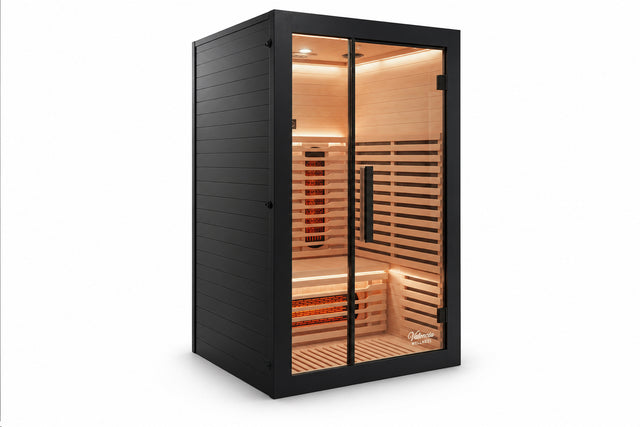
The "right" sauna size is less about what you can fit and more about how you'll actually use it. A sauna that feels cramped tends to be used less; a sauna that's oversized can increase purchase price and electrical requirements without improving your day-to-day experience.
Start with how you like to sauna
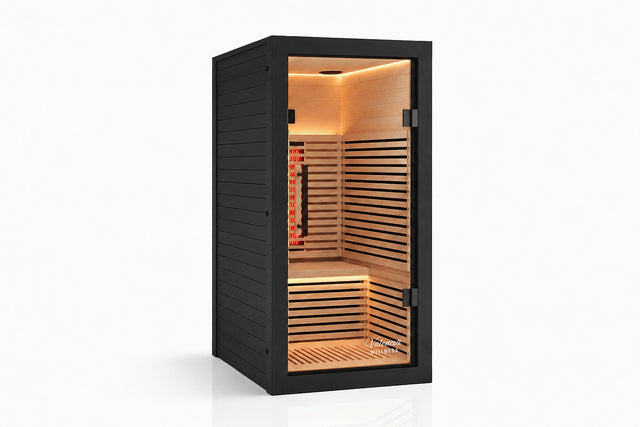
• Solo recovery: A 1-person footprint can be enough if you sit upright and want a compact ritual.
• Shared sessions: A 2-person sauna is the most common "sweet spot" for couples or occasional sharing.
• Stretching or longer sessions: Consider 3-person+ if you want room to recline, change positions, or integrate breathwork.
Typical placement realities in Canadian homes
• Basement: Great for privacy and noise control, but plan carefully for moisture and airflow.
• Main floor spare room: Convenient and comfortable, assuming floor protection and nearby electrical access.
• Garage: Works well if conditioned and protected from deep cold; insulation becomes a priority.
• Outdoor: A beautiful option—just ensure the build is winter-ready and code-compliant.
For a deeper sizing breakdown, see: 1-Person vs 2-Person vs 3-Person Sauna: What Size Should You Buy?
3. Canada-Specific Considerations: Climate, Insulation, and Placement
Choosing a home sauna in Canada that buyers will love long-term often comes down to climate realities. Canadian winters create bigger temperature swings, and that affects warm-up time, energy use, and even how materials expand and contract.
Indoor placement: focus on moisture control and room protection
For indoor saunas—especially in basements—plan for humidity and condensation. Even infrared saunas can increase room warmth and moisture over time, while traditional saunas can raise it quickly.
• Flooring: Use a protective, water-resistant layer under and around the sauna if needed (especially for traditional use).
• Clearances: Keep space around the unit per manufacturer guidance for airflow and service access.
• Humidity management: Consider a dehumidifier for basements or tight rooms.
Garage or outdoor placement: insulation is not optional
If your sauna will be in an unconditioned garage or outdoors, insulation quality and door sealing matter significantly.
• Better insulation can help stabilize temperature and reduce heat loss in freezing conditions.
• Weather sealing helps prevent drafts that lengthen heat-up time.
• Roof and base matter outdoors: proper construction reduces heat loss and protects the structure.
Typical Canadian room placements (and what to watch)
| Location | Why it works | Key watch-outs in Canada |
|---|---|---|
| Basement | Private, stable temperature, easy to make a wellness zone | Dehumidification, ventilation strategy, floor protection |
| Spare room / home gym | Convenient access; comfortable year-round | Electrical routing; ensure adequate clearances |
| Garage | Great separation from living space; easy access to exterior venting | Cold swings; insulation; protect from moisture and drafts |
| Outdoor | Premium spa-like experience; keeps heat/humidity outside | Winter-ready construction; weatherproofing; code-compliant wiring |
4. Electrical Planning in Canada (120V vs 240V)
Electrical planning is where many sauna projects get delayed. In Canada, the difference between a smooth install and a costly surprise is often knowing whether your sauna needs 120V (standard outlet) or 240V (dedicated circuit, often electrician-installed).
What to expect
• Many smaller infrared saunas can run on 120V, depending on wattage.
• Many 2+ person infrared and most traditional saunas may require 240V and a dedicated breaker.
• Traditional sauna heaters commonly need 240V due to higher power draw.
Questions to confirm before you buy
• What voltage and amperage does the sauna require?
• Is a dedicated circuit required?
• Does the heater require hardwiring, or is it plug-and-play?
• Where is your electrical panel relative to the sauna location?
• Will a permit or inspection be required in your province/municipality?
Note: Electrical work should be completed by a qualified electrician familiar with local code requirements. Requirements can vary across provinces and municipalities.
5. Ventilation, Moisture, and Indoor Air Quality
Ventilation is not just a comfort detail—it can help protect your home. A sauna that's used frequently changes the heat and moisture profile of the room around it, especially with traditional heat and steam.
Infrared ventilation basics
Infrared saunas generally add less humidity. Still, you'll want gentle airflow in the room so heat doesn't build up around the unit and to keep the space comfortable during longer sessions.
• Maintain recommended clearance around the sauna.
• If the room is small, consider a quiet fan or HVAC support.
• In basements, a dehumidifier can help keep conditions stable.
Traditional sauna ventilation basics
Traditional saunas benefit from intentional air exchange for comfort and to reduce lingering moisture. If you plan to add steam, it's worth treating ventilation as essential from the beginning.
• Plan where moist air will go after sessions (especially in finished spaces).
• Use materials and finishes around the sauna that tolerate heat and moisture.
• Give the room time to dry out between sessions.
For broader home wellness planning, you may also like: Wellness Series
6. Materials, Heaters, and Build Quality Checklist
Two saunas can look similar online and feel completely different in daily use. Build quality shows up in how evenly the sauna warms, how well it holds heat, how quiet it is, and how it looks after years of use.
Wood and interior finish
• Wood quality: Look for consistent finish, smooth edges, and well-fitted panels.
• Scent and comfort: Many people prefer a clean, natural wood aroma without harsh chemical smells.
• Cold-climate durability: For outdoor builds, confirm the wood and exterior finish are appropriate for Canadian conditions.
Heater considerations (infrared vs traditional)
• Infrared: Heater layout affects coverage—more even placement can feel more balanced across your body.
• Traditional: Heater sizing should match the sauna volume; undersized heaters struggle in cold placements.
Door, seals, and hardware
• Door fit: A well-sealed door helps hold heat (especially important in garages/outdoors).
• Hardware: Hinges, handles, and latches should feel solid and resist corrosion.
7. Budget Tiers: What You Get at Different Price Points
Home sauna pricing in Canada varies widely. Beyond the sauna itself, plan for the real-world costs: delivery, electrical work, ventilation, flooring protection, and (for outdoor) a proper base and weatherproofing.
| Budget tier | Typical fit | What to expect |
|---|---|---|
| Entry | Compact 1-person, basic features | Smaller footprint; simpler controls; may be 120V; fewer premium finish details |
| Mid-range | 1–2 person with better comfort and build | More refined materials; improved heat coverage; may require 240V depending on model |
| Premium | 2–3+ person, higher-end construction | Stronger insulation and sealing; elevated design; more consistent heat performance |
| Luxury / custom | Dedicated wellness rooms or outdoor builds | Custom sizing, premium finishes, advanced controls; higher installation scope |
If cost planning is your next step, read: How Much Does a Home Sauna Cost in Canada?
8. Delivery, Assembly, and Warranty Questions to Ask
A premium sauna experience starts before the first session—when your unit arrives intact, fits the intended space, and can be installed without surprises.
Pre-purchase checklist
• Delivery method: Curbside vs room-of-choice delivery; confirm what's included.
• Packaging and access: Will the boxes fit through your doorways, stairs, and turns?
• Assembly requirements: Do you need two people, special tools, or professional assembly?
• Warranty clarity: Ask what's covered (heaters, electronics, wood structure) and what voids coverage.
• Service support in Canada: Confirm parts availability and response expectations.
Frequently Asked Questions
What's the best home sauna type for Canadian winters?
For many Canadian homes, an indoor infrared sauna is the simplest year-round option, while a traditional sauna is ideal if you want higher heat and occasional steam—provided you plan for ventilation and power. If you're installing in a cold garage or outdoors, prioritize insulation and sealing regardless of sauna type.
Do I need 240V for a home sauna in Canada?
Sometimes—especially for traditional saunas and larger 2+ person models. Many compact infrared saunas can use 120V, but higher-output units may require 240V and a dedicated circuit. Confirm the exact voltage and amperage requirements before purchasing.
Where should I place a home sauna in a Canadian house?
Basements and spare rooms are popular because they're comfortable year-round, while garages and outdoor placements can feel more spa-like but need better insulation and weather protection. The best spot is where you'll use it consistently and where electrical access and ventilation planning are straightforward.
Do indoor saunas cause moisture problems?
They can if the room isn't managed properly—especially traditional saunas that add steam. Good ventilation, floor protection, and humidity control (such as a dehumidifier in basements) help keep your home comfortable and protected.
How much space do I need around a sauna?
You'll typically need clearance for airflow, safe operation, and service access. Follow the manufacturer's installation guidance, and consider extra room for towels, a bench, and a calm cool-down area so the sauna feels like part of a complete wellness space.
How long does it take for a home sauna to heat up?
Infrared saunas typically reach usable warmth in 15 to 30 minutes. Traditional saunas usually take 30 to 60 minutes to fully heat the air and stones. In colder placements (garages, outdoor buildings), heat-up times can be longer—especially if insulation or door sealing is inadequate.
Is a permit required to install a home sauna in Canada?
Requirements vary by province and municipality. Electrical work—especially for a dedicated 240V circuit—often requires a permit and inspection. Outdoor structures may also require building permits. Always confirm with your local authority before beginning electrical or structural work.
What wood types are best for a home sauna in Canada?
Common sauna woods include cedar, hemlock, and spruce. Cedar is popular for its natural resistance to moisture and its pleasant scent. Hemlock is a finer-grained, lighter option that many prefer for a cleaner, odor-neutral feel. For outdoor builds in Canada, confirm that the exterior finish and wood treatment are appropriate for freeze-thaw cycles and moisture exposure.


