

In this article: Infrared sauna vs traditional sauna comes down to how heat is delivered, how quickly it feels comfortable, and what kind of session you prefer—gentle and steady or hot and intense.
- What's the Core Difference Between Infrared and Traditional Saunas?
- Heat Type & How It Feels on the Body
- Warm-Up Time & Session Experience
- Temperature, Humidity, and Breathability
- Energy Use & Operating Cost Considerations
- Installation, Space, and Home Setup Differences
- Which Sauna Should You Choose? (By Preference & Routine)
- Frequently Asked Questions
The difference between an infrared sauna and a traditional sauna is how they heat you: infrared uses radiant panels to warm your body more directly at lower air temperatures, while traditional saunas heat the air (and surfaces) first—typically reaching higher overall temperatures for a more classic, enveloping "hot room" experience.

If you're building a calm, repeatable at-home wellness routine, this choice matters. Heat type affects warm-up time, the feel of the session, energy use, and even which sauna you'll actually want to use consistently.
Quick Takeaways
• Infrared saunas usually feel gentler at lower air temperatures, with a steady, dry warmth that many people find easier to stay in for longer sessions.
• Traditional saunas deliver the classic "hot room" experience at higher temperatures and can add steam (if you pour water on rocks), which changes how the heat feels.
• Warm-up time is often shorter for infrared; traditional saunas may take longer to preheat depending on heater size and room conditions.
• Energy use depends on unit size, insulation, and how often you use it, but infrared systems are commonly perceived as more efficient for shorter, frequent sessions.
• The "best" choice is the one that matches your comfort preferences, schedule, and the kind of ritual you want at home.
What's the Core Difference Between Infrared and Traditional Saunas?
At a high level, both sauna styles aim to create a warm, restorative environment that can help you unwind, ease everyday tension, and support a consistent relaxation routine. The key difference is how the heat is produced and delivered.
Traditional sauna (Finnish-style or electric heater)
A traditional sauna uses a heater—often electric in home installations—to warm the air in the room. The room itself becomes the heat source, and your body warms as it sits in that hot air (and from contact with warmed benches and surfaces).
Infrared sauna
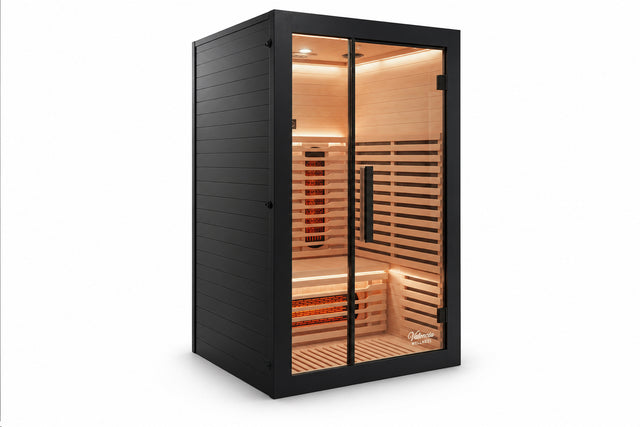
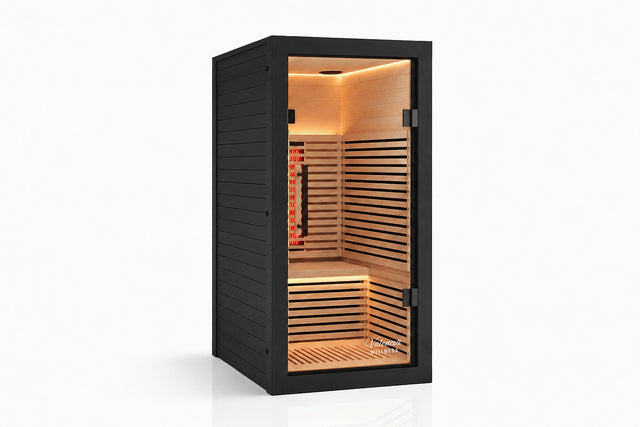
An infrared sauna uses infrared emitters/panels that produce radiant energy. Instead of primarily heating the air first, the warmth is felt more directly on your body and nearby surfaces. The air temperature is typically lower than a traditional sauna, but many users still describe a deep, steady warmth.
Heat Type & How It Feels on the Body

When people compare infrared sauna vs traditional sauna, they're often trying to predict one thing: How will it feel once I'm inside? The experience is meaningfully different.
Infrared: steady, direct warmth
Infrared sessions often feel like a more gradual, focused heat—less like stepping into a "hot room" and more like settling into a consistent warmth. Many people who are heat-sensitive prefer this sensation, especially for longer, quieter sessions.
• Lower ambient air temperature, often more comfortable to breathe
• Warmth feels direct on the skin where panels are facing you
• Commonly chosen for frequent, routine use
Traditional: enveloping, high-heat intensity
Traditional saunas can feel immediately immersive: the entire room is hot, and the heat surrounds you. For those who love the classic sauna ritual—especially higher temperatures—traditional is usually the closer match.
• Hotter air temperature and a "full room" heat sensation
• Can feel more intense, especially as the room fully preheats
• Option to add steam in many setups (water on rocks), changing the heat character
Warm-Up Time & Session Experience
Warm-up time shapes how easy it is to use your sauna regularly. If you're squeezing in a session after work, the ability to start quickly can be the difference between a habit and an occasional treat.
Infrared warm-up
Infrared saunas typically require less "room preheating" to feel effective, since the radiant heat is noticeable earlier in the session. Many owners start sessions sooner, even if the cabin hasn't reached its peak temperature.
Traditional warm-up
Traditional saunas generally need more time to heat the air and the room's surfaces. The payoff is the classic sauna atmosphere—once it's ready, it's fully immersive.
Practical guidance: If you value spontaneous sessions and consistent weekday use, infrared may fit more naturally. If you love a dedicated ritual—preheat, pour water, then settle in—traditional can feel more rewarding.
Temperature, Humidity, and Breathability
Comfort isn't only about "how hot." It's also about humidity and how the air feels while you breathe.
| Factor | Infrared sauna | Traditional sauna |
|---|---|---|
| Typical air temperature feel | Lower air temp with direct radiant warmth | Higher air temp that surrounds you |
| Humidity | Usually dry | Dry by default; can become humid/steamy if water is added (where applicable) |
| Breathability | Often feels easier for heat-sensitive users | Can feel intense at higher temps, especially for newcomers |
| Overall vibe | Quiet, steady, spa-like warmth | Classic sauna ritual, "hot room" immersion |
If you're deciding based on comfort alone, ask yourself: do you want a gentler, steady session (often infrared), or a hotter, more intense sauna room (often traditional)?
Energy Use & Operating Cost Considerations
Energy use is a common deciding factor in the infrared sauna vs traditional sauna discussion—especially for Canadian households where regular winter routines can increase overall home energy demand.
What influences energy use most
• Heater type and wattage (varies by model and size)
• Sauna size (1-person vs 2-person vs 3-person)
• Insulation and build quality
• Ambient temperature (garage vs interior room)
• Session frequency and duration
General expectation (without overpromising)
Infrared saunas are often used at lower air temperatures and can be started and used sooner, which may reduce the total time you're actively heating the space. Traditional saunas may draw more power during preheat and often run at higher temperatures. However, actual cost depends on your specific unit, how you use it, and your local electricity rates.
Simple decision tip: If you plan on short, frequent sessions, infrared can be an efficient-feeling routine. If you want longer, hotter sessions and love the traditional atmosphere, the added preheat time may be worth it.
Installation, Space, and Home Setup Differences
Both sauna styles can work beautifully in a home wellness space, but they don't always fit the same way.
Infrared setup considerations
• Often designed for straightforward indoor installation
• May be easier to place in finished basements, home gyms, or dedicated wellness rooms
• Lower operating temperatures can feel more approachable for shared household use
Traditional setup considerations
• May require more planning for ventilation and heater placement
• If you want steam functionality, you'll want a compatible heater and the right materials
• Best for those who want an authentic sauna ritual and don't mind the preheat window
If you're building a broader at-home reset, consider pairing your sauna with a complementary recovery ritual—stretching, hydration, and a quiet wind-down space. A premium massage chair can also fit naturally into that routine for targeted, everyday muscle relief and relaxation. You can explore Valencia's wellness-focused options in the Wellness Series collection.
Which Sauna Should You Choose? (By Preference & Routine)
The best sauna is the one you'll use consistently. Here's a calm, practical way to decide.
Choose an infrared sauna if you prefer:
• Lower air temperatures and a gentler, steady warmth
• Faster start for weekday routines
• A quieter, more consistent "set it and settle in" experience
• A sauna that feels approachable for multiple household members
Choose a traditional sauna if you prefer:
• Higher heat and a classic hot-room atmosphere
• A more ceremonial session (preheat, step in, fully immerse)
• The option for steam/humidity (where your heater supports it)
• That unmistakable, traditional sauna feel many people grew up with
If you're torn, use this simple tie-breaker
If comfort and consistency are your priority, start with infrared. If the classic sauna ritual is what you're craving—and you're comfortable with higher heat—traditional is usually the better emotional match.
Whichever you choose, treat it like a ritual, not a performance: keep sessions comfortable, stay hydrated, and give yourself a few quiet minutes afterward to let the calm settle in.
Frequently Asked Questions
Is an infrared sauna better than a traditional sauna?
Neither is universally "better"—they're better for different preferences. Infrared is often chosen for a gentler feel and quick, routine sessions, while traditional is preferred for higher-heat intensity and the classic sauna atmosphere.
Does infrared feel as hot as a traditional sauna?
Infrared usually feels warm at a lower air temperature, but it can still feel deeply heating. Traditional saunas typically feel hotter overall because the air temperature is higher and the room heat surrounds you.
Which warms up faster: infrared sauna or traditional sauna?
Infrared often feels usable sooner because you can feel the radiant panels quickly. Traditional saunas typically need more time to heat the air and room surfaces before the full experience is ready.
Is a traditional sauna always humid?
No—traditional saunas are often dry unless you add water to sauna rocks (if your heater supports it). Adding water increases humidity and changes the feel of the heat.
Which type is more energy efficient?
It depends on the model, size, insulation, and how you use it. Many people find infrared aligns well with shorter, frequent sessions, while traditional saunas may use more energy during longer preheat and higher-temperature operation. For accurate expectations, compare heater wattage and estimate cost using your local electricity rate.
Can I combine sauna use with a massage chair routine?
Yes, many people pair them as part of a relaxed, at-home wellness routine. A common approach is a gentle sauna session followed by a massage chair session to help you fully unwind. Keep the order and intensity based on comfort—your goal is calm, not strain.


