

In this article: Choosing between an indoor vs outdoor sauna comes down to your climate, available space, and the kind of daily ritual you want—quick convenience indoors or a more immersive retreat outdoors.
- Indoor vs Outdoor Sauna: The Quick Verdict
- Decision Matrix: Indoor vs Outdoor Sauna at a Glance
- Installation Complexity: What It Takes to Build Each
- Privacy, Noise, and Neighbors: Real-World Considerations
- Maintenance and Durability: What Changes Outside
- Climate Considerations in Canada: Snow, Wind, and Moisture
- How Each Option Changes the Daily Sauna Ritual
- Frequently Asked Questions
For most homes, an indoor sauna is "better" if you want the easiest, most consistent year-round routine, while an outdoor sauna is "better" if you want more space flexibility and a true spa-like retreat—especially if indoor square footage is limited. The right choice is the one that fits your climate exposure, privacy needs, installation constraints, and how you want sauna to feel in your day-to-day life.

If you're comparing indoor vs outdoor sauna options as part of a broader home wellness setup, you may also like Infrared Sauna vs Traditional Sauna: What's the Difference? and How to Choose a Home Sauna in Canada.
Quick Takeaways
• Indoor saunas win for convenience: Typically faster access, less exterior wear, and protection from weather.
• Outdoor saunas win for flexibility: Easier to place in a shed, yard, or deck, with simpler ventilation planning and a more immersive retreat feeling.
• In Canada, climate matters: Outdoor installations must account for snow load, freeze-thaw cycles, wind, drainage, and moisture management.
• Privacy cuts both ways: Indoor is naturally discreet; outdoor can be very private if screened well—but may require planning for sightlines and noise.
• Your ritual is the tie-breaker: If you'll use it three to five times per week, indoor convenience is hard to beat; if you want contrast therapy and an escape, outdoor shines.
1. Indoor vs Outdoor Sauna: The Quick Verdict

When shoppers ask "indoor vs outdoor sauna—what's better?", they're usually balancing two truths:
• Indoor sauna: effortless consistency. It's easier to step in for a 20-minute reset after work, even during storms or deep winter cold.
• Outdoor sauna: a stronger experience. Walking out into fresh air (and possibly snow) can make sauna feel like a complete ritual, not just another home amenity.
A simple rule of thumb:
• Choose indoor if your top priority is frequency of use, minimal weather exposure, and a clean integration into a bathroom, basement, or dedicated wellness room.
• Choose outdoor if your top priority is preserving indoor space, creating a destination-like routine, or you want easier placement near a cold plunge, hot tub, or outdoor shower.
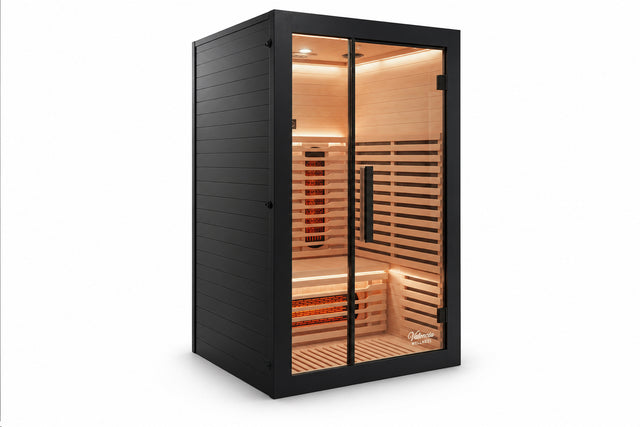
2. Decision Matrix: Indoor vs Outdoor Sauna at a Glance
| Factor | Indoor Sauna | Outdoor Sauna | Best If You Want... |
|---|---|---|---|
| Installation complexity | Often simpler access to power and shelter; may require venting/moisture planning indoors | May require trenching electrical, base/foundation, weatherproofing, and drainage planning | Indoor: fastest path to "ready to use" Outdoor: flexible placement + separate structure |
| Privacy | High by default (inside the home) | Variable; depends on yard, fencing, sightlines, lighting | Indoor: discreet use anytime Outdoor: private retreat if well-screened |
| Maintenance | Less exterior wear; easier to keep dust/pollen out | More exposure to moisture, UV, temperature swings; may need more frequent exterior care | Indoor: lowest ongoing fuss Outdoor: don't mind seasonal upkeep |
| Climate exposure | Protected from wind, snow, driving rain | Must be designed for local conditions (snow load, wind, freeze-thaw) | Indoor: predictable performance Outdoor: built-for-weather setup |
| Daily ritual | "Slip in, reset, shower" convenience | More immersive; pairs well with cool-down outdoors | Indoor: high-frequency sessions Outdoor: spa-like routine |
| Space planning | Uses finished square footage | Saves indoor space; uses yard/deck/shed footprint | Indoor: you have an unused room/basement Outdoor: indoor space is precious |
3. Installation Complexity: What It Takes to Build Each
Indoor sauna installation considerations
Indoor installations tend to feel straightforward because the home already provides shelter, stable temperatures, and direct access to electrical service. However, the details that matter are often "invisible":
• Electrical readiness: confirm you have capacity in the panel and the correct circuit requirements for your heater type.
• Moisture management: indoor sauna use introduces heat and humidity to your home; choosing the right room, sealing, and ventilation approach helps protect surrounding finishes.
• Flooring and drainage: some spaces are naturally sauna-friendly (bathrooms); others may need extra planning to avoid moisture issues.
• Clearances and access: delivering panels, benches, or a prebuilt cabin through doorways and stairwells can be a real constraint.
If you're deciding where a sauna fits within a broader wellness layout, consider pairing it with a dedicated relaxation corner—many homeowners also plan a recovery zone with premium comfort seating. Explore options in our Wellness Series collection.
Outdoor sauna installation considerations
Outdoor installations usually require more up-front planning, but they can simplify certain indoor concerns (like humidity in living spaces). Key items to expect:
• Base/foundation: a stable, level base (and local frost considerations) helps prevent shifting over time.
• Electrical run: you may need a dedicated line to the outdoor location; the distance from the panel matters for scope and cost.
• Weatherproofing: exterior materials, roofing, and sealing must handle precipitation and temperature swings.
• Drainage: manage meltwater and runoff so the structure and entry path don't become icy or saturated.
In many homes, "outdoor is easier" specifically because it avoids retrofitting an interior room—especially in finished basements where humidity control can be more nuanced.
4. Privacy, Noise, and Neighbors: Real-World Considerations
Indoor privacy: naturally discreet
An indoor sauna typically offers the most predictable privacy. You're inside, you control lighting and window coverings, and you don't have to think much about sightlines. It also tends to feel quieter—no wind, no outdoor ambient noise—so the experience can be deeply calm and consistent.
Outdoor privacy: excellent with planning
Outdoor saunas can be extremely private when placed thoughtfully, but they're not "automatically private." Consider:
• Sightlines from neighboring windows, second-story decks, or shared fences
• Lighting (warm, low exterior lighting keeps it serene without turning the sauna zone into a spotlight)
• Sound (music, doors, conversation) carrying further outdoors at night
• Pathway comfort (safe, slip-resistant access matters more than most people expect in winter)
If privacy is your top concern and you still want an outdoor build, prioritize screening (fencing, hedges, privacy panels) as part of the original plan—not an afterthought.
5. Maintenance and Durability: What Changes Outside
Indoor sauna maintenance expectations
Indoors, the sauna is protected from UV exposure, precipitation, and severe temperature swings. Day-to-day upkeep is usually straightforward:
• Wipe benches and backrests after sessions
• Air out the cabin by leaving the door open briefly
• Maintain clean towels and floor mats
Because the exterior isn't weathered, indoor saunas often keep their "new" look longer with less effort.
Outdoor sauna maintenance expectations
Outdoor saunas can be wonderfully durable, but the environment asks more of them. Depending on your build and materials, you may need:
• Seasonal exterior checks for seals, rooflines, and fasteners
• Wood care (stain or sealant schedules vary by exposure)
• Snow management around doors, vents, and entry paths
• Pest awareness (especially in wooded or rural areas)
None of this is meant to deter you—it's simply the trade: outdoor sauna ownership can feel more like caring for a premium outdoor structure than a standard indoor fixture.
6. Climate Considerations in Canada: Snow, Wind, and Moisture
For Canadian homeowners, indoor vs outdoor sauna isn't just about preference—it's about performance and longevity in real weather. Outdoor installs can be excellent, but plan for conditions that indoor installs largely avoid.
Outdoor sauna: plan for the hardest weeks of winter
• Snow load: ensure the roof and structure are designed for your region's typical accumulation.
• Wind: wind exposure can affect comfort on the walk to/from the sauna and increase heat loss through infiltration if sealing is poor.
• Freeze-thaw cycles: these can stress materials and foundations if drainage and base prep aren't right.
• Moisture: melting snow near thresholds can create icy patches and repeated dampness around the entry.
Indoor sauna: focus on humidity where it matters
• Room choice: bathrooms and well-ventilated basements are common choices.
• Ventilation strategy: proper airflow helps keep the surrounding area comfortable and protects finishes.
• Comfort planning: indoor placement makes it easier to pair sauna with a shower, hydration station, and a quiet lounge chair for cooldown.
7. How Each Option Changes the Daily Sauna Ritual
This is where the decision often becomes clear. The "best" sauna is the one you'll use consistently—and placement shapes consistency.
Indoor sauna ritual: convenience and consistency
An indoor sauna supports a simple loop: heat session, cool shower, then rest. It's ideal when you want sauna to feel as normal as making tea—easy enough to do on a weeknight without planning around weather.
• Best for: busy schedules, frequent short sessions, early mornings, and winter evenings
• Feels like: a seamless extension of your home wellness routine
Outdoor sauna ritual: a retreat you step into
Outdoor sauna use tends to feel more intentional. The walk outside, the fresh air, and the contrast of hot and cold can turn sauna into a full-body reset—especially when you incorporate outdoor cooldown time.
• Best for: longer sessions, contrast routines, weekend resets, and people who want a destination-like experience
• Feels like: leaving the house without going anywhere
If you're planning a full relaxation zone, consider how you'll recover after each session—soft lighting, quiet seating, and a comfortable recline can make the calm last longer. Browse our Wellness Series to build a space that supports the full ritual.
Frequently Asked Questions
Is an indoor or outdoor sauna better in Canada?
Indoor is often better in Canada for consistent, no-excuses use, while outdoor can be excellent if it's designed for snow, moisture, and freeze-thaw cycles. If you want the easiest year-round routine, indoor usually wins. If you want a retreat experience and have the right outdoor setup, outdoor can be worth the extra planning.
Do outdoor saunas require more maintenance than indoor saunas?
Yes, outdoor saunas typically require more maintenance because they're exposed to weather and temperature swings. Expect to check exterior sealing, manage snow and moisture around entry points, and maintain exterior wood finishes as needed. Indoor saunas usually require less exterior upkeep.
Which is more private: an indoor or outdoor sauna?
Indoor saunas are generally more private by default because they're inside your home. Outdoor saunas can be very private too, but you'll need to plan for sightlines, lighting, and screening (fences, hedges, or panels), especially in tighter neighborhoods.
Is it harder to install an outdoor sauna?
Outdoor sauna installation is often more complex because it may involve a proper base, weatherproofing, drainage, and running electrical to the site. Indoor installations may be simpler in terms of shelter and access to power, but they can require more careful moisture and ventilation planning.
Will I use an outdoor sauna less in winter?
Some people do, but many use it even more once they create a safe, comfortable path and embrace the contrast experience. If you dislike the idea of stepping outside in cold weather, an indoor sauna is usually the better fit for maintaining a steady routine.
Does an outdoor sauna cost more than an indoor sauna to run?
In colder climates like Canada, outdoor saunas may cost more to run in winter because they lose heat faster if insulation or sealing is inadequate—requiring longer heat-up times and more energy. A well-insulated outdoor sauna with a quality door and roof can perform efficiently, but the operating cost depends on your local electricity rate and session habits.
Can I convert an outdoor shed into a sauna in Canada?
Yes, many Canadian homeowners convert existing sheds or small outbuildings into saunas. The key requirements are adequate insulation, a proper vapor barrier, the right interior wood lining, ventilation, and a dedicated electrical circuit (usually 240V for traditional heaters). Depending on scope, this may require a building or electrical permit—check your local municipality's rules before starting.


