

In this article: Infrared sauna materials influence how a sauna looks, feels, smells, heats, and holds up over years—here’s how to compare wood, glass, heaters, and build details like a premium buyer.
- Why Infrared Sauna Materials Matter for Comfort & Longevity
- Wood Choices: Okoume, Hemlock, Cedar, and What They Change
- Glass, Doors, and Seals: Clarity, Safety, and Heat Retention
- Heating Panels & Controls: Consistency, Warm-Up, and Durability
- Fit, Finish & Hardware: The “Luxury Details” That Predict Lifespan
- Maintenance by Material: Cleaning, Odor, and Keeping It Like New
- Frequently Asked Questions
The best infrared sauna materials balance comfort, low odor, stable heat, easy maintenance, and long-term durability—which usually comes down to the right interior wood, quality tempered glass, dependable heating panels, and precise fit-and-finish details like seals, fasteners, and panel alignment.
If you’re shopping at the “buy it once, enjoy it for years” end of the market, materials are not just about aesthetics. They shape the daily experience: how even the warmth feels, whether the cabin holds temperature without hot/cold zones, how the interior smells after repeated sessions, and how well doors and joints stay tight as the sauna cycles through heat and cooldown.
Quick Takeaways
• Interior wood is the main driver of feel and odor; look for stable, well-finished boards and low-VOC adhesives/finishes rather than a “wood name” alone.
• Tempered safety glass and high-quality gaskets matter for heat retention, quiet operation, and long-term door alignment.
• Heating panel quality and placement determine heat consistency more than wattage marketing—prioritize coverage, panel protection, and serviceable design.
• Fit and finish are durability predictors: tight joints, clean trim, smooth bench edges, and robust hinges/latches usually mean fewer issues over time.
• Maintenance is simpler when materials are sealed and thoughtfully designed: smooth surfaces, protected heater faces, and accessible vents reduce ongoing upkeep.
Why Infrared Sauna Materials Matter for Comfort & Longevity
“Infrared sauna materials” is a practical buying filter because infrared saunas are built from a small set of components—wood cabin, glass door, heating panels, and electrical controls—and the quality range is wide. Two saunas can look similar online yet feel completely different in person based on how precisely panels are cut, how well the door seals, and how the interior wood is finished.

What materials affect most in daily use
• Comfort: Smoothness of benches and backrests, wood temperature feel, and how evenly panels radiate warmth.
• Odor: Natural wood aroma vs. strong “new sauna” smells often linked to adhesives, finishes, and how the interior was cured or sealed.
• Heat consistency: Door seal quality, glass thickness, vent design, and heater placement/coverage.
• Maintenance: Whether surfaces wipe clean easily, whether heater faces resist fingerprints/dust, and whether corners collect sweat or debris.
• Longevity: Resistance to warping, loosening hardware, foggy glass, brittle gaskets, and panel delamination.
A luxury buyer’s lens: predictability over promises
Premium materials are less about a single “best wood” and more about predictable performance over thousands of heat cycles. Look for consistent grain boards, clean joinery, rigid frames, and a door that closes with a solid, sealed feel—these are the signs a cabin will stay quiet, tight, and comfortable long after the novelty wears off.
Wood Choices: Okoume, Hemlock, Cedar, and What They Change
The wood inside an infrared sauna is both a structural material and a “touch surface.” It influences how the sauna smells, how it feels against skin, and how well panels stay true as temperature and humidity fluctuate.

Okoume vs. hemlock vs. cedar: practical differences
| Material | How it tends to feel & look | Odor profile | Stability & durability considerations | Best for |
|---|---|---|---|---|
| Okoume (interior) | Smooth, refined grain; often chosen for a clean, modern interior look | Typically mild | Can perform well when properly dried/finished; judge by build quality (joinery, sealing, adhesive quality) | Buyers who want a calm, low-odor experience and an elevated finish |
| Hemlock (interior) | Light tone, subtle grain; common in infrared cabins | Usually mild to moderate | Often stable; longevity depends on thickness, drying, and how the cabin is assembled | Balanced value: understated look with comfortable touch |
| Cedar (interior) | Distinctive grain and color variation; “classic sauna” look | More aromatic | Naturally resistant to decay; aroma can be a plus or a deal-breaker depending on sensitivity | Those who want a traditional scent and character-rich appearance |
What to look for beyond the wood name
• Board selection and thickness: straighter boards, fewer knots in high-contact areas, and a sturdy feel when you lean against walls.
• Surface finish: smooth sanded surfaces and sealed edges reduce sweat absorption and simplify cleaning.
• Adhesives and sealants: lower-VOC materials can reduce lingering odors and make the space feel “cleaner” from day one.
• Bench construction: reinforced benches with clean edges resist creaks and sagging over time.
Odor: when “natural wood smell” becomes a buying factor
If you’re sensitive to scent, prioritize mild-odor species and ask about finishes and adhesives. A strong smell isn’t always “bad,” but it should align with your comfort. In a small enclosed cabin, even minor off-gassing can feel amplified—especially during the first few weeks.
Glass, Doors, and Seals: Clarity, Safety, and Heat Retention
In most infrared saunas, the door is the largest “interruption” in the wood cabin. This is where premium build quality shows quickly: alignment, closing feel, gasket compression, and whether heat stays steady without drafts.
Tempered safety glass: the non-negotiable baseline
Look for tempered safety glass (often specified as tempered). Tempered glass is designed to break more safely than standard glass and is commonly used in shower doors and architectural applications.
Seals and gaskets: quiet comfort and steady warmth
• Better gaskets help reduce heat leakage and rattling.
• Consistent compression around the door perimeter usually means the frame is square and hardware is well-installed.
• Replaceability matters: gaskets are wearable items over many years, so it’s helpful when parts are serviceable.
Hardware quality: hinges and latches are “lifetime” components
Luxury feel often comes down to the door: it should close smoothly, latch securely without slamming, and stay aligned over time. Heavier-duty hinges and solid mounting points in the wood frame reduce sagging and re-adjustments.
Heating Panels & Controls: Consistency, Warm-Up, and Durability
Heating panels are the engine of the experience. When comparing infrared sauna materials, don’t treat “heating panels” as identical rectangles—panel construction, protective surfaces, and placement can change comfort dramatically.
What “good heating” feels like
• Even warmth across your back and sides rather than one overly intense zone.
• Stable sessions where the cabin holds comfort without frequent cycling that feels abrupt.
• Comfortable proximity to panels with well-finished guards or surfaces (less worry about scuffs, dust, or incidental contact).
Panel placement: coverage beats marketing
More wattage doesn’t automatically mean better comfort. Coverage and placement—rear panels, side panels, and (when included) lower-body zones—often matter more for a balanced session.
For a deeper dive on heater comfort and distribution, see Far Infrared Sauna Panels Explained: Heat Distribution, Warm-Up Time, and Comfort.
Controls and electrical components: durability is about protection and serviceability
Look for controls that are easy to use with warm hands, clearly labeled, and mounted cleanly. From a longevity standpoint, thoughtful wire routing, protected connections, and accessible components can reduce service headaches later.
Planning for clean electrical access is also part of “materials and longevity.” This placement guide can help you avoid pinched cords or awkward installs: Indoor Infrared Sauna Placement Guide: Flooring, Wall Clearance, Moisture, and Electrical Access.
Fit, Finish & Hardware: The “Luxury Details” That Predict Lifespan
When two saunas list similar materials, fit and finish is how you tell which one will still feel premium years from now. These details reduce squeaks, drafts, and cosmetic wear that can make a newer sauna feel “tired” early.
Checklist: signs of high-end build quality
• Tight, uniform seams between panels and trim with minimal gaps.
• Clean bench joinery with smooth edges and stable support.
• Quality fasteners and tidy screw placement (no splintering, no misaligned holes).
• Door alignment that closes squarely without rubbing.
• Consistent interior finish with no sticky residue or rough spots.
EMF considerations: materials meet engineering
For many buyers, “premium” also means peace of mind with electrical design. If low-EMF construction is part of your decision, this guide breaks down what to look for and what questions to ask: Low-EMF Infrared Sauna: Why It Matters.
Maintenance by Material: Cleaning, Odor, and Keeping It Like New
Even the best infrared sauna materials benefit from a simple routine. Maintenance is less about harsh chemicals and more about keeping surfaces dry, clean, and ventilated so the cabin stays fresh.
Wood interior care
• Wipe down after sessions with a soft cloth to reduce sweat absorption and surface residue.
• Keep airflow consistent so the cabin dries between uses; this supports long-term stability and freshness.
• Avoid aggressive cleaners that can leave odors or residues when heated. When in doubt, use mild, sauna-safe options recommended by the manufacturer.
Glass care
• Use a gentle, streak-free approach (microfiber cloth) to keep visibility crisp.
• Check gasket areas occasionally—dust or residue at the seal line can affect how tightly the door closes.
Ventilation supports materials over time
Ventilation influences odor, dryness, and how the cabin ages. If you’re installing in a tighter room or shared space, read: Infrared Sauna Ventilation: What Homeowners Need to Know.
Choosing Materials for Your Space and Wellness Routine
When infrared sauna materials align with your home and habits, the sauna becomes an effortless ritual. If you want a calm, refined interior, prioritize low-odor woods and excellent finishing. If you care most about consistent comfort, prioritize heater coverage, door seals, and cabin rigidity. And if your goal is a long-term investment, prioritize fit-and-finish details that stay stable through repeated heat cycles.
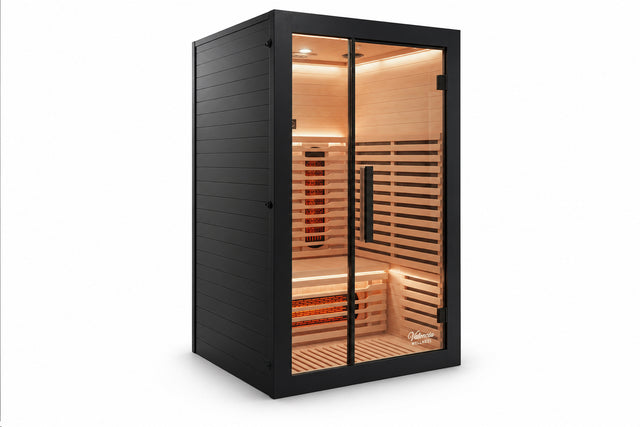
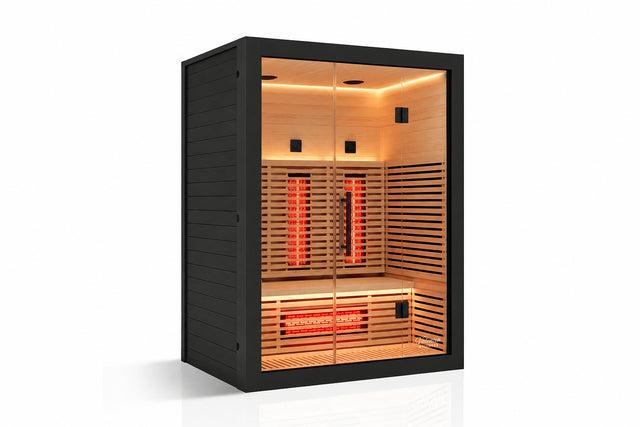
If you’re exploring premium home wellness pieces designed to feel at home alongside luxury furniture, you can view Valencia’s curated selection here: Wellness Series.
Frequently Asked Questions
What are the best infrared sauna materials for long-term durability?
The best infrared sauna materials for durability are stable interior wood, tempered glass, robust door seals, and well-protected heating panels, supported by precise assembly (tight joints, strong bench construction, and quality hinges/latches). In practice, build quality and fit-and-finish often predict lifespan better than any single “best wood” claim.
Does wood type change how an infrared sauna smells?
Yes—wood type can change sauna odor, and so can adhesives and finishes. Cedar is usually more aromatic, while many buyers find okoume and hemlock milder. If you’re scent-sensitive, look for low-odor wood choices and ask about low-VOC construction materials.
Is glass in an infrared sauna safe?
Quality infrared saunas typically use tempered safety glass, which is designed to break more safely than standard glass. Also pay attention to door alignment and gaskets; they help the door close securely and reduce drafts.
Do heating panels wear out over time?
Heating panels can wear over long periods, especially if they’re poorly protected or exposed to impact, dust buildup, or loose connections. Look for thoughtful panel placement, protective surfaces/guards, and designs that are serviceable if a component needs attention years later.
How do I know if a sauna is “premium” just from photos or a spec sheet?
Look for clues beyond specs: clean interior finishing, consistent panel seams, sturdy bench design, a well-sealed door, and clear details about tempered glass and heater coverage. When possible, confirm warranty terms and parts availability—premium brands usually support the product well after delivery.
Which interior wood is best: okoume or hemlock?
Okoume and hemlock can both be excellent when properly dried, finished, and assembled. Okoume often appeals to buyers who want a refined, modern look and mild scent, while hemlock is a popular, balanced choice with a lighter tone. Your best choice is the one that fits your scent sensitivity, design preference, and expectations for fit-and-finish.


