

In this article: Lumbar heat, massage zones, and recline positioning form a comfort “stack” that can feel dramatically different than a standard recliner—especially for nightly wind-down routines and long sitting sessions.
- Zero Gravity Recliner Angle Explained: How Recline Geometry Reduces Body Pressure
- Heat and Massage Recliners vs Standard Recliners: What Actually Changes in Daily Comfort
- How Lumbar Heat, Massage Zones, and Recline Positioning Work Together
- Power Headrest and Zero Gravity Seating: How Neck Angle Affects Long-Session Comfort
- Wellness Recliner Ergonomics: Seat Depth, Backrest Pitch, Arm Height, and Pressure Distribution
- Frequently Asked Questions
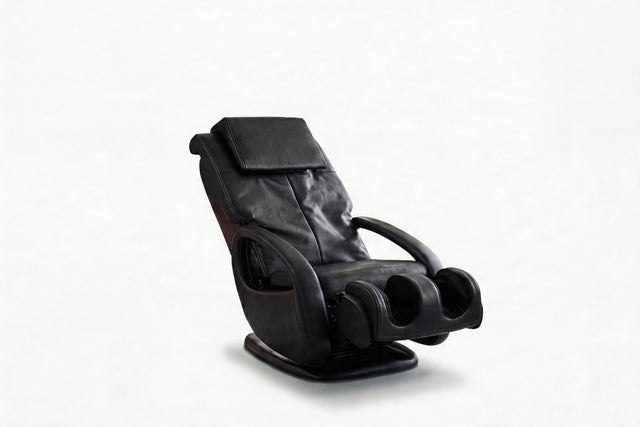
A lumbar heat massage recliner works best when three systems support each other: gentle lumbar warmth to help muscles relax, massage zones to deliver targeted coverage, and recline positioning (often including Zero Gravity-style angles) to reduce pressure so the body can fully settle in.
When these elements are used as a stack—not as isolated features—the experience tends to feel calmer, deeper, and easier to repeat every night. This guide breaks down how each layer works, how they interact, and how to choose the right setup based on your seating habits and nightly routine.
Quick Takeaways
• Recline first, then massage, then heat is a simple sequence that often feels most natural for a nightly wind-down.
• Recline changes pressure distribution, which can make massage feel more even and reduce the urge to “brace” against the rollers.
• Lumbar heat is most effective at low-to-moderate warmth over longer sessions, paired with gentle massage coverage.
• Zone coverage matters more than intensity if your goal is consistent comfort during long sitting sessions.
• Fit still wins: seat depth, head/neck angle, and arm height can make or break the benefits of heat + massage.
Zero Gravity Recliner Angle Explained: How Recline Geometry Reduces Body Pressure
Recline positioning is the foundation of the comfort stack because it changes how your body’s weight is supported. A well-designed recline angle can shift pressure away from common stress points—like the lower back, hips, and the back of the thighs—so you feel more “held” by the chair instead of perched on it.

What “Zero Gravity” style positioning is doing (in plain terms)
In many wellness recliners and massage chairs, Zero Gravity-style positioning aims to create a more balanced posture by elevating the legs and reclining the backrest so your weight is distributed across a larger surface area. This can feel especially helpful during longer sessions because it reduces localized pressure and encourages the muscles to stop guarding.
Why pressure reduction makes massage feel better
Massage rollers, vibration, or air compression feel more natural when your body isn’t fighting the chair. If you are upright with most of your weight concentrated at the seat and lumbar curve, you may tense up—especially when rollers move into the lower back. When you recline and pressure spreads out, massage often feels smoother and more consistent across zones.
How to check if the angle is “right” for you
• Your lower back should feel supported without a sharp arch.
• Your thighs should feel supported without strong pressure behind the knees.
• Your shoulders should stay relaxed (no shrugging up toward your ears).
• Your breathing should feel easy, not compressed.
If you’re shopping the Wellness Series, start by exploring the collection to compare recline capabilities and comfort features in one place: Wellness Series recliners.
Heat and Massage Recliners vs Standard Recliners: What Actually Changes in Daily Comfort
A standard recliner is primarily a positioning tool—it changes your posture and supports rest. A heat and massage recliner adds two active comfort systems that can help you unwind more reliably at the end of the day.

The “active” difference: your chair becomes part of your routine
With a standard recliner, comfort depends on cushioning and posture alone. With heat and massage, you can choose a session that matches how you feel tonight — tight, restless, or simply ready to decompress. For a full comparison of daily comfort differences, see Heat and Massage Recliners vs Standard Recliners.
Massage zones vs “one-spot” sensation
Many standard recliners may feel comfortable in one position but don’t address multiple areas of tension. A lumbar heat massage recliner typically divides the experience into zones (commonly upper back, lumbar, seat, and legs depending on the model). This matters because tension is rarely isolated to a single spot—especially after long desk hours or long evenings seated.
Heat is not just “warmth”—it changes the feel of massage
Gentle lumbar heat can make massage feel less abrupt by helping the tissues relax before and during the session. It’s not about high temperature; it’s about steady, comfortable warmth that supports a calmer, more settled feeling.
| Feature | Standard recliner | Heat & massage recliner |
|---|---|---|
| Primary benefit | Posture and rest | Posture + targeted comfort routine |
| Adjustability | Manual or power recline | Power recline + program control (varies) |
| Lower-back support | Passive cushioning | Lumbar positioning + heat support (varies) |
| Relief feel | Depends on cushioning fit | Zone-based coverage + warmth + recline synergy |
| Best for | Casual lounging | Nightly wind-down, long sitting, recovery-oriented comfort |
How Lumbar Heat, Massage Zones, and Recline Positioning Work Together
The most satisfying sessions in a lumbar heat massage recliner usually come from the interaction between the three systems. Think of it as a comfort stack:
• Recline positioning sets your posture and pressure distribution (the base layer).
• Massage zones provide targeted coverage across the areas that carry your day.
• Lumbar heat adds gentle warmth that supports relaxation and helps massage feel smoother.
Layer 1: Recline positioning reduces “guarding”
When you recline into a supportive angle, your body is less likely to tense up in response to pressure. That matters because massage feels better when muscles aren’t bracing. Practically, this can mean you can use a moderate intensity for longer—often more comfortable than short bursts of high intensity.
Layer 2: Massage zones improve coverage, not just intensity
Zone-based massage matters because comfort is rarely a single-point issue. A balanced session often includes:
• Upper back/shoulders to unwind from forward posture.
• Lumbar to address end-of-day tightness.
• Seat/hips to reduce the “compressed” feeling from sitting.
• Calves/feet (if included) to support full-body relaxation.
Even if your main concern is the lower back, a chair that only focuses on one area can feel incomplete. Coverage across zones is what tends to make the experience feel “finished.”
Layer 3: Lumbar heat supports a calmer, longer session
Lumbar heat is often best used as steady background support rather than a short, high-heat burst. In real-life nightly routines, it pairs especially well with gentle rolling or vibration because the warmth can make the overall sensation feel more fluid and less “mechanical.”
A simple routine: the “3-step stack” for nightly comfort
- Set your recline first (aim for a pressure-reducing angle where hips and back feel evenly supported).
- Start massage on low-to-medium intensity and let the first few minutes act like a transition from the day.
- Add lumbar heat once you feel settled, then keep it consistent through the session.
If you’re comparing models, start with the Wellness collection and then narrow to recliners that combine lumbar heat and multi-zone massage in a layout that matches your body size and sitting style: shop the Wellness Series.
Power Headrest and Zero Gravity Seating: How Neck Angle Affects Long-Session Comfort
Even the best lumbar heat massage recliner can feel “almost right” if your neck angle is off. During long sessions—watching a film, reading, or winding down before bed—small head and neck adjustments can determine whether your shoulders relax or creep upward.
Why head/neck angle changes the whole upper-body experience
If your head tilts too far forward, your upper back and shoulders may stay engaged, which can reduce the calming effect of massage. If it tilts too far back, you may feel strain at the base of the skull or difficulty finding a comfortable viewing angle.
What a power headrest adds (beyond convenience)
• Micro-adjustments while reclined, without changing your lower-body position.
• Better alignment for screens or reading, which helps you stay relaxed longer.
• More consistent massage contact through the upper back because you’re not subtly holding tension in the shoulders.
Quick fit check for long sessions
When reclined, you should be able to:
• Rest the back of your head comfortably without pushing your chin down.
• Keep shoulders relaxed against the backrest.
• Maintain a natural gaze angle (not straining up or down).
For a full guide on how power headrests improve long-session comfort in Zero Gravity, see Power Headrest and Zero Gravity Seating: How Neck Angle Affects Long-Session Comfort.
Wellness Recliner Ergonomics: Seat Depth, Backrest Pitch, Arm Height, and Pressure Distribution
Features matter, but ergonomics decide whether those features feel right on your body. If you’re investing in a lumbar heat massage recliner for nightly use, prioritize fit factors that keep pressure even and support consistent relaxation.
Seat depth: supports thighs without cutting behind the knees
If the seat is too deep, shorter users may slide forward, losing lumbar contact and turning heat + massage into a “miss.” If it’s too shallow, you may feel concentrated pressure under the thighs. The goal is steady thigh support with comfortable space behind the knee.
Backrest pitch: keeps lumbar contact consistent
Backrest pitch influences whether your lower back stays in comfortable contact as you recline. If the pitch doesn’t match your natural curve, you may shift position frequently—reducing massage precision and making heat less noticeable.
Arm height: reduces shoulder tension during long sessions
Armrests that are too low can cause the shoulders to droop forward; too high can cause shrugging. The right height helps your upper body settle so massage coverage feels more effective across the shoulders and upper back.
Pressure distribution: the quiet factor behind “ahh” comfort
Even pressure across the back and seat helps every other system work better. It supports longer sessions, more consistent massage feel, and a calmer experience with lumbar warmth.
| Ergonomic factor | What it affects | What to look for during a test sit |
|---|---|---|
| Seat depth | Thigh support, lumbar contact | Support under thighs with comfortable space behind knees |
| Backrest pitch | Lower-back feel, massage accuracy | Lumbar feels “met” without forcing an arch |
| Arm height | Shoulder/neck tension | Arms rest naturally; shoulders stay down and relaxed |
| Overall pressure distribution | Session length and comfort consistency | No single hot spots at tailbone, shoulder blades, or thighs |
For buyers who want a reliable nightly reset, start by choosing the right ergonomic fit, then match the comfort stack — recline, massage zone coverage, and lumbar heat — to how you actually sit. Our guide on wellness recliner ergonomics walks through seat depth, backrest pitch, and arm height in detail. Browse options here: Valencia Wellness Series.
Frequently Asked Questions
What should I use first in a lumbar heat massage recliner: heat or massage?
In most cases, recline first, then start massage, then add lumbar heat once you feel settled. Reclining helps reduce pressure, which can make massage feel smoother. Heat works well as steady background comfort during the session.
Does Zero Gravity positioning help lower-back comfort?
It can help by shifting pressure and distributing body weight more evenly across the chair. Many people find this makes it easier to relax into the backrest, which can improve the overall feel of massage and lumbar warmth.
How do massage zones change the experience versus single-area massage?
Massage zones improve coverage so the session feels balanced rather than concentrated in one spot. If your nightly routine includes long sitting, multi-zone coverage (upper back, lumbar, seat, and legs where available) often feels more complete and relaxing.
Is lumbar heat safe to use every night?
Many people use gentle heat regularly, but comfort and safety depend on your sensitivity, session length, and the product’s design. Use a comfortable warmth level, avoid falling asleep with high heat, and follow the manufacturer’s instructions. If you have medical concerns, consult a clinician for personalized guidance.
What matters more: stronger massage intensity or better recline positioning?
For long-session comfort, positioning often matters more. A supportive recline angle reduces the need to brace, which can make moderate massage feel better than high intensity in an upright posture.
What is the biggest buying mistake with a lumbar heat massage recliner?
Choosing features without checking ergonomic fit. If seat depth, backrest pitch, or head/neck angle don’t match your body, heat and massage can feel inconsistent. Fit first, then features.


