

In this article: If you’re weighing a heat and massage recliner vs standard recliner, here’s what changes in daily comfort—relaxation routines, after-work stiffness, recovery after long sitting, and the practical trade-offs (noise, power, upkeep).
- What “Daily Comfort” Really Means in a Heat and Massage Recliner vs Standard Recliner
- How Heat Changes Relaxation and Stiffness After Work
- How Massage Changes Recovery After Long Sitting
- Everyday Trade-Offs: Noise, Power, Controls, and Maintenance
- Quick Comparison Table: Heat & Massage vs Standard Recliners
- Who Should Upgrade (and Who Shouldn’t)
- How to Test One at Home: A Simple 7-Day Comfort Trial
- Frequently Asked Questions
The main difference in a heat and massage recliner vs standard recliner is that comfort becomes something you can “dial in” on demand—warming tight areas and adding rhythmic pressure—rather than relying only on cushioning and recline angle. In everyday use, that often shows up as an easier wind-down routine, less perceived stiffness after work, and a more restorative break after long periods of sitting.
That said, wellness features also introduce practical considerations a standard recliner simply doesn’t have: power access, mild mechanical noise, more settings, and a different set of maintenance expectations. If you’re deciding whether the upgrade is worth it, the most helpful question isn’t “Is it more comfortable?”—it’s “Will I use heat and massage often enough that it changes my day?”
Quick Takeaways
• Heat tends to improve the start of relaxation (you settle in faster) and can make end-of-day stiffness feel less pronounced.
• Massage adds “active comfort” through movement and pressure—especially helpful after long desk sessions or travel.
• Standard recliners can feel just as plush, but they don’t offer the same repeatable, routine-based relief (press a button, get the same session).
• Expect trade-offs: power placement, some noise/vibration, more controls, and more parts than a standard recliner.
• If you’ll use wellness features 3+ times per week, the upgrade is more likely to feel justified in daily life.
What “Daily Comfort” Really Means in a Heat and Massage Recliner vs Standard Recliner

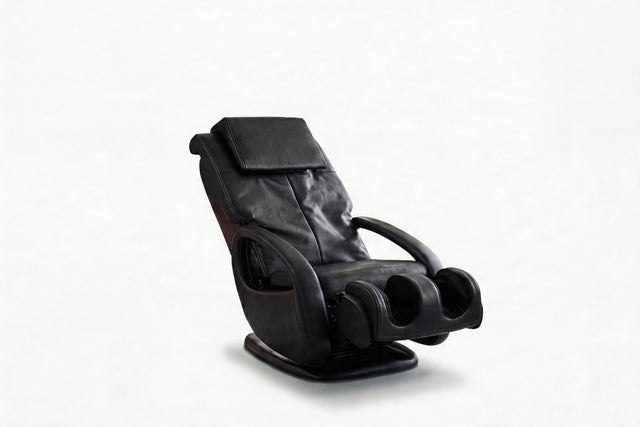
Daily comfort isn’t just “softness.” It’s the combination of:
• How quickly your body settles when you sit down (transition from tense to relaxed)
• How you feel after standing up (less tightness, less “locked” feeling)
• How long you can sit comfortably (movie nights, reading, gaming, post-work decompression)
• How consistent the comfort feels from day to day
A standard recliner primarily delivers comfort through foam density, seat shape, back support, and recline position. A heat and massage recliner adds two active inputs—warming and mechanical massage—so you can adjust the experience to how you feel that day.
Where standard recliners still win
• Simplicity: fewer settings, fewer moving parts, less to think about
• Placement flexibility: no need to be near an outlet
• Silence: no motors, rollers, or vibration modes
Where heat and massage recliners tend to feel different
• They create a routine: a predictable 10–20 minute session can become part of your evening
• They address “tight spots”: heat and massage target sensation, not just posture
• They can make short breaks feel longer: a quick session often feels more restorative than passive sitting
How Heat Changes Relaxation and Stiffness After Work
Heat in a recliner is usually delivered through heating elements in the lumbar/lower back area (sometimes extending wider depending on design). The everyday effect is less about “temperature” and more about how quickly your back stops guarding.

What heat tends to change in real-life routines
• Faster wind-down: warmth can feel like a signal to soften your posture and breathe more deeply.
• Less perceived stiffness: for many people, gentle warmth makes the lower back feel more pliable after commuting, standing, or desk work.
• Better “transition comfort”: that first five minutes after sitting down often feels notably better than in a standard recliner.
When heat matters most
• After long days of sitting (desk work, gaming, long drives)
• During colder months or in cooler rooms where muscles stay “tight” longer
• When your discomfort is more about tension than about needing a different cushion
Limitations to understand
Heat is not the same as a clinical therapy device. It’s best viewed as comfort heat: it can help you feel looser and more relaxed, but it’s not a replacement for medical care if you have an injury or persistent pain.
How Massage Changes Recovery After Long Sitting
Massage recliner functions typically use rollers, vibration, air compression, or a combination. In a daily context, the difference is that comfort becomes dynamic: instead of staying in one supported position, you get gentle movement and pressure changes that can make your back and hips feel less “stuck.”
What massage tends to change day to day
• Post-work reset: a short session can feel like you’re breaking up the “day’s posture,” especially if you sit with rounded shoulders or a tucked pelvis.
• More restorative breaks: 10–15 minutes with massage often feels more intentional than scrolling on the couch.
• Better long-session comfort: if your chair includes multiple zones, you can focus on the area that’s tight that day (upper back vs lumbar, for example).
What “massage” really feels like in a recliner
Compared with hands-on massage, recliner massage is typically rhythmic and consistent, and it’s most useful for relaxation and tension relief. The best experience is when intensity is adjustable enough that you can choose “barely there” on sensitive days and stronger pressure when you want it.
Who notices the difference most
• People who feel stiff after desk work, long drives, or travel
• Anyone who likes a structured evening routine (same session, same timing)
• Households where multiple users want different comfort profiles via presets or quick settings
Everyday Trade-Offs: Noise, Power, Controls, and Maintenance
A heat and massage recliner vs standard recliner comparison should include what you’ll live with, not just how it feels in a showroom.
Noise and vibration
• Expect some sound: motors, rollers, and vibration modes are usually audible in a quiet room.
• It’s rarely “loud,” but it is present: if you’re sensitive to background noise during reading or TV, this matters.
• Tip: choose adjustable intensity and mode options so you can keep sessions subtle at night.
Power requirements and placement
• You’ll need nearby outlet access for heat/massage (and often power recline/headrest, if included).
• Plan cable routing so it doesn’t become a trip hazard or get pinched during recline.
• If your space is tight, look for designs that support space-saving wall-hugging placement (model-dependent).
Controls and learning curve
• A standard recliner is immediate: sit, pull lever, recline.
• Wellness recliners can be simple, but they still have more settings (zones, heat on/off, time, intensity).
• If multiple people will use the chair, prioritize intuitive controls and easy-to-find “go-to” programs.
Maintenance expectations
• More features usually means more components (wiring, motors, control modules).
• Good everyday habits help: keep liquids away from controls, avoid yanking cords, and follow the manufacturer’s usage guidance for session length.
• Dust management matters: a cleaner environment can reduce wear on moving parts over time.
Quick Comparison Table: Heat & Massage vs Standard Recliners
| Comfort Factor | Heat & Massage Recliner | Standard Recliner |
|---|---|---|
| Relaxation speed (how fast you “settle”) | Typically faster due to warmth and rhythmic motion | Depends mainly on cushioning and recline angle |
| After-work stiffness feel | Often feels reduced with lumbar heat and gentle massage | Can feel supportive, but doesn’t actively address tension |
| Recovery after long sitting | Better for routine-based reset sessions | Comfortable, but passive |
| Long-session comfort (movies/reading) | Can be excellent, especially with adjustable zones and positioning | Often excellent if the fit is right; fewer adjustments |
| Noise | Some motor/roller/vibration noise is normal | Very quiet |
| Power needs | Requires outlet access | No power required (unless power recline model) |
| Complexity | More settings; more “dialing in” | Simple operation |
| Maintenance expectations | More components to care for over time | Fewer components; simpler upkeep |
Who Should Upgrade (and Who Shouldn’t)
A heat and massage recliner is usually worth it if...
• You feel tight or stiff after work and want a consistent way to decompress at home.
• You like a repeatable routine (10–20 minutes of heat/massage becomes part of your day).
• You sit for long stretches and want comfort that feels active, not just cushioned.
• You value adjustability more than absolute simplicity.
A standard recliner may be the better choice if...
• You prefer silence and minimal settings.
• Your comfort issues are mostly about fit (seat depth, back angle, head/neck support) rather than tension relief.
• The chair will be placed far from outlets, or you don’t want visible cords.
• You know you won’t use heat/massage regularly.
If you’re specifically shopping wellness seating, Valencia’s integrated approach is designed for everyday use. You can explore options in the Valencia Wellness Series collection to compare layouts, finishes, and wellness feature sets.
How to Test One at Home: A Simple 7-Day Comfort Trial
If you can test a chair at home (or simulate the routine you’d realistically follow), focus on repeatable moments:
- Day 1–2: After-work reset — Sit for 15 minutes before dinner. Note how quickly you feel your shoulders and lower back soften.
- Day 3–4: Long-sitting recovery — Use it after a long desk session or a drive. Notice how you feel when you stand up.
- Day 5: Quiet evening — Read or watch TV with massage off. Confirm it’s still a great recliner when features aren’t running.
- Day 6: Low-intensity session — Try the gentlest massage/heat settings. The best chairs are comfortable even when subtle.
- Day 7: Your default routine — Ask yourself: “Will I do this three times a week?” If yes, the upgrade is likely to pay off in daily comfort.
Frequently Asked Questions
Is a heat and massage recliner vs standard recliner difference noticeable every day?
Yes—if you use the features consistently. Heat and massage tend to be most noticeable in repeatable routines (after work, before bed, after long sitting). If you rarely turn the features on, the experience can feel similar to a standard recliner with good cushioning.
Do heat and massage recliners help with stiffness after work?
They can help reduce the feeling of stiffness by encouraging relaxation and easing tension. Gentle warmth and rhythmic massage often make it easier to unwind, especially after long periods of sitting or standing. For persistent pain or injury, consult a qualified professional.
Are massage recliners noisy?
Most produce some motor or vibration noise. The volume varies by mechanism and intensity level, but it’s normal to hear the chair working in a quiet room. If you’re sensitive to sound, test multiple settings and prioritize smoother, lower-intensity modes.
Do heat and massage recliners need a special outlet or wiring?
Typically no—most plug into a standard household outlet. The key is placement: ensure safe cable routing, avoid pinching the cord during recline, and keep the chair positioned so power access is convenient.
Is a standard recliner better for all-day sitting?
Not necessarily. A standard recliner can be excellent for long sessions if the ergonomics fit you well (seat depth, back angle, head/neck support). A heat and massage recliner may feel better for all-day sitting if you benefit from short “reset” sessions that break up tension.
What should I prioritize if I’m upgrading for daily comfort?
Start with fit and support, then add wellness features. Look for a seat depth that supports your legs, a backrest that matches your natural posture, and easy controls. Heat and massage are most satisfying when the underlying recliner comfort is already right. For long viewing sessions, a power headrest can also make a significant difference in neck comfort at deeper recline angles.


