

In this article: Dual massage mechanism chairs use two independent roller systems to work upper and lower back zones at the same time—improving coverage, consistency, and session flow with less repositioning.
- What a Dual Massage Mechanism Chair Actually Is
- How Independent Roller Systems Improve Coverage
- How Dual Mechanisms Feel Different vs. Single Mechanisms
- Who Benefits Most (and the Best Routines to Try)
- What to Check Before You Buy (Fit, Programs, Build)
- Frequently Asked Questions
A dual massage mechanism chair uses two independent sets of massage rollers to work different back zones simultaneously (typically upper back/shoulders and mid-to-lower back), which can improve coverage, maintain more consistent pressure, and reduce the need to “wait” for the rollers to travel from one area to another.
For many people, the biggest difference is simple: the massage feels more continuous and complete—especially on days when tension is split between the shoulders and the lower back. Instead of choosing which area gets attention first, a dual mechanism design can address both in one session, with fewer pauses and less repositioning.
Quick Takeaways
• Dual mechanisms can massage upper and lower zones at the same time, creating a steadier, more immersive session.
• Independent roller systems can improve “coverage density”—more areas receive meaningful work without waiting for roller travel time.
• Many users feel less need to shift, re-scan, or re-run programs to reach a specific sore spot.
• Best for mixed-tension days (desk posture + low-back tightness) and for people who want full-back consistency in shorter sessions.
• Fit and adjustability still matter: body scanning, roller intensity control, and track design can influence results as much as the second mechanism.
What a Dual Massage Mechanism Chair Actually Is
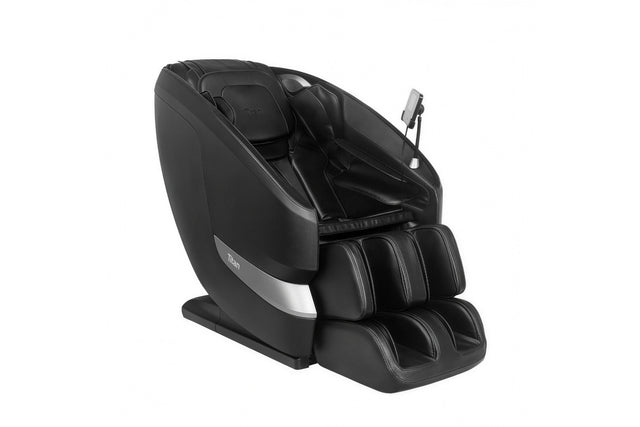
A dual massage mechanism chair is a massage chair built with two separate roller assemblies (two “mechanisms”) inside the backrest. Each mechanism has its own rollers and motor control, allowing it to perform movements—kneading, tapping, rolling, compression-style sequences—on its assigned zone.

Single vs. dual mechanism in plain terms
• Single mechanism: One roller system travels along the back track, moving up and down to treat different areas one at a time.
• Dual mechanism: Two roller systems can work at once, usually splitting the back into zones so the experience feels more continuous.
This design is often paired with other “precision” features—such as body scanning and multi-zone programs—because the chair can coordinate more than one massage action at the same time.
How Independent Roller Systems Improve Coverage
The main promise of dual mechanisms is not “more intensity.” It is more consistent, better-distributed work across your back.

1) Simultaneous upper and lower back coverage
Many people carry tension in two places at once: neck/shoulders from posture and screens, and lower back from long sitting or standing. A dual setup can address both zones in the same minute of your session, instead of alternating.
2) Less “dead time” from roller travel
With a single mechanism, part of your session is spent waiting as rollers travel from upper to lower regions. Dual mechanisms can reduce that waiting, which means:
• More time spent on actual massage work
• A steadier rhythm that feels more like hands-on care
• Fewer interruptions when transitioning between zones
3) More consistent pressure and technique continuity
When tension is spread across multiple regions, switching zones can make pressure feel inconsistent. Dual mechanisms can help maintain:
• Consistent contact across the back
• Continuous technique (for example, kneading above while rolling below)
• Better session “flow”, especially in shorter daily routines
4) Less repositioning to “chase” a tight area
With single mechanisms, it is common to rerun a program or manually move rollers to revisit a spot—especially if your upper back tightens while the chair is working lower down. Dual mechanisms can reduce that need by keeping multiple zones engaged at once.
Coverage vs. track design: an important distinction
Dual mechanisms improve how the chair uses massage time across zones, but the chair’s track still influences where rollers can reach. If you are comparing models, it helps to understand track length and curvature, too. (Related reading: SL-Track Massage Chairs: Why Track Length and Curvature Matter?)
How Dual Mechanisms Feel Different vs. Single Mechanisms
Most buyers describe the difference as layered and continuous. Here is what that often means in real use.
A more “complete back” sensation
Rather than feeling like the chair is “currently working one area,” dual mechanisms can make the back feel like it is being treated as a system—upper, mid, and lower regions staying engaged across the session.
Better balance for mixed-tension days
On days when your shoulders feel tight but your lower back also needs attention, a single mechanism may leave you choosing which area gets priority. Dual mechanisms can reduce that tradeoff.
Less temptation to crank intensity
When coverage is intermittent, some people raise roller intensity to “make it count” when the rollers reach a sore zone. With more consistent coverage, you may feel comfortable using a more moderate setting while still getting meaningful relief.
Not automatically “stronger”
Dual mechanism does not guarantee deeper pressure for everyone. Intensity still depends on:
• Roller design and spacing
• Motor strength and program tuning
• Padding density and chair fit
• User controls (depth, speed, width)
| Feature | Single Mechanism Chair | Dual Mechanism Chair |
|---|---|---|
| Upper/lower back work | Typically sequential | Often simultaneous (two zones at once) |
| Session flow | Can feel “travel-based” | More continuous and layered |
| Coverage density | Good, but time is split by travel | Higher potential coverage per minute |
| Repositioning needs | More common on mixed-tension days | Often reduced |
| Best fit | Great for targeted, one-zone focus | Great for full-back consistency and multi-zone tension |
Who Benefits Most (and the Best Routines to Try)
Dual massage mechanism chairs can be a smart choice if you want efficient, full-back sessions that feel consistent even when your tension moves around.
If you want a post-work decompression routine
After a long day, tension often sits in the shoulders while the lower back feels compressed. A simple routine to try:
• 10–15 minutes with a full-back program
• Moderate roller intensity (aim for “melt,” not “fight it”)
• Finish with gentle stretching off the chair for hips and chest
If you sit for long hours
Extended sitting can leave your upper back rounded and your lower back tight. Dual mechanisms can keep both areas engaged without you needing to manually chase the right zone.
If you share the chair
In a shared home, the win is often consistency. Different users may have different tension patterns, and dual mechanisms can help programs feel more “complete” without constant customization—especially when paired with body scanning. (Related reading: Massage Chair Body Scanning Technology: How Sensors Map Shoulder, Spine, and Back Position?)
If you prefer shorter sessions but still want full coverage
If you tend to use your chair in 8–15 minute windows, dual mechanisms can make those shorter sessions feel less “partial.” You spend more of the session receiving coverage, not waiting for repositioning.
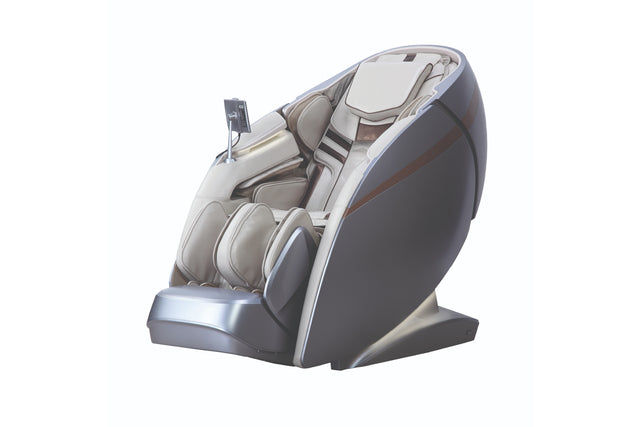
If you are exploring premium options designed around multi-zone comfort, you can browse Valencia’s Wellness Series massage chairs for models that emphasize advanced coverage and refined daily use.
What to Check Before You Buy (Fit, Programs, Build)
Dual mechanisms are meaningful, but the best experience comes from the whole system working together.
1) Body scanning accuracy and adjustability
Look for controls that let you fine-tune roller position and intensity. A strong scan helps ensure rollers land where your body actually is—especially at the shoulders and along the spine’s natural curve.
2) Program design: can you control zones?
Ask whether the chair allows zone emphasis (upper, mid, lower) and whether dual mechanisms are used intelligently within programs. The best sessions feel coordinated, not chaotic.
3) Roller depth, speed, and “feel” options
Different days call for different styles. If you want a clearer understanding of roller intensity and comfort, compare chair styles here: Deep Tissue vs Relaxation Massage Chairs: How Roller Depth, Speed, and Pressure Differ?
4) Lower-body recovery features (feet and calves)
For many routines, full-body relaxation depends on lower-leg circulation and foot comfort. If that is a priority, explore: Foot and Calf Massage Systems: Rollers, Airbags, Heat, and Compression Zones?
5) Space planning and daily usability
Premium chairs are designed to become part of your routine. Before buying, consider:
• Where the chair will live (traffic flow, outlets, viewing angle)
• How quickly you can start a session (simple controls matter)
• Noise level and overall “calm” of operation
Frequently Asked Questions
Is a dual massage mechanism chair worth it?
A dual massage mechanism chair can be worth it if you often feel tension in both your upper back/shoulders and lower back and want a more continuous, full-back session. If your needs are mostly one-zone or you prefer slower, single-area focus, a well-designed single mechanism chair can still be an excellent choice.
Does dual mechanism mean the massage will be stronger?
Not necessarily. Dual mechanisms mainly improve coverage and consistency, while “strength” depends on roller depth settings, program design, padding density, and how well the chair fits your body.
Will two roller systems feel overwhelming?
It can if intensity is set too high at first. Many people prefer starting with moderate depth and letting the chair build a steady rhythm. When properly tuned, dual mechanisms typically feel more balanced than aggressive.
Do dual mechanisms replace body scanning?
No. Body scanning still matters because it helps place rollers accurately along your shoulders and spine. Dual mechanisms can enhance coverage, but a precise scan improves comfort and consistency.
What’s the biggest practical advantage day-to-day?
The biggest daily advantage is less waiting and less repositioning. Dual mechanisms can keep more of your back engaged at once, making 10–15 minute sessions feel more complete.


