

In this article: White glove delivery Canada furniture is designed to remove the heavy lifting—appointment scheduling, room-of-choice placement, and packaging removal—but timelines and access rules vary by city and building type.
- What “White Glove Delivery” Typically Includes in Canada
- Timeline & Scheduling: How Delivery Appointments Usually Work
- Access Constraints That Affect White Glove Delivery (Condos, Stairs, Parking)
- White Glove Delivery City by City: What to Expect
- How to Prepare Your Home (City-Specific Prep Checklist)
- What Happens on Delivery Day (Step-by-Step)
- Frequently Asked Questions
White glove delivery Canada furniture services typically include scheduled delivery, room-of-choice placement, basic assembly where applicable, and removal of packaging—so you can enjoy your furniture without the stress of moving large boxes through tight Canadian entryways. The details can vary by carrier, city logistics, and building rules, so the smartest approach is to prepare for access, elevator bookings, and parking realities before your appointment.
If you’re shopping premium, oversized pieces (like wellness seating and massage chairs), delivery anxiety is common—and understandable. Many Canadian homes have narrow stair turns, split-level landings, or condo loading-dock requirements that can change how a delivery is completed. This guide sets clear expectations city by city, plus practical prep tips that protect your time, your space, and your new furniture.
Quick Takeaways
• Expect a scheduled appointment window.
Not a surprise curbside drop—confirm phone number access for day-of updates.
• Room-of-choice placement depends on access.
Stairs, tight corners, elevator rules, and parking/loading constraints.
• Condo deliveries often require extra coordination.
Elevator bookings, COI (certificate of insurance), and approved time slots.
• Urban cores (Toronto, Vancouver, Montreal).
Typically have tighter parking/loading limits that can affect timing.
• Pre-measuring and clearing pathways.
It is the simplest way to avoid reschedules, added fees, or “left at lobby” outcomes.
1. What “White Glove Delivery” Typically Includes in Canada

While inclusions can vary by provider, white glove delivery for furniture in Canada generally aims to make the last-mile experience calm and hands-off. For large, premium items, you can usually expect some combination of:
• Appointment scheduling with a delivery window (often confirmed 24–48 hours in advance).
• Room-of-choice placement (bringing the item into the room you choose, when access allows).
• Packaging removal (taking away cardboard, foam, and wrap—reducing clutter right away).
• Basic setup (positioning, leveling, or attaching simple components if required and included by the service).
• Condition check at handoff (a quick look for visible shipping damage before the team leaves).
Important: “White glove” does not always mean complex assembly, electrical work, or removal of old furniture. If you need those services, confirm them before scheduling.

If you’re browsing premium wellness seating, you can explore options in Valencia’s Wellness Series here: Wellness Series.
2. Timeline & Scheduling: How Delivery Appointments Usually Work
Typical timeline (what’s normal, and what isn’t)
For white glove delivery Canada furniture orders, delivery timing depends on inventory location, linehaul transit, and local last-mile capacity. In practical terms:
• Metro areas often have more frequent delivery routes—but tighter building and parking constraints.
• Smaller cities and rural addresses may have fewer route days, so the “final mile” can add time even if freight arrives quickly.
How appointment scheduling usually happens
Most teams follow a predictable sequence:
- Order ships / arrives at local hub.
- Carrier contacts you to offer appointment dates (phone, SMS, or email).
- You confirm the delivery window and any building requirements (elevator booking, parking instructions, buzzer code).
- Day-of communication provides a narrower ETA.
Common reasons appointments get delayed
• Weather disruptions (not uncommon in winter across the Prairies, Ontario, Quebec, and Atlantic Canada)
• Condo elevator availability or building move-in/move-out blackout periods
• Downtown parking/loading restrictions
• Access issues discovered on arrival (tight stairs, low clearance, or insufficient turning radius)

3. Access Constraints That Affect White Glove Delivery (Condos, Stairs, Parking)
White glove delivery works best when the delivery team can move safely and efficiently. In Canadian cities, these constraints matter most:
Condos and high-rises
• Elevator booking: Many buildings require a reserved service elevator time slot.
• Loading dock rules: Height limits, time limits, and mandatory check-in with concierge/security.
• Certificate of Insurance (COI): Some condos require it before allowing movers in.
• Protected flooring/walls: Buildings may require corner guards or elevator pads (often provided by the building, sometimes by movers).
Stairs, turns, and tight corridors
Narrow staircases and tight 90-degree turns are common in older homes (Toronto, Montreal) and many split-level suburban layouts. Measure:
• Doorway width (including trim)
• Hallway width
• Stair width and ceiling clearance
• Landing depth and turn clearance
Parking and curb access
Downtown cores often have limited stopping zones. If a truck can’t legally park close, the team may need a longer carry distance, which can impact timing or feasibility. When possible, plan:
• A reserved loading spot
• Temporary parking permit (city-dependent)
• Clear access to the building entrance
4. White Glove Delivery City by City: What to Expect
The core experience of white glove delivery Canada furniture is consistent—scheduled drop-off, careful handling, room placement when accessible. The differences below reflect typical urban realities that affect timing, access, and coordination.
| City / Region | Typical realities that affect delivery | What to do before your appointment |
|---|---|---|
| Greater Toronto Area (Toronto, Mississauga, Brampton, Vaughan) | High condo volume, strict elevator bookings, dense traffic, limited downtown parking/loading. | Book service elevator, confirm dock hours, share buzzer/concierge instructions, and secure a legal loading spot if possible. |
| Vancouver & Lower Mainland (Vancouver, Burnaby, Richmond, Surrey) | Condo towers, narrow streets in some neighbourhoods, frequent loading constraints, rain-season scheduling sensitivity. | Confirm loading dock access and elevator reservation; protect entryway floors; clear a wide path indoors (wet shoes/weather). |
| Calgary | Suburban access is often simpler; downtown condos still require bookings; winter storms can shift routes. | In winter, keep driveways/walkways cleared and de-iced; confirm garage/driveway access for closer unloading. |
| Edmonton | Similar to Calgary with added winter intensity; some neighbourhoods have longer driveway approaches. | Ensure pathways are shoveled and salted; confirm stair clearance for basement placements. |
| Montreal | Older buildings with tight stairwells, narrow corridors, walk-ups, and dense street parking; French-language building communication may apply. | Measure stair turns carefully; plan street parking/loading; confirm intercom access and any building moving rules. |
| Ottawa–Gatineau | Mix of suburban homes and condos; government/urban-core traffic patterns can affect ETAs. | Share clear entry instructions; if condo, pre-book elevator and confirm time restrictions. |
| Winnipeg | Winter conditions can significantly affect timelines; suburban access is often straightforward. | Prepare for weather flexibility; clear and de-ice steps; ensure entry mats and floors are dry to prevent slipping. |
| Halifax | Historic areas with narrow streets and limited parking; coastal weather may cause delays. | Confirm parking/loading options; keep a buffer day in your schedule during storm-prone weeks. |
If you’re planning a full home theatre build in Canada, you may also find these guides helpful: Home Theatre Seating in Canada: Everything You Need to Know Before You Buy and The Canadian Basement Home Theatre: A Practical Seating Guide.
5. How to Prepare Your Home (City-Specific Prep Checklist)
Preparation is the quiet difference between a smooth room-of-choice setup and a stressful reschedule. Use the checklist that fits your home type.
Condo / high-rise prep (Toronto, Vancouver, Montreal, Ottawa)
• Book the service elevator for the full window (add buffer time).
• Ask about COI requirements and submit paperwork early if needed.
• Confirm loading dock access (height limits, entry point, and check-in process).
• Clear the route from elevator to unit (rugs, décor, narrow corners).
• Protect floors if your building requires it.
Older homes and walk-ups (common in Toronto & Montreal)
• Measure the tightest point: stair turns, landings, doorframes with trim.
• Remove obstacles (shoe racks, console tables, hallway art).
• Plan for street parking and reduce carry distance where possible.
Suburban homes (common in Calgary, Edmonton, many GTA suburbs)
• Clear driveway space so the truck can get close.
• Measure basement stairs if your setup is downstairs (ceiling height and landing depth matter).
• Move pets to a quiet room to keep the path safe and calm.
Winter-specific prep (Prairies, Ontario, Quebec, Atlantic Canada)
• Shovel and de-ice steps, walkways, and driveways.
• Dry entry floors to prevent slips and protect flooring.
• Build timing flexibility around storms (especially for route-based deliveries).
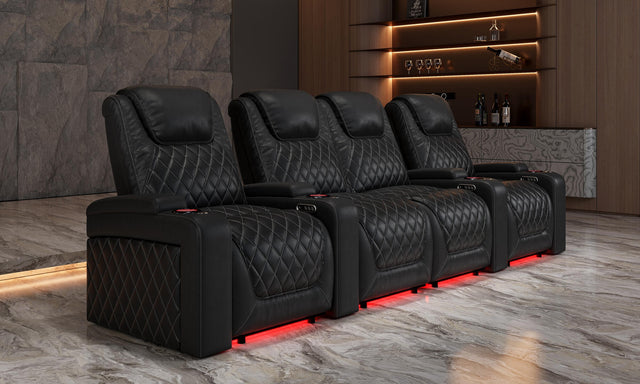
6. What Happens on Delivery Day (Step-by-Step)
- Arrival/ETA call or text: You’ll typically get a heads-up as the team approaches.
- Access confirmation: Concierge, buzzer, elevator, parking, and the path to the room are confirmed.
- Careful move-in: The team brings the item inside and navigates hallways/stairs as planned.
- Room-of-choice placement: The piece is set where you want it (when access allows).
- Packaging removal: Cardboard and protective materials are removed per service scope.
- Final check: You confirm condition and placement before the team departs.
If you’re still deciding what fits your space best, explore premium options in the Wellness Series, designed to bring a calmer, more restorative routine home.

Frequently Asked Questions
Does white glove delivery in Canada include assembly?
\1 Confirm in writing whether assembly is included, and what “setup” means (positioning, attaching components, powering on, etc.).
Will the delivery team bring furniture upstairs or into a basement?
\1 Stairs, turns, ceiling height, and landing space are the usual limiting factors. If your space is tight (older homes or basement staircases), pre-measure the narrowest points to avoid day-of surprises.
Do condo buildings in Toronto or Vancouver require special paperwork?
\1 Ask your concierge or property manager what’s needed before the delivery is scheduled, then share those requirements with the carrier.
What if the truck can’t park close to my building downtown?
\1 In some cases, it may require rescheduling to a time when loading access is available. If your building offers a loading dock, provide exact instructions and time limits in advance.
What should I do if there’s visible damage to the packaging?
\1 Take clear photos of the packaging and any visible product damage, and keep documentation of the delivery appointment and condition notes.
How can I reduce the chance of a reschedule?
\1 Elevator bookings, parking plans, cleared hallways, and accurate measurements prevent most failed deliveries—especially in condos and older urban homes.


