

In this article: Zero gravity recliner angle isn't a single fixed number — it's a recline geometry that balances backrest angle, seat tilt, and leg elevation to spread body weight more evenly and reduce pressure at the lower back, hips, and calves.
- What "Zero Gravity" Really Means in Recliners
- Zero Gravity Recliner Angle: The Geometry That Changes Pressure
- Why Small Angle Differences Feel So Different (Lower Back, Hips, Calves)
- How to Evaluate Zero Gravity in a Wellness Recliner (Buying Checklist)
- Frequently Asked Questions
A "zero gravity recliner angle" is best understood as a coordinated recline position — where the backrest opens, the seat subtly tilts, and the legs elevate so your body weight distributes across a larger surface area. The result is often a noticeable reduction in pressure at the lower back, hips, and calves, especially during long sitting sessions.
Importantly, "zero gravity" in seating is not about true weightlessness. It's about recline geometry that can help your body feel more supported and less compressed — without making medical claims or promising specific outcomes.
Quick Takeaways
• Zero gravity is a recline geometry, not one fixed angle.
It depends on how the backrest, seat pan, and footrest move together.
• Leg elevation is a major lever for comfort.
Raising the legs can reduce the pull you feel in the lower back and the pressure under the thighs.
• Small angle differences can change pressure points.
A few degrees of seat tilt or backrest pitch can shift load between hips, lumbar area, and calves.
• Look for stable support, not maximum recline.
The most comfortable zero gravity position is usually the one you can hold without sliding or calf pinch.
• For long sessions, adjustability matters more than a spec.
Power controls, smooth transitions, and a supportive footrest often matter more than chasing an exact angle number.
1. What "Zero Gravity" Really Means in Recliners
In a recliner, "zero gravity" typically refers to a position inspired by the neutral-body posture used to help astronauts manage loading forces. In home seating terms, the idea is simple: recline in a way that reduces concentrated pressure by distributing weight more evenly.

The three moving pieces that define "zero gravity"
• Backrest angle: How far your torso reclines relative to the seat.
• Seat pan tilt (seat-to-floor pitch): Whether the seat subtly tilts back to keep you cradled instead of sliding forward.
• Leg elevation / footrest height: How high the calves and feet lift relative to the hips (comfort-focused, not a medical promise).
When these three elements are coordinated well, many people describe a "floating" feel: less pressure at the sit bones, reduced compression in the lower back area, and less fatigue from holding posture.
If you're shopping specifically for this kind of long-session comfort, it can help to start with recliners designed around wellness positioning. You can explore options in our Wellness Series recliners, where zero gravity-style positioning is a common focus.
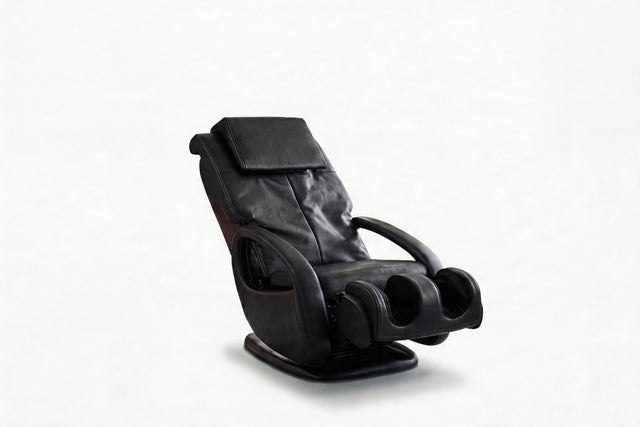
2. Zero Gravity Recliner Angle: The Geometry That Changes Pressure

Shoppers often search for "the" zero gravity recliner angle, but comfort doesn't come from one number. It comes from how the angles work together — especially around the hips and knees.
Why geometry matters more than "how far it reclines"
A recliner can go far back and still feel uncomfortable if:
• Your hips take most of the load (pressure at sit bones).
• Your lower back is left unsupported as the backrest opens.
• The footrest creates a pressure ridge under the calves.
• You slide forward as the chair reclines (a common cause of tailbone pressure).
A simple way to visualize zero gravity recline geometry
Think of comfort as a balance between opening and cradling:
• Opening happens as the backrest reclines and the hip angle increases.
• Cradling happens when the seat tilt and leg elevation keep you supported so your weight spreads out rather than concentrates.
| Geometry element | What you feel when it's right | What you feel when it's off |
|---|---|---|
| Backrest recline | Upper back and shoulders can relax without "hanging" | Lower back feels unsupported; neck strains to find a neutral angle |
| Seat pan tilt | You stay gently set into the chair without sliding | Forward slide; tailbone pressure; need to brace with legs |
| Leg elevation | Less pull through hips/thighs; calves feel supported | Calf pinch; pressure behind knees; footrest feels too short or too high |
In practice, a well-designed zero gravity recline is the one that lets your body settle into a stable, supported posture — without requiring constant readjustment.
3. Why Small Angle Differences Feel So Different (Lower Back, Hips, Calves)
In seating, a few degrees can be the difference between "I could sit here for an hour" and "I'm shifting every five minutes." That's because small angle changes can move pressure from one area to another.
Lower back: support vs. gap
As a recliner opens, your pelvis and spine relationship changes. If the chair's geometry creates a small gap at the lumbar area, you may feel like you need to tense up to stay comfortable. A better geometry helps you feel supported through the mid-back as you recline — so relaxation feels natural rather than forced.
Hips: where load concentrates first
The hips are often the first place people notice pressure in a recliner. A slight increase in seat tilt and a more balanced recline can spread load across the back and seat, so the hips don't "carry" the session alone. This is one reason two chairs that both advertise zero gravity can feel dramatically different.
Calves: the hidden pressure point
Leg elevation is essential for the zero gravity feel, but it's also where discomfort can show up if the footrest design isn't supportive. If the edge of the footrest lands in the wrong spot, you can feel a concentrated band of pressure behind the knees or along the calves. A smoother, more supportive footrest surface and better alignment reduce that pinch sensation.
If your routine includes extended lounging, reading, or TV time, consider features that help you fine-tune posture — like power adjustments and supportive cushioning. Browse Wellness Series wellness recliners for designs built around long-session comfort.
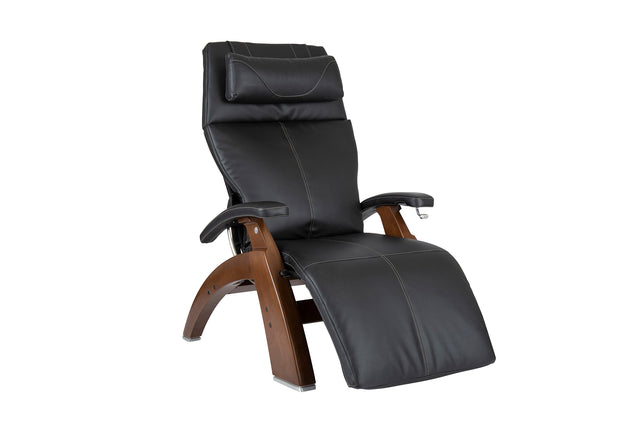
4. How to Evaluate Zero Gravity in a Wellness Recliner (Buying Checklist)
To judge a zero gravity recliner angle in real life, focus on what your body is telling you in the position — not just what the product description calls it.
1) Check for "sliding" within the first 30 seconds
Recline into the zero gravity position and notice whether your body stays set, or whether you slide forward. Sliding usually means the seat tilt and backrest pitch aren't cradling you effectively at that angle.
2) Map pressure: hips, lumbar area, calves
• Hips: Do you feel a single concentrated point, or an even spread?
• Lower back area: Do you feel supported, or do you feel a gap that makes you tense?
• Calves/behind knees: Any pinching or sharp edge pressure?
3) Test micro-adjustments (this is where comfort is won)
Small changes — slightly more leg elevation, a touch less backrest recline — can dramatically change perceived pressure. Chairs that allow smooth, precise adjustments tend to perform better for shared households and long sessions, because each person can find their own neutral position.
4) Consider how your head and neck will sit at that angle
Even if the torso feels perfect, neck comfort can break the experience. If your head tips forward or you need a pillow to stay neutral, look for chairs with a power headrest or better upper-back support.
5) Prioritize stability and support over "deepest recline"
The best zero gravity position is the one you can hold comfortably. If a chair reclines very far but creates calf pinch, lumbar gaps, or sliding, you'll stop using that feature. A balanced geometry often delivers the most satisfying everyday comfort.
Frequently Asked Questions
Is there one ideal zero gravity recliner angle?
No. The ideal zero gravity recliner angle depends on coordinated geometry — backrest recline, seat tilt, and leg elevation — plus your height, weight distribution, and preferred posture. Two chairs can feel completely different even if they list similar recline ranges.
Why does zero gravity feel like it reduces pressure?
Zero gravity positioning can feel like it reduces pressure because it spreads body weight across a larger contact area and changes where load concentrates — often away from the hips and lower back. It's a comfort and ergonomics effect, not a medical treatment.
What should my legs feel like in a good zero gravity position?
Your legs should feel supported without a sharp ridge behind the knees. If you feel calf pinch or pressure behind the knee, the footrest height, length, or angle may not match your body — try micro-adjustments or consider a different footrest design.
Is "zero gravity" the same as "fully reclined"?
No. Fully reclined usually means maximum backrest recline. Zero gravity is about a balanced posture where the seat, backrest, and leg support work together to create a stable, evenly supported feel. Maximum recline without proper seat tilt and leg elevation can actually increase pressure points.
How do I know if a zero gravity recliner will be comfortable for long sessions?
Look for stability (no sliding), even pressure distribution across hips, lumbar, and calves, and adjustability that lets you fine-tune the position. For long-session lounging, wellness-focused designs help — explore Wellness Series recliners to compare comfort-first positioning options.
What's the difference between a zero gravity recliner and a standard recliner?
A standard recliner typically tilts the backrest back while the seat stays flat or only slightly adjusts. A zero gravity recliner coordinates backrest angle, seat pan tilt, and leg elevation together — so the whole body is supported in a position that reduces pressure concentration rather than just laying you back.
Does zero gravity positioning help with lower back discomfort?
Many people find that well-executed zero gravity geometry helps their lower back feel less compressed during long sitting sessions — because the recline spreads load and reduces the lumbar gap that can appear in poorly designed chairs. This is a comfort effect; it is not a medical treatment or substitute for professional advice.


