

In this article: If you’re deciding between a deep tissue massage chair vs relaxation, this guide breaks down how roller depth, speed, and pressure actually feel—and how to choose comfort that’s strong enough without becoming uncomfortable.
- What “Deep Tissue” and “Relaxation” Mean in a Massage Chair
- Roller Depth & Protrusion: The Biggest Difference You’ll Feel
- Speed Patterns & Technique: Slow Compression vs Faster Soothing
- Airbag Intensity, Compression, and the “Whole-Body” Effect
- How to Choose (and Dial In) Intensity for Comfort
- Frequently Asked Questions
The main difference between a deep tissue massage chair vs relaxation is how the chair delivers intensity: deep tissue models emphasize deeper roller protrusion, slower and more deliberate techniques, and firmer sustained pressure, while relaxation chairs prioritize gentler roller contact, smoother rhythm, and lighter compression that’s easier to enjoy daily.
For many premium shoppers, the goal is simple: a massage that’s strong enough to feel like it’s working, without discomfort that makes you stop the session early. Below, you’ll find a practical decision framework—especially useful if multiple people share the chair and need easy adjustability.
Quick Takeaways
• Roller depth/protrusion is the most important factor for “deep” feel—more than the massage program name.
• Deep tissue tends to use slower, sustained pressure; relaxation favors smoother pacing and lighter contact.
• Airbags can add intensity without “digging”, but high compression can feel too firm if not adjustable.
• Shared-use homes should prioritize adjustability (intensity steps, targeted zones, and body scan accuracy) over maximum strength.
• Dial intensity safely by starting low, increasing gradually, and using cushioning/zone controls—especially around shoulders and low back.
What “Deep Tissue” and “Relaxation” Mean in a Massage Chair
In a therapist’s hands, “deep tissue” typically means slower work with sustained pressure aimed at deeper layers of muscle. In a massage chair, it’s more precise to think in terms of mechanical contact and control—how far rollers can press into the back, how quickly they move, and how strongly airbags compress.


Deep tissue in a chair (what it usually feels like)
• More pronounced roller contact (you feel the rollers distinctly through the upholstery).
• Slower, deliberate technique (kneading, pressing, and hold-like movements).
• Higher intensity ceiling for users who want strong shoulder, mid-back, or lumbar work.
Relaxation in a chair (what it usually feels like)
• Softer roller feel with a more gliding, soothing sensation.
• More consistent rhythm designed for calm and stress relief.
• Lower risk of “too intense” for sensitive users or daily sessions.
Important nuance: “Deep tissue” does not automatically mean “better.” The best choice is the one you’ll use consistently—comfortably.
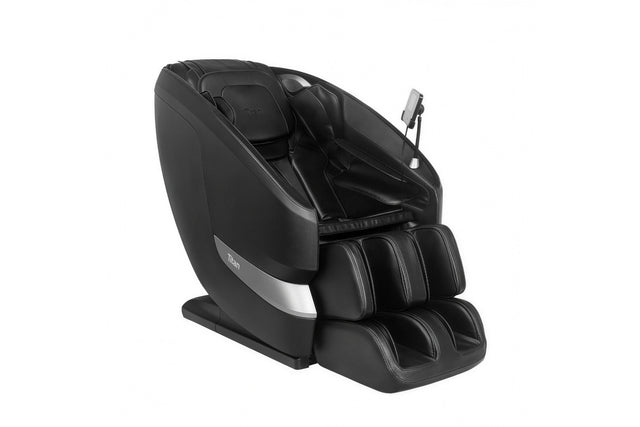
Roller Depth & Protrusion: The Biggest Difference You’ll Feel
If you remember only one spec-related idea, make it this: roller depth (how far the rollers can protrude toward your back) is the #1 driver of perceived intensity. A chair can have many programs, but if the roller system can’t create meaningful depth, it won’t feel “deep” in the way most buyers expect.

What deeper roller protrusion does
• Creates a more targeted, “thumb-like” pressure, especially along the spine and shoulder blades.
• Helps the chair feel effective even through thicker clothing or for users with more tissue over the back.
• Can feel too direct for bony areas (spine, scapula edges) if not adjustable.
What gentler roller depth does
• Feels more forgiving across different body types.
• Encourages longer sessions and more frequent use.
• May feel “not strong enough” for users who want focused intensity in knots or tight bands (especially upper back).
Buying guidance: depth without discomfort
For most households, the ideal is not “maximum depth.” It’s a wide intensity range—a chair that can feel gentle on day one, then build to stronger work as you learn your preferences. Look for:
• Multiple intensity levels (not just on/off strong).
• Zone and point targeting (so intensity is applied where you want it, not everywhere).
• Accurate body scanning (so rollers land on muscle, not bone).
If you’re exploring Valencia’s Wellness Series, begin with the models that emphasize fine-tuned adjustability—the most reliable path to “strong enough” without the sharpness that turns a session into a test of endurance. You can browse the collection here: Wellness Series massage chairs.
Speed Patterns & Technique: Slow Compression vs Faster Soothing
Speed changes the emotional tone of a massage—and the physical sensation. In a deep tissue massage chair vs relaxation comparison, speed is often the difference between therapeutic, slow pressure and comfort-first rhythm.
Deep tissue speed patterns
• Slower passes along the back to maintain consistent pressure.
• Intentional holds or reduced travel speed in tight areas.
• Stronger kneading cadence that can feel more “working” than “soothing.”
Relaxation speed patterns
• Smoother, flowing motion that feels like a continuous glide.
• Moderate speed that reduces the “digging in” sensation.
• More uniform pacing—ideal for evening use or winding down.
How to choose based on your routine
• If you want a chair for post-workout recovery or stubborn shoulder tension, prioritize slower, more deliberate techniques with strong adjustability.
• If you want a chair for daily decompression, stress relief, and sleep-friendly sessions, prioritize smooth pacing and comfort-focused programs.
Airbag Intensity, Compression, and the “Whole-Body” Effect
Rollers do most of the “back work,” but airbags shape the overall experience—especially in the arms, hips, calves, and feet. They also influence how intense a chair feels, even when roller depth stays the same.
How airbags differ in deep tissue vs relaxation experiences
| Element | Deep tissue-leaning feel | Relaxation-leaning feel |
|---|---|---|
| Compression strength | Firmer squeeze, more “locked-in” sensation | Gentler hug, less pressure on joints |
| Rhythm | Slower inflate/deflate for sustained compression | Smoother cycles that feel calming |
| Coverage | Often paired with stronger calf/foot work | Often balanced to avoid overstimulation |
| Best for | Users who want a more “sport recovery” feel | Users who want soothing, everyday comfort |
When airbags make a chair feel “too intense”
• High compression on calves/feet can feel overwhelming if you’re sensitive or prone to cramping.
• Strong shoulder/arm squeeze can feel restrictive if you prefer lighter touch.
Look for independent air intensity controls (separate from roller intensity) so you can keep a stronger back massage while softening limb compression—or the reverse.
How to Choose (and Dial In) Intensity for Comfort
Choosing between a deep tissue massage chair vs relaxation comes down to two questions: What intensity do you enjoy today? and How much adjustability do you need for long-term use?
A simple decision framework
• Choose a deep tissue-leaning chair if you:
- Consistently feel tight in shoulders, mid-back, or low back and want a stronger, more targeted sensation.
• Prefer slower, deliberate pressure over faster soothing motion.
• Are comfortable learning controls and dialing intensity with precision.
-
Choose a relaxation-leaning chair if you:
• Want a calming, sleep-friendly massage you can enjoy most days.
• Are sensitive to direct roller pressure or have tender bony areas.
• Prefer “set it and unwind” programs over frequent adjustments.
-
Choose maximum adjustability (regardless of category) if you:
• Share the chair with a partner or family members with different tolerance levels.
• Want both: deep relief some days and gentle comfort on others.
How to dial intensity safely and comfortably
Massage chairs can deliver strong pressure. The goal is restorative comfort, not grit. Here are practical ways to ease into intensity:
• Start at the lowest intensity for your first few sessions, then increase one step at a time.
• Use targeted zones instead of full-back intensity if a specific area feels sensitive.
• Reduce speed before increasing depth—slower techniques often feel deeper without needing maximum protrusion.
• Use a comfort pad (if included) when you want a softer roller feel, especially over the shoulder blades.
• Keep sessions shorter at higher intensity; extend time only if your body responds well.
If you’re unsure, prioritize a chair that offers a broad comfort range—so you can move from relaxation to deeper work as needed. Explore options designed for a refined, therapeutic experience at home: Valencia Wellness Series.
Frequently Asked Questions
Is a deep tissue massage chair supposed to hurt?
A deep tissue massage chair should feel intense but controllable, not painful. Discomfort usually means the roller depth, speed, or placement is too aggressive. Lower intensity, slow the technique, add cushioning (if available), and use body scan/targeting features so rollers work on muscle rather than bony areas.
What matters more: roller depth or roller speed?
Roller depth matters more for “deep” feel, while speed shapes how soothing or forceful the massage feels. Many users find the most comfortable “deep” result by using moderate depth with a slower technique rather than maximum depth at a fast pace.
Do airbags count as deep tissue massage?
Airbags don’t replicate deep tissue the same way rollers do, but they can provide firm compression and circulation-style relief that feels deeply restorative. For many people, a balanced combination—stronger rollers with moderate airbags—creates the best overall comfort.
Which is better for shared use: deep tissue or relaxation?
For shared use, the best choice is usually the chair with the widest adjustability range. A model that can scale from gentle to strong (roller intensity, speed, zones, and air compression) tends to satisfy more body types and tolerance levels than a chair tuned only for maximum strength.
How do I know if a chair will feel “strong enough” without trying it?
Look for clear evidence of intensity control and targeting: multiple roller intensity steps, adjustable speed, zone/point focus, and reliable body scanning. These features determine whether you can reach satisfying pressure and soften it when needed—often more important than a single “deep tissue” label.


