

In this article: Learn how to choose a wellness recliner by comparing heat zones, massage coverage, zero gravity positioning, upholstery, and room-fit—so you can confidently match comfort features to your daily routine.
- How to Choose a Wellness Recliner for Heat, Massage, and Zero Gravity Comfort
- How to Choose Between a Massage Chair, Wellness Recliner, and Infrared Sauna
- What Features Matter Most in a Luxury Massage Chair?
- How Much Should You Spend on a Home Wellness Chair?
- Best Wellness Seating Features for Back Comfort, Leg Comfort, and Daily Relaxation
- Home Wellness Furniture Buying Guide: Recliners, Massage Chairs, Saunas, and Room Planning
- Frequently Asked Questions
The best wellness recliner is the one that matches your body, your space, and your routine—prioritizing the right heat zones, massage coverage, and true zero gravity positioning over extra features you won’t use. Start by deciding where you want relief (neck/shoulders, lower back, hips, calves), then confirm the chair can deliver that sensation comfortably at your height, weight, and preferred recline.
If you’re comparing premium options, focus on a few essentials: adjustable intensity (so massage stays soothing, not harsh), heat where you actually hold tension, and a zero gravity position that feels balanced and effortless to enter. From there, upholstery and room-fit determine whether your wellness recliner becomes a daily ritual or an occasional indulgence.
Explore Valencia’s Wellness Series recliners when you’re ready to compare models built around heat, massage, and restorative recline.
Quick Takeaways
• Choose heat zones based on your tension patterns.
lumbar for desk fatigue, seat for hips, calf/foot for leg heaviness.
• Massage coverage matters more than the number of modes.
look for consistent contact across your back and lower body.
• Zero gravity should feel weightless, not forced.
a good position reduces pressure and encourages deeper relaxation.
• Room-fit is a decision factor.
check wall clearance, doorways, and whether you need a space-saving recline design.
• Upholstery is comfort + longevity.
choose breathable, easy-care materials that feel good for long sessions.
1. How to Choose a Wellness Recliner for Heat, Massage, and Zero Gravity Comfort
Step 1: Identify your daily use case (and keep it simple)
A wellness recliner earns its place when it fits naturally into your routine. Before you compare features, decide how you’ll use it most days:

• Evening reset (15–30 minutes): prioritize quick controls, comfortable head/neck support, and calming heat.
• Post-work tension relief: prioritize lumbar heat and massage that covers mid-to-lower back.
• Leg comfort after standing or travel: prioritize calf/foot massage (if available) and a supportive ottoman/leg rest.
• Reading/TV + occasional massage: prioritize long-haul comfort, upholstery feel, and quiet operation.
Step 2: Compare heat zones (where warmth is actually delivered)
Heat can feel like a gentle “softening” that helps you settle in. The key is placement. A wellness recliner may offer lumbar heat, seat heat, or lower-leg heat depending on design.
| Heat zone | Best for | What it feels like | What to confirm |
|---|---|---|---|
| Lumbar/lower back | Desk tension, stiffness after long sitting | Grounding warmth behind the waist | Adjustable levels; heat doesn’t feel too hot through clothing |
| Seat/hips | Hips/glutes that feel tight or tired | Even warmth under the pelvis | Heat is smooth (no “hot spots”) |
| Calf/foot (varies by model) | Leg heaviness, end-of-day fatigue | Gentle warmth paired with compression | Comfort at your height; room for feet without pressure points |
Practical tip: If you only choose one heat zone, lumbar is the most universally soothing for daily use.
Step 3: Judge massage by coverage and contact (not marketing terms)
Massage features can vary from subtle vibration to more targeted mechanical work. When you’re shopping, focus on what you’ll feel:
• Coverage: Does it reach mid-back and lower back consistently? Does it address glutes or legs if that’s a priority?
• Contact quality: You want steady, comfortable contact—not a sensation that “pokes” or loses pressure as you shift.
• Intensity range: A wider range is better than a higher maximum. Daily comfort usually lives in the middle settings.
• Program simplicity: Preset routines you can start quickly tend to get used more often than complex menus.
Step 4: Make sure “zero gravity” is a position you can actually relax in
Zero gravity positioning is designed to place your body in a reclined posture that can feel lighter and more supported, helping reduce pressure and encouraging deeper relaxation. In practice, the right zero gravity position should feel:
• Balanced: your lower back feels supported, not arched.
• Easy to breathe: your chest feels open and calm.
• Stable: you don’t feel like you’re sliding.
• Effortless to enter/exit: especially important for daily use.
When possible, test whether the chair’s head/neck support stays comfortable once fully reclined. A great wellness recliner keeps your posture aligned from upright to zero gravity.
Step 5: Prioritize upholstery you’ll enjoy every day
Luxury comfort is also tactile. Upholstery influences temperature, softness, and how easy the chair is to live with.
• Breathability: helpful if you run warm or plan longer sessions.
• Feel: smooth and supportive, not sticky or overly slick.
• Maintenance: easy cleaning matters if the chair is in a family room.
• Durability: look for premium stitching and consistent panel tension.
Step 6: Confirm room-fit (clearance, doors, and layout)
A wellness recliner should fit like built-in furniture, not a constant negotiation with your floor plan. Measure:
• Wall clearance: how far it needs to sit from the wall to fully recline (especially if it’s not a wall-hugger design).
• Width and arm clearance: ensure enough space to recline and access controls.
• Doorways and hallways: confirm the boxed dimensions and turning radius.
If you’re furnishing a dedicated calm corner, consider pairing your chair with a slim side table and a soft floor lamp to make relaxation feel intentional.
Next step: Browse the Wellness Series collection and shortlist two models—one that best matches your comfort priorities, and one that best matches your room-fit. Your final decision is usually in that trade-off.
2. How to Choose Between a Massage Chair, Wellness Recliner, and Infrared Sauna
Choose a wellness recliner if you want a premium, everyday seat with integrated heat and massage; choose a massage chair if you want deeper, more comprehensive massage mechanics; and choose an infrared sauna if your priority is full-body heat sessions rather than seated comfort.

| Option | Best for | Typical experience | Considerations |
|---|---|---|---|
| Wellness recliner | Daily relaxation + living-room comfort | Heat + massage in a refined recliner profile | Focus on heat zones, recline comfort, and room-fit |
| Massage chair | Dedicated massage sessions | More intense, more targeted coverage (often head-to-toe) | Larger footprint, more mechanical feel, higher complexity |
| Infrared sauna | Heat-focused wellness routine | Enclosed warmth for a timed session | Requires space, ventilation planning, and tolerance for heat |
When a wellness recliner is the most practical choice
If you want something you’ll use while reading, watching a film, or winding down, a wellness recliner usually wins on consistency. It feels like furniture first—with wellness features that support a calm routine.
When a massage chair makes more sense
If your #1 priority is massage performance and broader coverage, a dedicated massage chair can offer more intensive mechanics and more program variety. The trade-off is footprint, aesthetics, and a more “therapy device” presence in a living space.
When an infrared sauna is the right complement
Infrared saunas can be a strong addition if you enjoy heat sessions and have the space. Many shoppers eventually pair a sauna (for heat rituals) with a wellness recliner (for daily seated comfort).
3. What Features Matter Most in a Luxury Massage Chair?
The most important luxury massage chair features are coverage, adjustability, body-fit customization, and a smooth, quiet experience. Luxury is less about having every mode and more about how naturally the chair matches your body and how consistently it delivers comfort.
Coverage and precision
• Back coverage: neck-to-lumbar consistency is the baseline for comfort.
• Targeting: look for settings that let you focus on common tension zones (upper back, lumbar, glutes).
• Consistency: massage should remain steady as you settle into the chair.
Adjustability (the feature that keeps comfort from becoming “too much”)
• Intensity levels that allow gentle, medium, and stronger sessions.
• Speed and rhythm controls so massage feels fluid rather than abrupt.
• Recline + leg rest synchronization for a balanced posture.
Heat integration (well-placed and well-controlled)
In premium designs, heat should feel even and calming, with controls that are simple enough to use daily. The best setups integrate heat with massage programs so you don’t have to build a session from scratch.
Ease of use and quiet operation
A luxury experience is calm. Look for intuitive controls, smooth transitions between positions, and noise levels that won’t distract from relaxation.
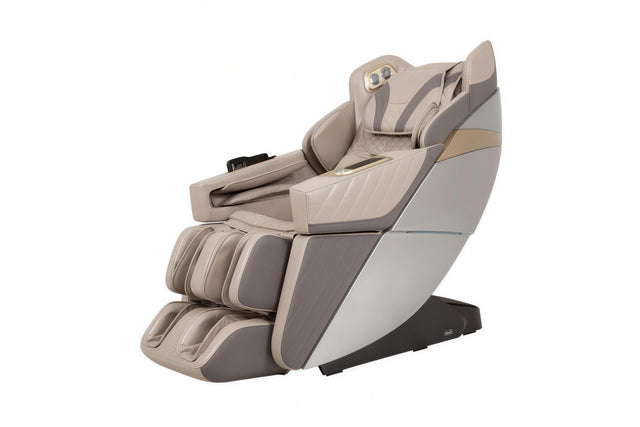
4. How Much Should You Spend on a Home Wellness Chair?
You should spend enough to get consistent comfort in the positions you’ll use most—usually meaning better cushioning, stronger frames, quieter motors, and more refined heat/massage integration as you move upmarket.
Think in tiers: entry comfort vs. long-term daily use
• Value-focused options: may offer basic heat or vibration, but less adjustability and less consistent coverage.
• Mid-to-premium wellness recliners: typically improve daily comfort—better support, smoother recline, and more polished fit-and-finish.
• High-end massage chairs: often prioritize massage performance and customization, with a larger footprint and more complex mechanics.
Budget by outcomes, not features
Two shoppers can spend the same amount and feel differently about value. A better approach:
• If you want a daily evening ritual, invest in upholstery feel, quiet operation, and easy presets.
• If you want post-work decompression, invest in lumbar support, meaningful heat, and massage contact quality.
• If you want leg comfort, invest in a chair that supports your calves/feet comfortably at full recline.
Practical checkpoint: If a chair isn’t comfortable with massage turned off, it won’t become a habit. Comfort-first is usually the best long-term value.
5. Best Wellness Seating Features for Back Comfort, Leg Comfort, and Daily Relaxation
The best wellness seating features are the ones that help you relax quickly and comfortably: supportive lumbar feel, smooth recline into zero gravity, calming heat placement, and leg support that doesn’t create pressure points.
For back comfort
• Lumbar support + lumbar heat: helps you settle, especially after sitting all day.
• Massage coverage across mid-to-lower back: consistency matters more than intensity.
• Zero gravity positioning: a balanced recline can reduce the feeling of spinal pressure.
For leg comfort
• Elevated leg rest: should support calves without cutting into the backs of knees.
• Calf/foot massage (if included): look for comfort at your height and gentle adjustability.
• Stable recline geometry: prevents sliding and keeps hips comfortable.
For daily relaxation (the “use it every day” details)
• Simple controls: presets, straightforward buttons, and easy adjustments.
• Quiet performance: helps relaxation feel uninterrupted.
• Upholstery you enjoy: breathable, soft, and easy to maintain.
If you want a refined, furniture-forward option that still delivers heat, massage, and restorative recline, start with Valencia’s Wellness Series wellness recliners and compare based on your top two priorities (usually back comfort and room-fit).
6. Home Wellness Furniture Buying Guide: Recliners, Massage Chairs, Saunas, and Room Planning
The smartest home wellness setup is the one you’ll use consistently—and consistency comes from matching the right product to your routine, then planning the room so it feels effortless to start a session.
Choose your “anchor” piece first
• Wellness recliner as the anchor: best for daily, living-room-friendly relaxation.
• Massage chair as the anchor: best for dedicated massage sessions.
• Infrared sauna as the anchor: best for heat rituals and timed sessions.
Plan the room around comfort and access
• Clearance: confirm recline depth and walking space.
• Power: ensure an outlet location that doesn’t create trip hazards.
• Lighting: softer light encourages longer, calmer sessions.
• Sound: consider a quiet corner away from high-traffic pathways.
Create a simple routine you can repeat
Many owners get the best results from short, consistent sessions. For example: 15 minutes of heat + gentle massage after dinner, or a zero gravity recline for decompression before bed. Your wellness recliner should make that routine feel natural.
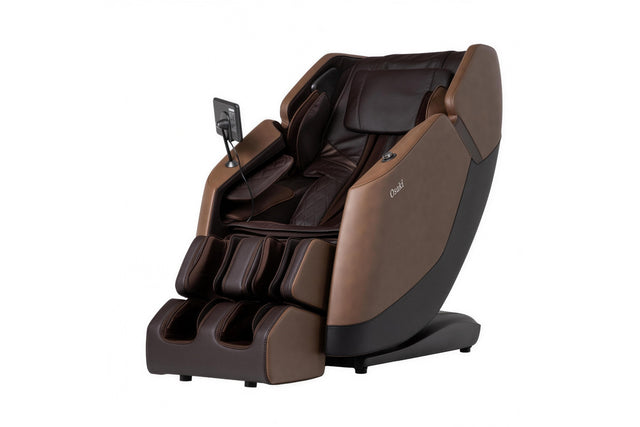
If you’re ready to compare models, explore the Wellness Series collection and shortlist options based on heat placement, massage coverage, and how the zero gravity position feels for your body.
Frequently Asked Questions
What should I look for in a wellness recliner?
Look for heat zones you’ll use, massage coverage that feels consistent, and a zero gravity position that supports your back and legs comfortably. Then confirm room-fit, upholstery feel, and ease of controls so it becomes part of your daily routine.
Is zero gravity worth it on a wellness recliner?
Yes, if the chair’s zero gravity position feels balanced and comfortable for your height. A good zero gravity recline can reduce the feeling of pressure and make heat and massage feel more relaxing because your body is better supported.
Which is better: a wellness recliner or a massage chair?
A wellness recliner is better for everyday comfort in a living space, while a massage chair is better for deeper, more dedicated massage sessions. If you want a chair you’ll sit in daily for relaxation, a wellness recliner is often the more practical choice.
How do I know if the heat zones are strong enough?
The best way is to test the chair, but you can also look for multiple heat levels and even heat distribution. Heat should feel calming and consistent—not overly hot, and not limited to a tiny spot.
How much space do I need for a wellness recliner?
You need enough width for comfortable arm clearance and enough depth for the chair to fully recline. Measure your space, confirm wall clearance requirements, and check doorway/hallway access for delivery.
Can a wellness recliner help with back comfort?
A wellness recliner can help improve back comfort by supporting a more relaxed posture and easing tension with heat and massage. Choose strong lumbar support, consistent back coverage, and a zero gravity position that feels stable and natural.


