

In this article: A space-first home wellness furniture buying guide to help you choose recliners, massage chairs, and infrared saunas—plus the room-planning details (measurements, power, ventilation, and traffic flow) that make everything feel effortless.
- How to Choose a Wellness Recliner for Heat, Massage, and Zero Gravity Comfort
- How to Choose Between a Massage Chair, Wellness Recliner, and Infrared Sauna
- What Features Matter Most in a Luxury Massage Chair?
- How Much Should You Spend on a Home Wellness Chair?
- Best Wellness Seating Features for Back Comfort, Leg Comfort, and Daily Relaxation
- Home Wellness Furniture Buying Guide: Recliners, Massage Chairs, Saunas, and Room Planning
- Frequently Asked Questions
The best home wellness furniture buying guide starts with your room plan first, then matches the right wellness recliner, massage chair, or infrared sauna to your space, power, and daily routine. When you measure clearly, plan traffic flow, and confirm electrical and ventilation needs, you can choose wellness seating and heat therapy that feel integrated—rather than oversized, noisy, or “tucked wherever it fits.”
If you are designing for a primary bedroom, a quiet lounge, or a dedicated recovery room, this guide walks you through buying decisions and the practical room-planning details that protect comfort, finishes, and long-term usability.
Quick Takeaways
• Plan the room before you buy:.
measure doorway clearances, product footprint, and full recline requirements so delivery and daily use stay simple.
• Match the category to your goal:.
recliners are ideal for everyday comfort and gentle heat/massage; massage chairs prioritize full-body programs; infrared saunas focus on heat-based relaxation.
• Confirm power and placement early:.
dedicated circuits and outlet location matter more than most people expect—especially for massage chairs and saunas.
• Prioritize adjustability if the chair is shared:.
body scanning, multiple intensity levels, and leg/foot adjustments help one chair fit multiple users.
• Choose finishes like a designer:.
performance leather, high-quality upholstery, and coordinated wood/metal tones help wellness furniture look intentional in premium interiors.
How to Choose a Wellness Recliner for Heat, Massage, and Zero Gravity Comfort
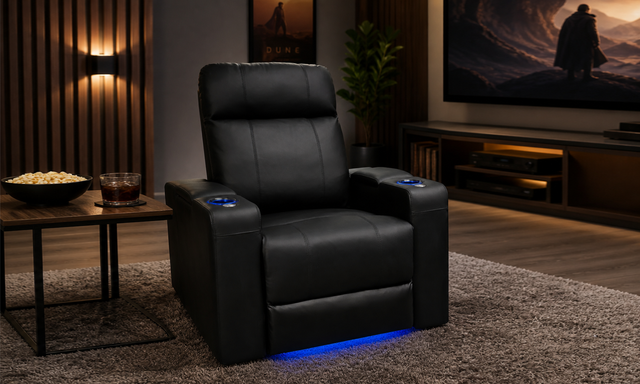
A wellness recliner is often the most natural “everyday” wellness upgrade because it looks like refined seating while adding comfort features like heat, vibration or massage, and Zero Gravity-style reclining. The right model should feel calming at a glance and supportive the moment you sit.


Start with your daily use case
• Wind-down and sleep support: look for smooth, quiet reclining, supportive head/neck alignment, and gentle heat placement that feels soothing, not intense.
• Desk tension and recovery: prioritize back coverage, consistent lumbar support, and a leg rest that elevates comfortably without forcing your knees high.
• Shared seating (couples/family): choose broad adjustability (recline range, massage intensity options) so comfort is repeatable across users.
Heat, massage, and “real” comfort features to look for
• Heat placement: lumbar heat is common; some models add broader warmth zones. Heat should feel even—no hot spots.
• Massage style: many wellness recliners use vibration or targeted nodes. It should feel relaxing for daily sessions (10–20 minutes), not aggressive.
• Zero Gravity positioning: a Zero Gravity-inspired recline can help reduce pressure along the spine and encourage deeper relaxation. Look for positions that feel balanced, with your legs comfortably elevated.
• Ergonomics: supportive back shape, a stable seat base, and a footrest that does not create pressure behind the knees.
Space planning for recliners (don’t skip this)
Recliners are usually easier to place than massage chairs, but they still need a clear “recline envelope.” If you want the chair to feel like part of the room (not a compromise), plan for side tables, lamp placement, and walking clearance around the chair.
Explore options designed to blend wellness comfort with a premium living-room look in our Wellness Series collection.
How to Choose Between a Massage Chair, Wellness Recliner, and Infrared Sauna
This decision becomes simple when you choose the category that matches (1) your primary wellness goal, (2) your room constraints, and (3) your tolerance for dedicated “equipment” vs. everyday furniture.

| Best for | Wellness Recliner | Massage Chair | Infrared Sauna |
|---|---|---|---|
| Daily relaxation | Excellent | Very good | Good |
| Full-body massage programs | Limited | Excellent | Not applicable |
| Heat-based sessions | Targeted heat | Some models include heat | Excellent (primary function) |
| Space requirements | Moderate | High (footprint + recline clearance) | Moderate to high (cabinet + ventilation clearance) |
| Electrical planning | Usually standard outlet | Often higher draw; confirm requirements | May require higher draw or dedicated circuit; confirm requirements |
| Interior design integration | Most seamless | Can be statement piece; needs thoughtful placement | Looks architectural; best in dedicated zone |
Use a simple decision filter
• If you want a chair you will use every day: start with a wellness recliner (especially in a living room, bedroom, or lounge).
• If you want structured, full-body sessions: a luxury massage chair is the clearest fit—especially for back, glutes, calves, and feet coverage.
• If heat therapy is your anchor habit: an infrared sauna can become a restorative ritual, especially when paired with a comfortable seat right outside the cabin.
Pairing seating with an infrared sauna (a designer-friendly approach)
The most elevated wellness rooms treat the sauna as one part of a flow. Place a wellness recliner or a refined lounge chair nearby for a calm “before and after” routine. This is where finishes matter: coordinated upholstery, warm woods, and soft lighting make the room feel intentional.
If you are building a wellness corner, start with seating that anchors the look—then add heat therapy around it. Browse curated options in Wellness Series.
What Features Matter Most in a Luxury Massage Chair?
A luxury massage chair should deliver two things consistently: precise roller coverage that feels natural and easy adjustability that makes it effortless to use. Features only matter if they translate into comfort you will return to.
Core performance features (what you feel in a session)
• Body scanning: helps align roller travel to your height and contours for more consistent comfort.
• Roller track coverage: a longer track typically supports more continuous coverage from upper back down through the lower back and into the seat area (varies by design).
• Massage mechanisms and techniques: kneading, tapping, rolling, and compression should feel fluid—not mechanical or abrupt.
• Air compression zones: often used for shoulders/arms/hips/calves/feet, adding a “hug-like” comfort that complements rollers.
• Zero Gravity-style recline: can help reduce perceived pressure and allow the massage to feel deeper with less effort.
Usability features (what makes you actually use it)
• Simple controls: a clean remote or intuitive interface matters more than dozens of programs you never touch.
• Quiet operation: especially important in open-concept living spaces and bedrooms.
• Leg and foot adjustment: look for flexibility that supports different heights and ankle comfort.
Space, delivery, and clearance considerations
Massage chairs are substantial. Before you choose a model, confirm:
• Doorway and hallway widths (including turns and stair landings)
• Placement clearance for recline and safe walkways
• Floor protection (area rug, chair mat, or protective pads depending on flooring)
How Much Should You Spend on a Home Wellness Chair?
Your budget should reflect how often you will use the chair, how long you expect to keep it, and how important seamless design integration is in the room. A good spending plan prioritizes comfort, coverage, and reliability over “extra” features.
Budget ranges (how to think about value)
• Entry comfort upgrade: typically focused on basic heat/massage and reclining comfort, best for casual use and secondary rooms.
• Mid-range wellness seating: improved materials, stronger ergonomics, and more satisfying daily comfort—often the sweet spot for frequent use.
• Luxury massage chairs: higher adjustability, more precise coverage, and a more refined experience. This tier is ideal when massage sessions are a core routine.
What to prioritize at each level
• Comfort first: if the seat and back support are not right, no feature will make it a favorite chair.
• Coverage second: choose the chair that targets the areas you actually carry tension (neck/shoulders, mid-back, lumbar, hips, calves, feet).
• Finish and durability third: premium upholstery and solid construction help wellness furniture feel like part of your interior, not a gadget.
A practical rule for planners and designers
If this is a primary-room piece (great room, main bedroom, or dedicated wellness suite), allocate more of the budget to a chair that complements the room aesthetically. You are buying both a wellness ritual and a focal point.
For a curated set of premium options, visit Wellness Series and build from the seating outward.
Best Wellness Seating Features for Back Comfort, Leg Comfort, and Daily Relaxation
The best wellness seating earns its place through repeatable comfort. These are the features that tend to matter most when you sit down every day—especially for people who want relaxation without a clinical feel.
For back comfort
• Consistent lumbar support: you should feel supported without being pushed forward.
• Comfortable recline geometry: a well-balanced recline reduces “floating” shoulders and keeps your spine feeling aligned.
• Heat that feels even: gentle warmth can help ease tension and encourage relaxation.
For leg comfort
• Natural leg elevation: the footrest should support calves without creating pressure behind the knees.
• Calf and foot support (especially in massage chairs): compression and foot rollers can feel deeply restorative after long days on your feet.
For daily relaxation (the “you will actually use it” checklist)
• Quiet operation and smooth motion
• Easy controls and quick-start programs
• Materials that feel good on skin: premium upholstery can elevate the experience instantly
• A look that fits the room: refined finishes make wellness feel like part of your lifestyle, not an afterthought
Home Wellness Furniture Buying Guide: Recliners, Massage Chairs, Saunas, and Room Planning
If you are planning a full room—not just one purchase—use this roadmap to avoid the most common issues: tight delivery paths, awkward clearances, poor outlet placement, and layouts that disrupt traffic flow.
Step 1: Measure the space (and the path to it)
• Room footprint: measure the usable area, not just wall-to-wall dimensions (account for windows, doors, and built-ins).
• Delivery path: measure doorways, hallways, stair turns, and elevator dimensions if applicable.
• Clearance zones: plan space for full recline, safe walkways, and side-table access.
Step 2: Plan power early (outlets, cords, and circuits)
Wellness furniture is easiest to live with when power is invisible and reliable.
• Outlet placement: aim for outlets behind or beside the chair/sauna so cords do not cross walkways.
• Dedicated circuits: some massage chairs and many saunas may need specific electrical requirements. Confirm product requirements and consult a licensed electrician when needed.
• Cable management: plan for discreet routing that supports a clean, luxury look.
Step 3: Ventilation and heat management (especially for saunas)
• Follow manufacturer clearance guidance for airflow and safe operation.
• Plan a “cool-down zone”: a comfortable seat and small surface for water and towels makes the room feel complete.
• Protect adjacent finishes: thoughtful spacing helps prevent heat from concentrating near sensitive materials.
Step 4: Layout for traffic flow (the difference between “fits” and “feels right”)
For planners and interior designers, traffic flow is the make-or-break detail.
• Keep a clear walking path: avoid placing chairs where recline interrupts primary circulation routes.
• Anchor the wellness zone: use a rug, lighting, and side tables to define the area without clutter.
• Consider sightlines: a wellness chair can be a beautiful focal point when it is aligned with the room’s architecture, not angled into a corner.
Step 5: Pairing strategy: recliner + massage chair + sauna (without crowding)
• Small rooms: choose one hero piece (often a wellness recliner) and keep the rest minimal.
• Medium rooms: pair a sauna with a refined recliner outside the cabin for pre/post session comfort.
• Dedicated wellness rooms: separate zones—massage chair on one wall, sauna on another, and a calm seating area between to support a ritual-like flow.
Step 6: Finishes that suit premium interiors
Wellness furniture should feel like it belongs in the same design conversation as your lighting, millwork, and flooring.
• Upholstery: choose tones that complement your palette (warm neutrals, deep charcoals, soft creams) and materials that are easy to maintain.
• Hardware and accents: coordinate metals (black, brushed nickel, warm brass) with nearby tables and lighting.
• Visual weight: in smaller rooms, lighter colors can feel airier; in larger rooms, darker finishes can feel grounded and architectural.
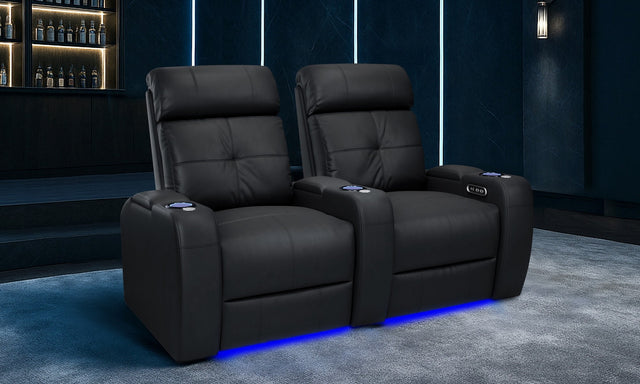
When you are ready to move from planning to selection, start with pieces designed for comfort and premium interiors in our Wellness Series collection.
Frequently Asked Questions
What should I measure before buying wellness seating or a massage chair?
Measure the room footprint, doorway and hallway clearances (including turns), and the chair’s full recline clearance. Also confirm where power outlets are located so cords do not cross walking paths.
Do massage chairs and infrared saunas need special electrical work?
Some models can use a standard outlet, while others may require specific amperage or a dedicated circuit. Always check the manufacturer’s electrical requirements and consult a licensed electrician if you are unsure.
How much space do I need behind a recliner or massage chair?
It depends on the model’s recline design, but you should plan for a clear “recline envelope” plus comfortable walking clearance around the chair. Confirm the product’s recommended clearances before purchase to avoid tight or unsafe layouts.
Is a wellness recliner or a massage chair better for daily use?
A wellness recliner is typically better for everyday, living-room-friendly comfort, while a massage chair is better when you want structured, full-body massage sessions as a consistent routine. Many homes use a recliner as the daily anchor and add a massage chair in a dedicated wellness area.
How do I pair an infrared sauna with seating so the room feels cohesive?
Place a comfortable recliner or lounge seat nearby as a cool-down zone, and coordinate finishes (upholstery tone, wood temperature, metal accents) with the sauna and the rest of the room. Soft lighting and a small side table for towels and water complete the experience.
What materials and finishes look most “high-end” for wellness furniture?
Premium upholstery (such as top-grain or performance leather, depending on the product), refined stitching, and a balanced color palette usually read as the most elevated. Choose tones and hardware finishes that match your broader interior—so the chair looks designed-in, not added later.


