

In this article: Foot-and-calf modules vary widely—reflexology rollers, air compression, heat, and coverage length all change how a foot and calf massage chair feels, especially if you stand all day, run often, or sit at a desk.
- What a Foot and Calf Massage Chair Module Actually Does
- Reflexology Rollers: Feel, Placement, and Adjustability
- Airbags and Compression Zones: How “Squeeze” Massage Works
- Heat Therapy in the Lower Legs: What to Expect
- Calf Coverage and Fit: Length, Width, and Sensitivity
- How to Choose by Lifestyle (Standing, Running, Desk Work)
- Comfort and Safety Considerations
- Frequently Asked Questions
A foot and calf massage chair typically combines reflexology-style rollers, airbag compression, and optional heat to ease tension across the soles, ankles, calves, and sometimes the shins. The “best” system is the one that matches your sensitivity (gentle vs. deep), your routine (standing all day vs. running vs. desk work), and your fit needs (calf coverage length, footbed size, and how the airbags wrap).
Lower-leg comfort is a major reason people invest in wellness seating: tired feet, tight calves, and that end-of-day “heavy legs” feeling can affect how your whole body relaxes. Understanding what rollers, airbags, warming elements, and compression zones actually do will help you choose a foot and calf massage chair you can enjoy consistently—not one that feels too intense or too light.
Quick Takeaways
• Rollers deliver targeted pressure along the soles (often strongest under the arch and heel), while airbags provide a broader “hug and squeeze” around the foot and calf.
• Heat is usually designed for gentle warming and comfort; it can make compression and rolling feel smoother, especially for tight calves.
• Compression zones (separate air chambers) matter more than “number of airbags” because zones determine where pressure is applied and how naturally it flows.
• Calf coverage and fit are make-or-break: the right length and wrap help avoid pressure points near the Achilles or shin.
• For buyer intent, prioritize adjustability (intensity steps, width/fit, and independent foot vs. calf control) over gimmicks.
What a Foot and Calf Massage Chair Module Actually Does
A dedicated foot-and-calf module is designed to work in layers:


• Sole stimulation (rollers): targets high-pressure points in the footbed to mimic hands/thumbs working the arch and heel.
• Envelopment (air compression): uses inflatable airbags to apply rhythmic pressure around the feet, ankles, and calves.
• Comfort enhancement (heat): adds gentle warmth to help the area feel less guarded, so the massage feels more fluid.
In practice, a foot and calf massage chair can feel very different depending on how these layers are balanced. Some chairs lead with deep rollers (a “reflexology” feel). Others prioritize compression (a relaxing, circulation-style squeeze). Premium systems often let you control these elements separately so you can fine-tune your session.
If you’re exploring premium wellness seating, you can browse lower-body-focused options in our Wellness Series collection.
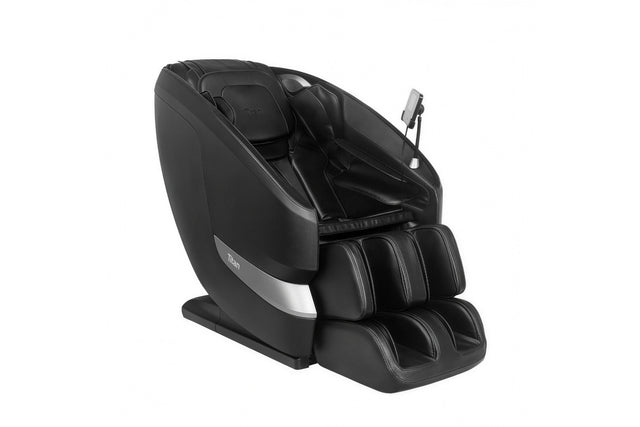
Reflexology Rollers: Feel, Placement, and Adjustability
What reflexology-style rollers feel like
Foot rollers typically move under the sole with a knuckle-like pressure. Most users feel the strongest contact under:

• Arch (often the most intense for sensitive feet)
• Heel (great for end-of-day fatigue)
• Ball of foot (helpful for people who stand or walk often)
Rollers are ideal if you want precise, localized pressure. However, if you have high sensitivity, plantar tenderness, or simply prefer gentler sessions, you’ll want a chair with multiple intensity levels and the ability to reduce roller strength (or switch to compression-only).
Key specs that change comfort (more than you’d expect)
• Roller travel path: A longer path typically means more consistent coverage from heel to forefoot.
• Roller profile: Rounded rollers feel smoother; more “pointed” profiles feel deeper and more specific.
• Speed and rhythm: Slower movement can feel deeper; faster movement can feel more stimulating.
When rollers are a great choice
• You feel most tension in the arches or heels
• You want a massage that feels “hands-on,” not just a squeeze
• You wear supportive shoes all day and want a stronger reset at home
Airbags and Compression Zones: How “Squeeze” Massage Works
Air compression vs. “number of airbags”
Air compression uses inflatable chambers to apply pressure and release in sequences. Marketing often highlights the airbag count, but for comfort, zoning and control matter more.
Compression zones are separate areas that inflate independently—for example, foot instep, ankle, lower calf, and upper calf. Better zoning can create a smoother, wave-like pattern instead of one uniform squeeze.
What compression feels like (and who tends to prefer it)
• Broad, relaxing pressure rather than pinpoint intensity
• Helpful for people who want a gentler lower-leg routine
• Often preferred by users who find reflexology rollers too sharp
Control features worth prioritizing
• Multiple intensity steps: so “light” is truly light, and “strong” is consistent.
• Independent foot vs. calf control: lets you keep calves gentle while increasing foot pressure (or the opposite).
• Adjustable timing/patterns: alternating squeeze patterns can feel more natural than constant pressure.
Compression can be especially appealing if you’re looking for an end-of-day unwind that feels calming and supportive rather than deeply targeted.
Heat Therapy in the Lower Legs: What to Expect
Heat in a foot and calf massage chair is usually designed as mild, steady warmth—not the high heat of a medical heating pad. Its goal is comfort: helping muscles feel less guarded so rollers and compression feel smoother.
Where heat is commonly applied
• Calves: warming panels or elements near the calf wrap
• Feet: sometimes around the footbed or over the instep area (varies by design)
Who tends to benefit most from heat
• People with tight calves after long walks or standing shifts
• Desk workers who feel stiffness after sitting for hours
• Anyone who prefers a softer, more relaxing massage experience
Practical note: heat often feels best when paired with gentle-to-moderate compression, especially if you are easing into regular use.
Calf Coverage and Fit: Length, Width, and Sensitivity
Fit is the quiet difference between “I use it nightly” and “I avoid it.” A foot and calf massage chair should align the massage elements with your anatomy without creating pressure points.
Coverage length: short vs. extended calf modules
• Shorter coverage: can feel less restrictive and easier for smaller users; may miss upper calf tension.
• Longer coverage: can feel more enveloping and supportive; better for people who want full-calf attention.
Width and wrap: how airbags contact the leg
If the calf wrap is too narrow, you may feel concentrated pressure along the shin or Achilles area. If it’s too wide, compression may feel weak or uneven. Look for designs that contour comfortably and offer intensity adjustments so you can tailor the squeeze to your sensitivity.
Sensitivity checkpoints
• Achilles tendon area: should feel supported, not pinched.
• Shin contact: compression should be firm but not sharp.
• Arch pressure: rollers should feel adjustable, especially if you have sensitive arches.
How to Choose by Lifestyle (Standing, Running, Desk Work)
If you stand all day (retail, hospitality, healthcare)
Standing fatigue often shows up as sore soles and “heavy” calves. A balanced foot and calf massage chair setup usually works best:
• Prioritize: strong but adjustable foot rollers + supportive calf compression
• Nice to have: heat for comfort and smoother sessions
• Use tip: start with lighter roller intensity, then increase gradually across sessions
If you run or train regularly
Runners often feel tightness in the calves and plantar area. You’ll typically want control and coverage:
• Prioritize: adjustable calf compression zones + reliable calf heat
• Rollers: helpful, but intensity control matters (post-run feet can be sensitive)
• Use tip: choose moderate intensity and longer, consistent sessions rather than one overly intense cycle
If you work at a desk (long sitting hours)
Desk work can lead to stiffness and a “swollen” feeling in the lower legs by evening. Many users prefer a gentler, calming approach:
• Prioritize: comfortable air compression with multiple intensity steps
• Nice to have: heat for a more restorative feel
• Rollers: choose smoother roller action if you want stimulation without sharp pressure
Comfort and Safety Considerations
Massage chairs are designed for comfort and relaxation, but your body’s feedback matters. A few practical guidelines can help you enjoy your foot and calf massage chair more consistently:
• Ease in: If you’re new to reflexology rollers or strong compression, start at low intensity and increase gradually.
• Avoid numbness: If your feet start to feel numb or overly tingly, reduce intensity or switch from rollers to compression-only.
• Pay attention to fit: Pressure points often come from misalignment (footbed length, calf wrap position, or compression strength).
• Medical considerations: If you have a medical condition affecting circulation, nerves, or lower-leg pain, it’s wise to consult a clinician before using high-intensity compression or heat.
When you’re ready to compare premium seating options built for daily routines, explore our Wellness Series wellness seating and focus on models with the adjustability that matches your sensitivity and schedule.
Frequently Asked Questions
Are foot rollers or airbags better in a foot and calf massage chair?
Neither is universally better—rollers are more targeted, while airbags are more enveloping and gentle. If you want pinpoint arch/heel pressure, choose strong adjustable rollers. If you prefer a calming squeeze around feet and calves, prioritize multi-zone compression with several intensity steps.
What do “compression zones” mean for foot and calf massage?
Compression zones are separate air chambers that inflate independently in different areas (foot, ankle, lower calf, upper calf). More useful zones usually create smoother, more natural pressure patterns and help you avoid one intense squeeze concentrated in the wrong spot.
Does heat in a foot and calf massage chair get hot enough to loosen tight calves?
Most massage chair heat is gentle warming meant for comfort, not high heat. It can make rolling and compression feel smoother and more relaxing, especially for tight calves, but it is not intended to replace dedicated heat therapy devices.
How do I know if the calf coverage will fit me?
Fit comes down to where the wrap contacts your calf and whether pressure feels even. Look for chairs that offer adjustable intensity and designs that comfortably contour the calf without pinching near the Achilles or pressing sharply into the shin.
I’m sensitive to foot pain—can I still use a foot and calf massage chair?
Yes, if the chair offers true low-intensity settings and the ability to reduce or disable rollers. Many users with sensitivity prefer starting with compression-only and adding gentle roller intensity gradually as comfort improves.


