

In this article: A practical guide to buying the right recliner — covering types, materials, key features, and what to prioritize at different budgets.
- Types of Recliners
- Choosing the Right Material
- Key Features to Look For
- Budget and What to Expect
- Frequently Asked Questions
A recliner is more than a comfortable chair — it is where you decompress at the end of the day. Choosing the right one means matching the reclining mechanism to how you'll use it, selecting a material that suits your household, and identifying the features that will still feel worthwhile five years from now.

Quick Takeaways
• Power recliners offer the most flexibility with minimal effort.
A button adjusts your position smoothly — no pulling levers or pushing back with your body.
• Wall hugger recliners solve the space problem.
They can sit close to the wall and still recline fully, making them ideal for smaller rooms.
• Leather is the most durable and easiest-to-maintain material.
Top-grain and full-grain leather handle daily use and clean easily without trapping allergens.
• Lumbar support is the feature most people wish they'd prioritized.
If you plan to sit for extended periods, consistent lumbar support matters more than extra programs.
• Set budget based on how often you'll use the chair.
A recliner used daily is a different investment calculation than one used occasionally.
1. Types of Recliners
The type of recliner determines how it operates, how much space it needs, and what kind of experience it delivers.
Manual recliners
Use a lever or pushback motion to recline. Simple, reliable, and typically the most affordable option. The trade-off is that you are limited to a few preset recline positions rather than continuous adjustment.
Power recliners
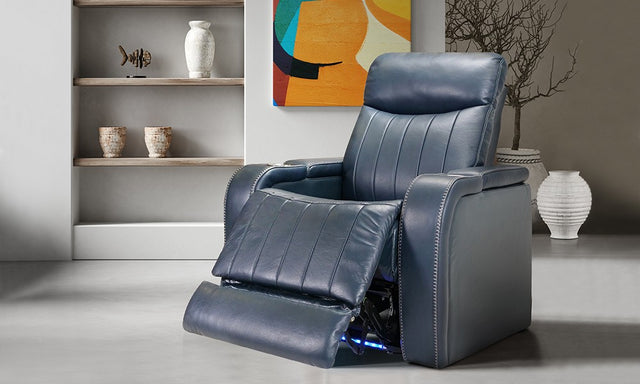
Motor-driven recline controlled by a button or remote. Power recliners allow precise, continuous adjustment and often include additional features like USB charging ports, adjustable headrests, and programmable positions. They are the most versatile choice for daily use.
Wall hugger recliners
Designed to recline forward while simultaneously moving the seat base forward, allowing the chair to be placed close to a wall without needing clearance behind it. A practical solution for smaller rooms or media rooms with limited wall-to-seat distance.
Swivel recliners
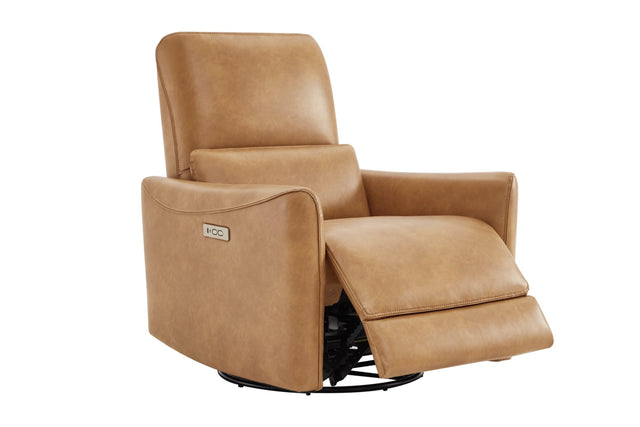
Built on a rotating base that allows 270-degree or full rotation while also reclining. Popular in living rooms where flexibility and engagement with different areas of the room matter — and in home offices where you want to move freely.
Lift recliners
Include a motor that gently raises the seat to assist with standing up. Designed for people with mobility limitations or those who find it difficult to rise from low seating positions.
Massage and heat recliners
Include built-in vibration massage and heated zones for additional comfort and muscle relaxation. These recliners represent the top of the range in terms of features and are designed for households where regular therapeutic comfort is a priority.
2. Choosing the Right Material

Leather
The most durable and easiest-to-maintain option for a recliner. Full-grain and top-grain leather handle daily use well, clean quickly with a damp cloth, and don't trap dust or pet hair. Leather recliners develop a patina over time that adds character. The higher upfront cost is offset by significantly longer useful life.
Fabric
Soft, available in a wide range of textures and colors, and generally more affordable. Fabric recliners suit households looking for a cozy feel or those who want more decorative flexibility. Look for performance fabrics with stain-resistance treatments if the chair will see heavy use, children, or pets.
Faux leather
Provides the leather look and a wipe-clean surface at a lower price point. Quality varies significantly — higher-grade faux leather (often labeled as performance leather or bonded leather) is more durable than entry-level options. It does not age or develop a patina the way genuine leather does.
3. Key Features to Look For
Modern recliners offer a wide range of features. Focus on the ones that match your actual daily use rather than the longest possible spec list.
• Reclining mechanism: Power recliners offer smooth, adjustable positioning. Manual recliners are simpler and more affordable. Consider how often you'll adjust positions and whether effort matters.
• Lumbar support: Essential for extended sitting. Look for consistent support that maintains contact with your lower back across different recline positions — not just when sitting upright.
• Footrest: A well-proportioned footrest should elevate your legs comfortably without bending at the knee. Check the height and angle relative to your body size.
• Headrest and neck support: Particularly important for napping or watching long films. Adjustable power headrests allow you to set the exact angle for your head and neck.
• Swivel and rocking functions: If you want full-room flexibility or a gentle rocking motion, confirm these features are part of the base mechanism — they affect which models qualify.
• USB charging and storage: Practical additions for recliners used as primary living room seating. Integrated charging ports and side storage pockets keep essentials within reach.
4. Budget and What to Expect
Recliner pricing ranges significantly based on mechanism type, material, and features. A helpful way to set expectations:
• Entry-level manual recliners in fabric or faux leather deliver basic comfort at an accessible price. These are good starting points but may show wear faster with heavy daily use.
• Mid-range power recliners in quality fabric or top-grain leather offer smooth operation, good lumbar support, and durable construction. This range tends to represent the best everyday-use value.
• Premium recliners in full-grain or top-grain leather with additional features (power headrest, massage, heat, zero gravity) offer the most complete daily comfort experience. The investment makes the most sense for chairs used regularly — every evening or shared across multiple household members.
• The most useful question before setting a budget: How often will this chair actually be used? Daily use warrants a higher investment in durability and comfort. Occasional use can be served by a simpler, more affordable option.
Frequently Asked Questions
What is the difference between a power recliner and a manual recliner?
A manual recliner uses a lever or pushback motion to recline into a limited number of positions. A power recliner uses an electric motor controlled by a button, allowing continuous, precise adjustment. Power recliners are easier to use and more flexible — especially for people with mobility concerns or those who want exact positioning.
How much space does a recliner need behind it?
Standard recliners typically need 12–18 inches of clearance behind the chair to recline fully. Wall hugger recliners are designed to need minimal rear clearance — some as little as 4–6 inches — by moving the seat forward as it reclines, making them well suited for smaller rooms.
Is a leather recliner better than fabric?
Leather recliners are generally more durable, easier to clean, and more resistant to allergens and pet hair than fabric. Fabric recliners offer more texture variety and a softer initial feel. The better choice depends on your household priorities — leather tends to provide better long-term value for daily-use chairs.
What features matter most in a recliner for back pain?
Lumbar support is the most important feature — look for a design that maintains firm contact with the lower back across different recline angles. Power adjustability helps you find the exact angle that reduces pressure. Zero gravity positioning, which elevates the legs above the heart, can also relieve lower back tension significantly.
Can a swivel recliner be used in a home office?
Yes — swivel recliners work well in home offices where you need to turn between a desk, shelving, and other areas without getting up. Look for models with a 270-degree or full 360-degree swivel and comfortable lumbar support for extended seated use.
How do I know what size recliner fits my body?
Check the manufacturer's recommended height range for the chair, and confirm that the seat depth allows your back to contact the lumbar support while your feet rest flat. Seat height should let your knees bend at roughly 90 degrees. For taller buyers, look for extended leg rests and higher back support.


