

In this article: Full-spectrum infrared saunas combine near, mid, and far infrared to create a more flexible home routine—here’s how they compare to far-only saunas, what features matter most, and how to choose confidently.
- What Is a Full-Spectrum Infrared Sauna? Benefits, Features, and Home Wellness Guide
- Far Infrared Sauna Panels Explained: Heat Distribution, Warm-Up Time, and Comfort
- Low-EMF Infrared Sauna: Why It Matters
- Infrared Sauna Ventilation: What Homeowners Need to Know
- Infrared Sauna Materials Guide: Wood, Glass, Heating Panels, and Long-Term Durability
- Benefits of Okoume Wood / Hemlock Interior
- Indoor Infrared Sauna Placement Guide: Flooring, Wall Clearance, Moisture, and Electrical Access
- Frequently Asked Questions
A full-spectrum infrared sauna is an infrared sauna designed to deliver three wavelength ranges—near, mid, and far infrared—so you can customize your sessions for gentle warmth, deeper heat comfort, or a balanced “all-around” routine. Unlike a far-infrared-only cabin (the most common style), full-spectrum models add near and mid emitters to broaden how the heat feels and how you structure your home wellness sessions.
For many households, the appeal is simple: one sauna, multiple session styles. If you want a calmer wind-down after work, a warmer sweat session on weekends, or a shorter “reset” on busy days, a full-spectrum infrared sauna offers flexibility without turning your routine into a research project.
Quick Takeaways
• Full-spectrum infrared sauna typically means a mix of near, mid, and far infrared emitters—not a single “better” wavelength, but more options.
• Far infrared is usually the “core heat” most people associate with infrared sauna comfort and longer sessions.
• Near infrared is often delivered by targeted emitters (not full-wall panels) and is commonly used for shorter, focused exposure.
• Low-EMF design, smart placement of heaters, and quality materials matter as much as spectrum when choosing a home sauna.
• Before you buy, confirm electrical requirements, ventilation approach, interior wood choice, and panel layout—these determine everyday ease of use.
What “Full-Spectrum” Means (Near vs. Mid vs. Far) in Plain Language
Infrared saunas heat your body primarily through infrared energy rather than heating the air the way a traditional sauna does. The “spectrum” refers to wavelength ranges—each one tends to feel a little different in practice.

Near infrared (NIR): targeted, often used in shorter bursts
Near infrared sits closest to visible red light on the electromagnetic spectrum. In many full-spectrum cabins, near infrared is delivered through dedicated emitters (often positioned at specific heights) rather than broad wall panels. People often choose it when they want a shorter, more focused session without needing the whole cabin at a high temperature.
Mid infrared (MIR): a bridge between near and far
Mid infrared is commonly described as a “middle zone” sensation—many users experience it as more immediately warming than far infrared, while still comfortable for extended sessions depending on temperature and panel layout.
Far infrared (FIR): the classic “infrared sauna” feel
Far infrared is what most far-infrared-only saunas deliver. It is typically associated with comfortable, penetrating warmth and longer sessions at moderate cabin temperatures. For many buyers, far infrared is the foundation of their home routine.
Full-Spectrum vs. Far-Infrared-Only: Which Is Better for Home Use?
For most homeowners, the best choice is the one you’ll use consistently. A far-infrared-only sauna can be an excellent fit if you want a simple, steady routine with consistent heat comfort. A full-spectrum infrared sauna is often the better fit if your goals (or household preferences) vary from day to day.
| Decision factor | Full-spectrum infrared sauna | Far-infrared-only sauna |
|---|---|---|
| Session flexibility | High: choose near/mid/far, or combine | Moderate: primarily far infrared experience |
| Heat feel | More adjustable; can feel more “immediate” with added emitters | Classic steady warmth |
| Best for | Mixed household use, varied routines, “one sauna for everything” | Simple repeatable routine, longer comfort sessions |
| What to verify before buying | Emitter layout, controls, low-EMF design, electrical needs | Panel coverage, warm-up time, ventilation, electrical needs |
If you’re exploring home options, you can browse cabin styles and configurations in the Wellness Series collection and use the checklists below to narrow your choice.
Key Benefits of a Full-Spectrum Infrared Sauna (Realistic, Routine-Based)
A full-spectrum infrared sauna is popular because it supports a wide range of comfort-focused goals without overcomplicating your setup. While experiences vary by person, many owners use full-spectrum options to fine-tune how a session feels.
• More ways to personalize comfort: A gentler session on low-heat days, or a warmer sweat session when you want a deeper reset.
• Flexible session length: Near and mid options can suit shorter sessions, while far infrared often supports longer, steady sessions.
• Better “shared sauna” fit: When multiple people use the cabin, spectrum flexibility can help each person find a comfortable routine.
• More targeted exposure: Dedicated emitters can be positioned to support focused use (for example, seated sessions where you prefer more upper-body warmth).
Far Infrared Sauna Panels Explained: Heat Distribution, Warm-Up Time, and Comfort
Even in a full-spectrum infrared sauna, far infrared panels usually do the heavy lifting for overall cabin comfort. Panel design influences how evenly you feel warmth, how quickly the sauna comes up to temperature, and how “gentle” the heat feels over longer sessions.
Heat distribution: coverage matters more than peak numbers
Look for panel placement that surrounds you in a balanced way—typically behind you, to the sides, and (often) in the lower area. Good coverage helps avoid “hot spots” and reduces the temptation to crank temperatures higher than needed.
Warm-up time: what to expect
Warm-up time varies by cabin size, ambient room temperature, and heater design. A well-designed infrared cabin often feels comfortable quickly, but the best indicator is how consistently it reaches and maintains your preferred temperature—especially in colder seasons.
Comfort: the practical test
Comfort is a combination of panel placement, airflow, and interior materials. If you’re sensitive to heat intensity, prioritize consistent panel coverage and a ventilation setup that keeps the cabin feeling fresh.
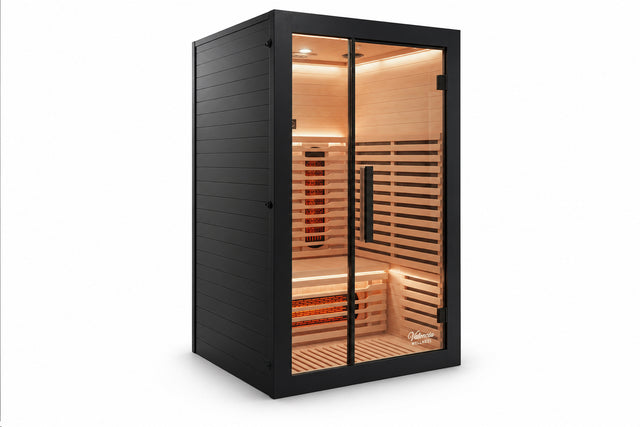
Low-EMF Infrared Sauna: Why It Matters
Low-EMF refers to lower electromagnetic field exposure generated by electrical components while the sauna operates. Because infrared saunas are powered by electricity and heating elements, EMF is a common buyer concern—especially for those building a calm, consistent home wellness routine.
What to look for in a low-EMF design
• Documented measurements: Brands may provide EMF readings and explain where and how they were taken (distance matters).
• Thoughtful wiring and grounding: Design and build quality influence EMF levels.
• Heater and control placement: Where components sit in relation to the user can affect exposure at typical seated positions.
In practice, choose the sauna that is transparent about EMF, built with care, and designed for everyday comfort—not one that relies on vague claims.
Infrared Sauna Ventilation: What Homeowners Need to Know
Ventilation is one of the quiet features that shapes the entire experience. A well-ventilated infrared cabin feels fresher, more comfortable over time, and easier to keep clean—especially if your sessions are frequent.
Do infrared saunas need ventilation?
Yes—every enclosed sauna benefits from basic airflow. While an infrared sauna doesn’t rely on extreme heat like a traditional sauna, you still want a way for fresh air to enter and warm, humid air to exit.
What to look for
• Dedicated vents: Intake and exhaust vents help keep air moving naturally.
• Fan support (where applicable): Some designs use fans to encourage consistent airflow.
• Odor and freshness control: Good ventilation supports a more pleasant, “spa-like” feel during longer sessions.
Home setup tip
Place your sauna in a space with normal room ventilation (not a sealed closet). You don’t usually need special ducting, but you do want the room itself to breathe.
Infrared Sauna Materials Guide: Wood, Glass, Heating Panels, and Long-Term Durability
For home ownership, materials decide how your sauna looks, how it ages, and how it feels session after session. Spectrum matters, but durability and finish quality are what you live with.
Wood: stability, scent, and comfort
Interior wood influences the overall atmosphere—how the cabin smells, how it feels against your skin, and how well it holds up in warm, humid conditions. Look for properly finished surfaces, solid joinery, and wood known for sauna suitability.
Glass: feel of space and heat retention
Glass doors and panels can make the cabin feel more open. Thicker, well-fitted glass also supports better heat retention and a quieter, more refined close.
Heating panels and emitters: quality control matters
Panel build quality, electrical design, and consistent output are major drivers of long-term satisfaction. A reliable control system and thoughtful emitter placement often matter more than marketing labels.
Benefits of Okoume Wood / Hemlock Interior
Interior wood is part comfort, part longevity. Many homeowners prefer an interior that feels smooth, looks refined, and holds up well to repeated warm-ups and cool-downs.
Okoume: a refined, modern feel
Okoume is often chosen for its clean appearance and stable performance in interior applications. In a sauna setting, that can translate to a polished look and a calm, spa-like atmosphere—especially when paired with quality construction and consistent ventilation.
Hemlock: a classic, widely used sauna interior
Hemlock is a popular choice in sauna interiors because it tends to be durable, comfortable, and visually understated. For many buyers, it’s a dependable option that suits a wide range of home aesthetics.
If you’re choosing between interiors, prioritize the one that aligns with your space, your sensitivity to natural wood aroma, and the look you want to enjoy long-term.
Indoor Infrared Sauna Placement Guide: Flooring, Wall Clearance, Moisture, and Electrical Access
Placement is where a great sauna becomes an easy routine—or a constant inconvenience. Before you order, think through four practical requirements: flooring, clearance, moisture management, and power.
Flooring: stable, level, easy to clean
Most homeowners place an infrared sauna on a hard, level surface. If you’re installing in a finished room, choose flooring that’s stable and comfortable to maintain. If you’re placing on carpet, confirm the manufacturer’s guidance and consider a firm platform for stability and airflow beneath.
Wall clearance: give the cabin room to breathe
Leave reasonable clearance so heat can dissipate and so you can access panels or cords if needed. Tight installs can trap heat around electronics and make cleaning more difficult.
Moisture: manage the room, not just the cabin
Infrared sessions create perspiration and humidity. A well-ventilated room (and basic wipe-down habits) helps keep the area fresh and protects surrounding materials.
Electrical access: plan the outlet before delivery
Confirm voltage and amperage requirements, outlet type, and cord reach. If you’re unsure, have a licensed electrician verify capacity so your sauna setup is smooth from day one.
When you’re ready to narrow options, start with the Wellness Series and match the cabin size to your available space and daily routine.
Frequently Asked Questions
Is a full-spectrum infrared sauna better than a far infrared sauna?
A full-spectrum infrared sauna isn’t automatically “better,” but it is usually more flexible. If you want one cabin that can support different session styles (shorter targeted exposure vs. longer steady warmth), full-spectrum is often a good fit. If you prefer simplicity and consistent far-infrared comfort, a far-infrared-only sauna may be ideal.
What temperature should I use in a full-spectrum infrared sauna?
The best temperature is the one you can use consistently and comfortably. Many owners prefer moderate temperatures for longer sessions, adjusting over time based on comfort. Always follow the manufacturer’s guidance and start lower if you’re new to infrared sauna use.
How long should a full-spectrum infrared sauna session be?
Session length depends on your comfort, hydration, and heat preference. Many people start with shorter sessions and gradually increase as they learn what feels restorative. If you feel lightheaded or uncomfortable, end the session and cool down.
Does “full-spectrum” mean the sauna heats up faster?
Not necessarily. Warm-up time depends on cabin size, ambient room temperature, panel design, and overall build quality. Full-spectrum can change how the heat feels (especially with near and mid emitters), but it’s not a guarantee of faster warm-up.
Do I need special ventilation for an indoor infrared sauna?
Most indoor infrared saunas do not require special ducting, but they do benefit from basic airflow through built-in vents and a normally ventilated room. Good ventilation supports comfort during sessions and helps keep the cabin feeling fresh.
Are low-EMF infrared saunas worth it?
If EMF is a priority for you, a low-EMF infrared sauna can be worth it—especially when the brand provides clear measurement details and uses thoughtful electrical design. Comfort, safety, and transparency should guide the decision.


