

In this article: 5 Ways to Relieve Lower Back Pain at Home
- Heat therapy to relax muscles and relieve stiffness
- Targeted stretching to reduce tension and improve mobility
- Massage therapy and massage chairs for deeper muscle recovery
- Zero gravity seating and proper support to reduce spinal pressure
- Staying active to promote faster recovery and prevent stiffness
- Building a consistent at-home routine for long-term back pain relief
The five most evidence-backed methods to relieve lower back pain at home are targeted heat therapy, gentle stretching, massage, supportive positioning, and active rest. Each has clinical research behind it — and most people are only using one or two consistently.
According to the CDC, 39% of U.S. adults reported lower back pain in the past three months. The WHO estimates that 619 million people worldwide experienced it in 2020, with that number projected to reach 843 million by 2050. Despite being nearly universal, back pain rarely gets a satisfying answer. Most people rotate through ibuprofen and a day or two of rest, then go right back to whatever caused it in the first place.

This guide covers five specific, research-backed methods you can use at home. No prescriptions required. No specialist appointments. Just practical approaches with real evidence behind each one.
Quick Takeaways
- Heat applied for 20 minutes, two to three times daily, provides short-term relief comparable to OTC pain medications for mild-to-moderate lower back pain.
- Three stretches — knee-to-chest, cat-cow, and piriformis — target the most common tension contributors in lower back pain; self-administered exercise reduces recurrence risk by 33%.
- A 2011 clinical study found massage benefits lasted at least six months after 10 weeks of weekly sessions — a 2020 RCT found massage chair therapy achieved similar results at 60% of physiotherapy cost.
- Zero gravity positioning reduces spinal compression by distributing body weight evenly; disc pressure is approximately 30% higher when sitting upright vs. standing.
- Staying gently active, not resting completely, speeds recovery significantly faster than bed rest — clinical guidelines advise against rest beyond two days.
1) Apply Heat for Fast Lower Back Pain Relief
Heat is one of the most studied and most accessible at-home treatments for lower back pain. It's also one of the most misused.
Take David, a warehouse supervisor who developed chronic low back stiffness in his mid-40s. Every morning he would apply ice to his lower back before his shift — something he'd read online years ago. It wasn't helping. A physical therapist eventually explained the issue: ice is appropriate in the first 48 to 72 hours after an acute injury, when reducing inflammation is the priority. For chronic, non-injury pain like David's, sustained heat was what his muscles actually needed. He switched to a heating pad each morning and noticed a difference within two weeks.
Heat vs. Ice: Which One Does Lower Back Pain Actually Need?
For most lower back pain that is not the result of a sudden acute injury, heat is the better choice.
- Ice: Use within 48 to 72 hours of an acute strain to reduce initial inflammation
- Heat: Use after that window, and as the default for chronic or non-injury lower back pain
Heat increases blood flow to the muscles surrounding the spine, reducing spasm and easing stiffness. A review published in PMC (PMC8401625) found that heat at therapeutic temperature achieved onset of pain relief in under five minutes, with effects lasting more than two hours after the session. A Cochrane review on superficial heat for low back pain confirmed it provides "a small short-term reduction in pain and disability" — modest language for a method that is free, safe, and available at home.
How to Use Heat Therapy at Home
- Heating pad: Apply to the lower back for 20 minutes, two to three times daily. Use a medium setting — sustained mild heat is more effective and safer than brief high heat.
- Warm bath or shower: Particularly helpful in the morning when stiffness tends to be worst.
- Heat wrap: Products like ThermaCare wraps deliver continuous low-level heat for up to eight hours, useful during a workday.
- Chair with built-in lumbar heat: Delivers sustained, hands-free warmth to the lumbar region while you rest — no positioning or monitoring required.
Massage chairs and heat (where the routine becomes easier)
Chairs with built-in lumbar heat deliver sustained warmth while you rest, which removes the friction that makes many people skip heat therapy when they're busy or tired.

2) Best Stretches for Lower Back Pain Relief at Home
Not all stretching is equal. General movement helps, but three specific stretches have the clearest evidence for addressing lumbar tension. Self-administered stretching and exercise have been shown in published meta-analyses to reduce the risk of lower back pain recurrence by 33%.
The Three Stretches With the Strongest Evidence
1. Knee-to-Chest Stretch
Lie on your back with knees bent. Slowly draw one knee toward your chest and hold for 20 to 30 seconds. Switch sides and repeat. This targets the lumbar erectors — the muscles running alongside the spine that tend to accumulate the most chronic tension. Do two to three repetitions per side.
2. Cat-Cow (Spinal Flexion and Extension)
On hands and knees, alternate between arching your spine toward the ceiling (cat) and letting it sag gently toward the floor (cow). Move slowly through 10 to 15 cycles, breathing with the movement. This lubricates the spinal joints, improves segmental mobility, and is gentle enough for most acute pain presentations.
3. Piriformis / Figure-4 Stretch
Lie on your back and cross one ankle over the opposite bent knee, forming a "4" shape. Gently press the crossed knee away from your body until you feel a stretch deep in your glute. Hold 30 seconds per side. Piriformis tightness is a common secondary driver of lower back pain that many people never address.
When and How Often to Stretch
For best results, stretch after applying heat — warmed muscles respond more readily than cold ones. A morning and evening routine of 10 to 15 minutes total is achievable for most people and meaningfully effective over time. Avoid aggressive stretching during an acute flare; move to a range where you feel gentle tension, not pain.

3) Massage — What the Clinical Research Actually Shows
Massage has a reputation as a luxury. The research frames it differently.
Why Massage Helps Lower Back Pain
A landmark 2011 study published in the Annals of Internal Medicine followed 401 people with chronic lower back pain through 10 weeks of weekly massage. At study's end, the massage group reported significant improvements in both pain and function. Those benefits persisted for at least six months without continued treatment.
Mechanically, massage works by releasing adhesions and trigger points in muscle tissue, improving circulation to areas that may be oxygen-deprived, and reducing cortisol — the stress hormone closely associated with sustained muscle tension.
At-Home Massage Options
Self-massage tools: Foam rollers and massage guns provide targeted work on the lumbar region. Useful, but require effort and some technique to apply effectively.
Partner massage: With basic guidance — long strokes along the muscle fibers, pressure through the hands rather than the thumbs — a partner can provide genuine relief in 10 to 15 minutes.
Massage chair: A 2020 randomized controlled trial published in Medicine (PMC7220115) found that massage chair therapy produced significant reductions in lower back pain at 60% of the cost of physiotherapy. Chairs with SL-track rollers follow the natural curve of the spine from the neck through the lumbar region and glutes — addressing the full kinetic chain contributing to lower back discomfort. Sessions require no physical effort: sit down, select a program, and let the chair do the work.
Looking for consistent at-home massage without scheduling or effort? Valencia's massage chairs include SL-track roller coverage, adjustable intensity, and built-in lumbar heat — designed for regular therapeutic use as part of a daily routine.
4) Supportive Positioning and Zero Gravity Recline
This is the method most people don't think about — and it may be the most relevant to why pain keeps returning despite doing everything else right.
Why Sitting Upright Isn't Always Better
Most people assume that "sitting up straight" is inherently better for the back. Biomechanics offers a more nuanced picture.
Research published in the ergonomics literature (PubMed 36437777) found that disc pressure in an upright seated position is approximately 30% higher than when standing. Hours of upright sitting — at a desk, on a sofa, in a standard chair — continuously loads the intervertebral discs. Over the course of a workday and an evening, the cumulative effect is significant.
James, a software developer in his mid-40s, had been thoughtful about his setup: standing desk, daily walks, regular ibuprofen. His lower back pain kept returning. What he hadn't considered was the two hours he spent each evening sinking into a low couch with poor lumbar support. A single change — switching to a chair with adjustable lumbar support and a reclining angle — shifted his pain pattern within a few weeks. Not because of any single feature, but because his evening seating stopped compounding the problem.

Zero Gravity Positioning Explained
The zero gravity position originated with NASA, developed to distribute body weight evenly during launch and reduce stress on the spine. In seating, it means reclining so the knees are approximately at heart level and body weight is spread across a broader contact surface.
In this position:
- Spinal compression decreases
- The intervertebral discs, which lose fluid under sustained load throughout the day, can begin to rehydrate
- Tension in the lower back muscles reduces as they are no longer working against gravity to hold the torso upright
Many people find 15 to 30 minutes in a zero gravity position provides meaningful relief after a day of prolonged sitting. Used consistently in the evening, it may reduce the daily loading accumulation that contributes to chronic lower back pain.
What to Look for in a Chair for Back Pain Relief
If you're evaluating home seating with lower back pain in mind, these features matter most:
- Adjustable lumbar support: Fills the natural inward curve of the lower spine, preventing it from flattening during extended sitting
- Zero gravity recline capability: Allows the hips and knees to reach a neutral, low-compression position
- Lumbar heat: Combines heat therapy with positioning benefits, hands-free
- SL-track rollers (in massage chairs): Follows the spinal curve from neck through glutes, providing consistent therapeutic coverage
Valencia massage chairs and recliners are designed with these features as standard — built for the kind of nightly use that supports genuine recovery, not just occasional relaxation. If your current chair is working against your back every evening, it may be worth reassessing.
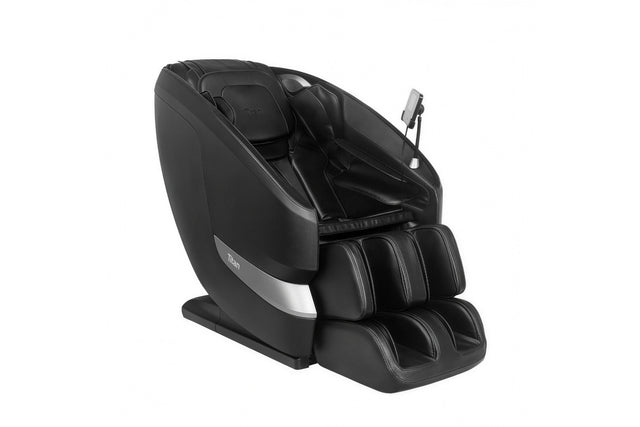
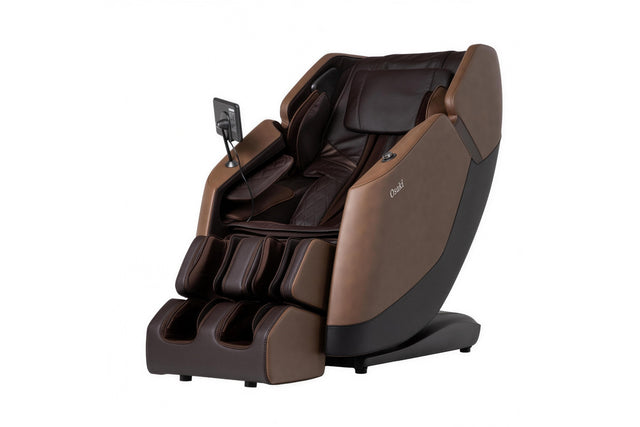
Not Sure Which Massage Chair Setup Is Right for You?
Choosing the right setup is often less about "the best feature list" and more about which chair makes the most helpful behaviors easy to repeat at home.
-
Adjustable lumbar support – Helps maintain the natural inward curve of the lower spine during extended sitting.
- Zero gravity recline capability – Allows the hips and knees to reach a neutral, low-compression position.
- Lumbar heat + SL-track rollers – Combines heat therapy with coverage from neck through glutes for consistent therapeutic reach.
Tip: Many people find the most relief when they combine heat + stretching + a supportive recline routine most evenings.
Frequently Asked Questions
How long does it take for lower back pain to go away on its own?
Most acute lower back pain from muscle strain resolves within two to four weeks with home care. About 90% of non-specific cases improve without medical intervention, provided the person stays gently active and avoids prolonged bed rest.
Is heat or ice better for lower back pain?
Ice for the first 48 to 72 hours after an acute injury. Heat after that window. For chronic or non-injury lower back pain, heat is generally the better first choice — it relaxes muscles and increases blood flow in a way that ice does not.
What stretches help lower back pain the most?
The knee-to-chest stretch, cat-cow, and the piriformis/figure-4 stretch have the strongest evidence base. These address the lumbar erectors, spinal joint mobility, and glute and SI joint tightness — the most common tension contributors in lower back pain.
Can a massage chair actually help with lower back pain?
Yes. A 2020 randomized controlled trial found massage chair therapy produced significant reductions in lower back pain at 60% of physiotherapy cost. A 2011 study in the Annals of Internal Medicine found massage benefits lasted at least six months. Massage chairs with SL-track rollers and built-in lumbar heat provide the most clinically relevant coverage.
Is it okay to sit in a recliner when your back hurts?
Yes — a reclining chair can reduce spinal load compared to upright sitting. Disc pressure is approximately 30% higher when sitting upright, while a reclined angle between 90 and 135 degrees reduces that pressure. Zero gravity recliners distribute body weight more evenly still.
What is the fastest way to relieve lower back pain at home?
Apply heat for 20 minutes, perform five to ten minutes of gentle stretching (cat-cow and knee-to-chest), then recline in a supportive chair rather than lying flat. OTC anti-inflammatories can provide additional short-term relief for acute pain.
Should you rest or stay active with lower back pain?
Stay active. Clinical guidelines from the ACP and APTA both advise against bed rest beyond one to two days. Light walking and gentle movement increase blood flow and speed recovery significantly faster than rest alone.
How often should you use a massage chair for lower back pain?
The 2011 Annals study used weekly sessions over 10 weeks. For at-home massage chair use, 15 to 20 minutes daily or every other day is a practical maintenance frequency. Avoid sessions over 30 minutes on acutely inflamed tissue.
What causes lower back pain to flare up?
Most flares are triggered by prolonged sitting, sudden movement or lifting, muscle fatigue from poor posture, stress, and sleeping in unsupportive positions. Identifying your trigger pattern is the first step in reducing frequency.
When should I see a doctor for lower back pain?
See a doctor if pain doesn't improve after two to four weeks, pain radiates down a leg, you experience new leg weakness, bowel or bladder changes, groin numbness, fever, unexplained weight loss, or pain follows an accident.
Bottom line
Method 5: Stay Active — Rest Smarter, Not More
The instinct to rest completely when your back hurts is understandable. For most people, it's also counterproductive.
Why Bed Rest Makes Back Pain Worse
Clinical guidelines from the American College of Physicians and the American Physical Therapy Association both advise against bed rest beyond one to two days. Prolonged rest leads to muscle deconditioning, reduced blood flow to injured tissue, and — for many people — an increase in pain sensitivity over time.
The spine is designed for movement. Gentle activity increases circulation to the muscles surrounding the spine, reduces localized inflammation, and helps prevent the secondary stiffness that often layers on top of the original pain.
What Active Rest Looks Like in Practice
Active rest is not pushing through pain. It is intentional, low-intensity movement:
- Walking: 10 to 20 minutes, two to three times daily. Even slow walking is effective — it keeps spinal muscles engaged without excessive loading.
- Water movement: Swimming or water walking reduces gravitational load entirely while maintaining circulation and mobility.
- Gentle range-of-motion: The stretches from Method 2, performed once or twice daily, qualify as active rest.
- Light household activity: Standing and moving around during the day — rather than lying down for hours — maintains the muscle activity needed for recovery.
Avoid high-impact activity — running, heavy lifting, contact sports — until pain has improved meaningfully for at least 48 hours.
When to See a Doctor About Lower Back Pain
About 90% of lower back pain is non-specific and mechanical in nature, according to StatPearls and clinical literature. This means it responds well to home care and typically resolves within four to six weeks. A minority of presentations, however, require prompt medical attention.
See a doctor if you notice:
- Pain that doesn't improve after two to four weeks of consistent home treatment
- Pain that radiates down one or both legs (possible nerve involvement)
- New leg weakness or difficulty walking
- Bladder or bowel changes
- Groin numbness, unexplained fever, or unexplained weight loss
- Pain that followed a fall, accident, or impact
For most people reading this guide, those situations are not the case. But knowing the red flags is part of managing pain responsibly at home.
Building a Relief Routine That Sticks
Lower back pain rarely responds to a single method. These five approaches work better together — and the research supports that framing.
Heat loosens the muscles before stretching. Stretching improves the range of motion that makes daily movement easier. Massage addresses accumulated tension that stretching alone can't reach. Supportive positioning reduces the daily loading that quietly undoes your other efforts. And staying active keeps the whole system circulating, recovering, and resilient.
Elena, a nurse practitioner, had spent years recommending these approaches to patients before she started applying them consistently herself when her own lower back pain worsened during a demanding stretch of long shifts. Within three weeks of combining daily stretching with a zero gravity recliner for her evening wind-down, her pain levels dropped enough that she stopped reaching for ibuprofen. "It was gradual," she said. "And then it just wasn't a problem anymore."
That's often how it works. Not overnight. But with a routine that removes friction, your body can do what it is already designed to do.
If you're ready to invest in seating that actively supports your recovery every day, Valencia's massage chairs and zero gravity recliners combine heat therapy, SL-track massage, and adjustable lumbar support into one chair — designed for the way people actually live and recover at home.


